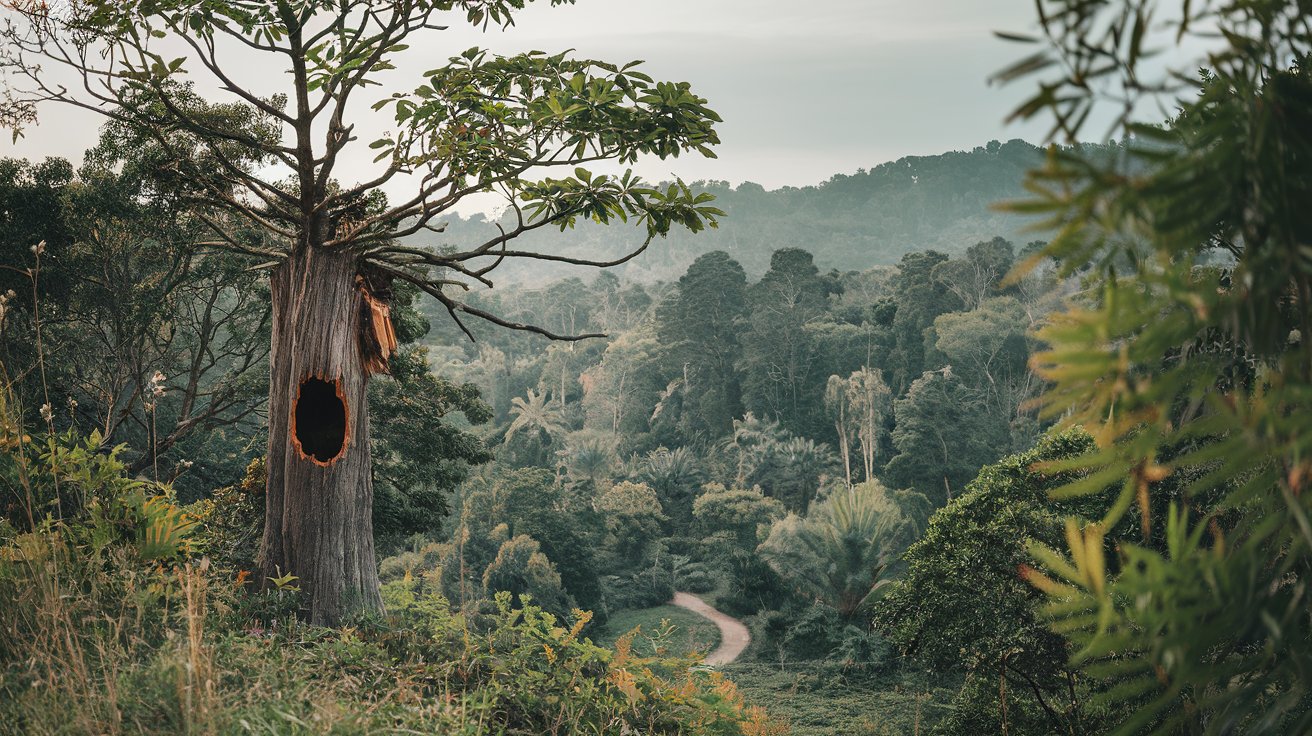
Loss of Biodiversity: Causes, Effects & Solutions in 2025
The loss of biodiversity represents one of the most pressing environmental crises facing our planet in 2025. This phenomenon occurs when ecosystems lose their variety of species, genetic diversity, and functional complexity at rates far exceeding natural extinction patterns. Understanding what biodiversity loss means for human survival, ecosystem stability, and global health systems is crucial for developing effective conservation strategies and sustainable solutions.
What Does Biodiversity Mean and Why It Matters
Biodiversity encompasses the incredible variety of life on Earth, including all living organisms from microscopic bacteria to complex ecosystems. This biological diversity exists at three fundamental levels: genetic diversity within species, species diversity within ecosystems, and ecosystem diversity across landscapes. The term represents the intricate web of relationships that sustain all life forms on our planet.
The importance of biodiversity for human life cannot be overstated. Healthy ecosystems provide essential services including clean air and water, climate regulation, pollination of crops, and natural pest control. These ecosystem services contribute an estimated $125 trillion annually to the global economy, highlighting how biodiversity affects human life in measurable ways. When we experience biodiversity loss, we lose these critical support systems that have sustained human civilization for millennia.
Major Causes of Biodiversity Loss in 2024-2025
The 5 major causes of biodiversity loss identified by leading scientists include habitat destruction, climate change, pollution, overexploitation, and invasive species. These drivers work synergistically, creating compound effects that accelerate species extinction rates. Current data from 2024 indicates that habitat loss remains the primary threat, affecting over 85% of species listed as threatened or endangered.
In the United States, habitat destruction through urban development and agriculture conversion eliminates approximately 2.2 million acres of wildlife habitat annually. Agricultural expansion alone accounts for 80% of global deforestation, while urban sprawl fragments remaining natural areas. These human-driven biodiversity loss factors have intensified dramatically since the industrial revolution, with current extinction rates running 1,000 to 10,000 times higher than natural background rates.
Climate Change as a Biodiversity Driver
Climate change emerges as an increasingly dominant force in biodiversity decline, with 2024 marking record-breaking temperature anomalies across US ecosystems. Rising temperatures alter precipitation patterns, shift growing seasons, and force species migrations beyond their adaptive capabilities. Coral bleaching events, mountain species moving to higher elevations, and polar habitat loss exemplify how climate change affects biodiversity at unprecedented scales.
Pollution and Chemical Contamination
Pollution represents a pervasive threat to biodiversity, with microplastics now detected in every major ecosystem on Earth. Pesticide use in American agriculture has increased 25-fold since 1960, contributing to pollinator decline and aquatic ecosystem degradation. Chemical runoff creates dead zones in coastal waters, while air pollution affects plant photosynthesis and animal respiratory systems, demonstrating how human activities cause biodiversity loss through multiple pathways.
Critical Effects of Biodiversity Loss on Ecosystems
The effects of loss of biodiversity cascade through ecosystems in complex and often irreversible ways. When keystone species disappear, entire food webs collapse, leading to secondary extinctions and ecosystem instability. Research from 2024 shows that ecosystems with reduced biodiversity are 50% less productive and 70% less stable when facing environmental stresses.
Ecosystem services become compromised as biodiversity loss effects accumulate over time. Pollination networks break down when native bee populations decline, affecting agricultural productivity and wild plant reproduction. Water purification systems fail when wetland biodiversity decreases, leading to increased flood risks and water quality problems. These biodiversity loss examples demonstrate the practical consequences of species extinction on human communities and natural systems.
How Biodiversity Loss Affects Human Health and Medicine
Health research and traditional medicine depend heavily on biodiversity, with over 40% of modern pharmaceuticals derived from natural compounds. The loss of medicinal plants and marine organisms eliminates potential cures for diseases before they can be discovered. Indigenous communities report losing traditional healing knowledge as local species disappear, representing irreplaceable cultural and medical heritage.
Infectious diseases increase in frequency and severity as biodiversity declines. Healthy ecosystems with high species diversity typically contain disease transmission by maintaining balanced predator-prey relationships. When biodiversity loss disrupts these natural controls, disease vectors like mosquitoes and ticks proliferate, increasing human exposure to malaria, Lyme disease, and emerging pathogens. The COVID-19 pandemic exemplifies how habitat destruction brings humans into contact with novel pathogens from wildlife reservoirs.
Mental Health and Psychological Impacts
The psychological effects of biodiversity loss on human communities manifest as eco-anxiety, depression, and loss of cultural identity. Studies from 2024 indicate that people living in areas with higher biodiversity show improved mental health outcomes, including reduced stress hormones and enhanced cognitive function. Urban green spaces with diverse plant and animal life provide measurable mental health benefits, while degraded environments correlate with increased psychological distress.
Nutritional Security and Food Systems
Sustainable, healthy food systems require diverse crop varieties, pollinators, and soil organisms to maintain productivity and resilience. Agricultural biodiversity has declined by 75% since 1900, leaving food systems vulnerable to pests, diseases, and climate shocks. The loss of heirloom varieties and wild crop relatives eliminates genetic resources needed for developing climate-adapted and disease-resistant crops, threatening long-term food security for growing human populations.
Economic Consequences of Biodiversity Decline
The economic effects of loss of biodiversity extend far beyond environmental concerns, impacting industries worth trillions of dollars globally. Tourism, fishing, forestry, and agriculture sectors face declining revenues as natural resources become scarce or degraded. In the United States, pollinator decline alone threatens $15 billion in agricultural production annually, while degraded fisheries cost the economy an estimated $2.8 billion in lost revenue.
Insurance companies increasingly recognize biodiversity loss as a systemic risk comparable to climate change, incorporating ecosystem health into risk assessment models. Infrastructure costs rise as natural flood control, water purification, and soil stabilization services provided by healthy ecosystems disappear. These hidden costs of biodiversity loss often exceed the apparent savings from short-term resource exploitation, creating long-term economic instability.
Proven Solutions and Conservation Strategies
Effective loss of biodiversity solutions require coordinated action at local, national, and international levels. Protected area expansion represents a cornerstone strategy, with the global 30×30 initiative aiming to conserve 30% of land and ocean areas by 2030. Habitat restoration programs show remarkable success, with reforestation efforts in the eastern United States recovering over 60 million acres of forest habitat since 1990.
Innovative conservation approaches include wildlife corridors connecting fragmented habitats, urban biodiversity initiatives creating green infrastructure, and community-based conservation programs empowering local stakeholders. Technology solutions such as genetic rescue techniques, seed banking, and species reintroduction programs provide tools for reversing biodiversity loss in critically endangered populations. These comprehensive strategies demonstrate that with adequate resources and political will, biodiversity loss can be slowed and potentially reversed.
Policy and Legislative Frameworks
Strong policy frameworks provide essential foundations for biodiversity conservation. The US Endangered Species Act has prevented extinctions of over 90% of listed species, while state-level legislation creates additional protections for regional biodiversity. International agreements like the Convention on Biological Diversity establish global targets and funding mechanisms for conservation efforts, though implementation remains inconsistent across nations.
Individual and Community Actions
Individual contributions to addressing loss of biodiversity include supporting sustainable products, creating wildlife-friendly gardens, and participating in citizen science projects. Community initiatives such as native plant societies, habitat restoration volunteers, and local conservation groups amplify individual efforts. Consumer choices favoring biodiversity-friendly agriculture, sustainable seafood, and certified forest products create market incentives for conservation-minded businesses.
Future Outlook and Emerging Challenges
The trajectory of biodiversity loss in 2025 presents both unprecedented challenges and emerging opportunities for conservation. Artificial intelligence and machine learning technologies now enable real-time monitoring of species populations and ecosystem health across vast landscapes. Gene sequencing advances allow scientists to document and preserve genetic diversity before species disappear, while biotechnology offers tools for species recovery and ecosystem restoration.
However, accelerating climate change continues to outpace many conservation efforts, requiring adaptive management strategies that account for rapidly shifting environmental conditions. Urban population growth and increasing resource consumption in developing nations create additional pressures on remaining natural habitats. The success of future biodiversity conservation efforts depends on integrating traditional ecological knowledge with cutting-edge science while addressing the root causes of ecosystem degradation through systemic economic and social changes.
Related video about loss of biodiversity
This video complements the article information with a practical visual demonstration.
Everything you need to know about loss of biodiversity
What are the effects of loss of biodiversity on human health?
Biodiversity loss directly impacts human health by reducing access to natural medicines, increasing infectious disease risks, and compromising food security. Over 40% of modern pharmaceuticals come from natural sources, so species extinction eliminates potential medical discoveries. Degraded ecosystems also fail to control disease vectors like mosquitoes, leading to higher rates of malaria, dengue, and other vector-borne illnesses.
What are the 5 major causes of biodiversity loss?
The five primary drivers of biodiversity loss are habitat destruction (through deforestation and development), climate change (altering temperature and precipitation patterns), pollution (including pesticides and plastic waste), overexploitation (through overfishing and hunting), and invasive species (disrupting native ecosystems). These factors often work together, creating compound effects that accelerate species extinction rates beyond natural levels.
How does biodiversity affect human life economically?
Biodiversity provides ecosystem services worth approximately $125 trillion annually to the global economy. These services include crop pollination ($15 billion yearly in the US), water purification, climate regulation, and natural disaster protection. When biodiversity declines, these free services disappear, forcing communities to invest in expensive technological alternatives while facing reduced agricultural productivity and increased infrastructure costs.
What are the most effective solutions for preventing biodiversity loss?
The most successful biodiversity conservation strategies include expanding protected areas (30×30 global initiative), restoring degraded habitats, creating wildlife corridors, implementing sustainable agriculture practices, and strengthening environmental legislation. Technology solutions like genetic banking and species reintroduction programs complement traditional conservation approaches. Individual actions supporting sustainable products and participating in local conservation efforts also contribute significantly to preservation efforts.
How does climate change contribute to biodiversity loss?
Climate change accelerates biodiversity loss by altering temperature and precipitation patterns faster than species can adapt. Rising temperatures force species to migrate to new habitats or face extinction, while changing seasons disrupt breeding and migration cycles. Ocean acidification and coral bleaching exemplify how climate impacts destroy entire ecosystems, while extreme weather events increasingly overwhelm species’ adaptive capabilities.
What role does habitat destruction play in species extinction?
Habitat destruction represents the leading cause of biodiversity loss, affecting over 85% of threatened species globally. In the United States, approximately 2.2 million acres of wildlife habitat are lost annually to development and agriculture. This habitat loss fragments remaining natural areas, isolates species populations, and eliminates the resources species need for survival, breeding, and migration, leading directly to population decline and eventual extinction.
| Key Aspect | Important Details | Benefit |
|---|---|---|
| Protected Areas Expansion | 30×30 initiative targets 30% conservation by 2030 | Preserves critical habitats and migration routes |
| Habitat Restoration | 60M acres recovered in eastern US since 1990 | Rebuilds ecosystem services and species populations |
| Sustainable Agriculture | Reduces pesticide use and preserves soil biodiversity | Maintains pollinator populations and food security |
| Wildlife Corridors | Connect fragmented habitats across landscapes | Enables species migration and genetic exchange |
| Community Conservation | Local stakeholder engagement in protection efforts | Creates sustainable long-term conservation practices |