Bird Wing Anatomy Guide: Structure, Function & Types 2025
Understanding bird wing anatomy is essential for appreciating how these remarkable structures enable flight. Bird wings consist of complex arrangements of bones, muscles, feathers, and joints that work together to generate lift and provide maneuverability. This comprehensive guide explores the intricate details of avian wing structure, from the skeletal framework to the specialized flight feathers that make powered flight possible.
Bird Wing Anatomy Bones and Skeletal Structure
The skeletal foundation of bird wing anatomy bones provides the structural framework for flight. The wing skeleton consists of three main segments: the arm (humerus), forearm (radius and ulna), and hand (carpometacarpus and phalanges). These bones are remarkably lightweight yet strong, with many featuring hollow cavities filled with air sacs connected to the respiratory system. The humerus, the largest wing bone, connects to the shoulder girdle and houses powerful flight muscles that generate the primary power stroke during flight.
The forearm bones work in coordination to create the wing’s flexible joint system. The bird wing anatomy joints include the shoulder, elbow, wrist, and finger joints, each allowing specific ranges of motion crucial for different flight maneuvers. The carpometacarpus, formed by fused hand bones, provides attachment points for primary flight feathers and maintains wing rigidity during the power stroke. Recent 2024 studies show that modern birds have evolved increasingly efficient bone structures, with some species achieving bone density reductions of up to 30% compared to their prehistoric ancestors.
Flight Feathers and Wing Surface Anatomy
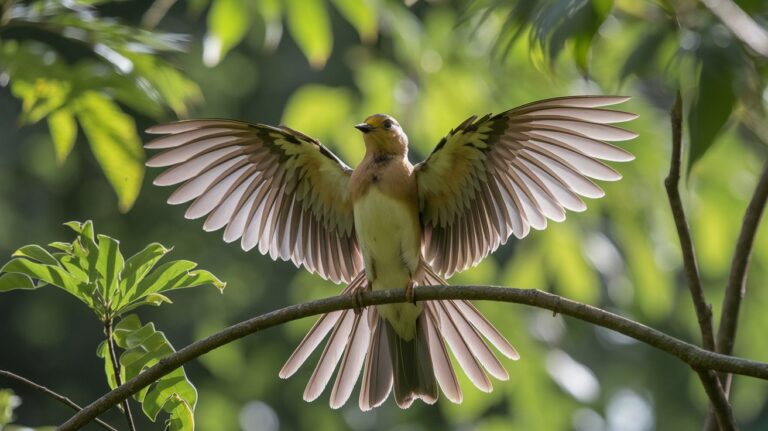
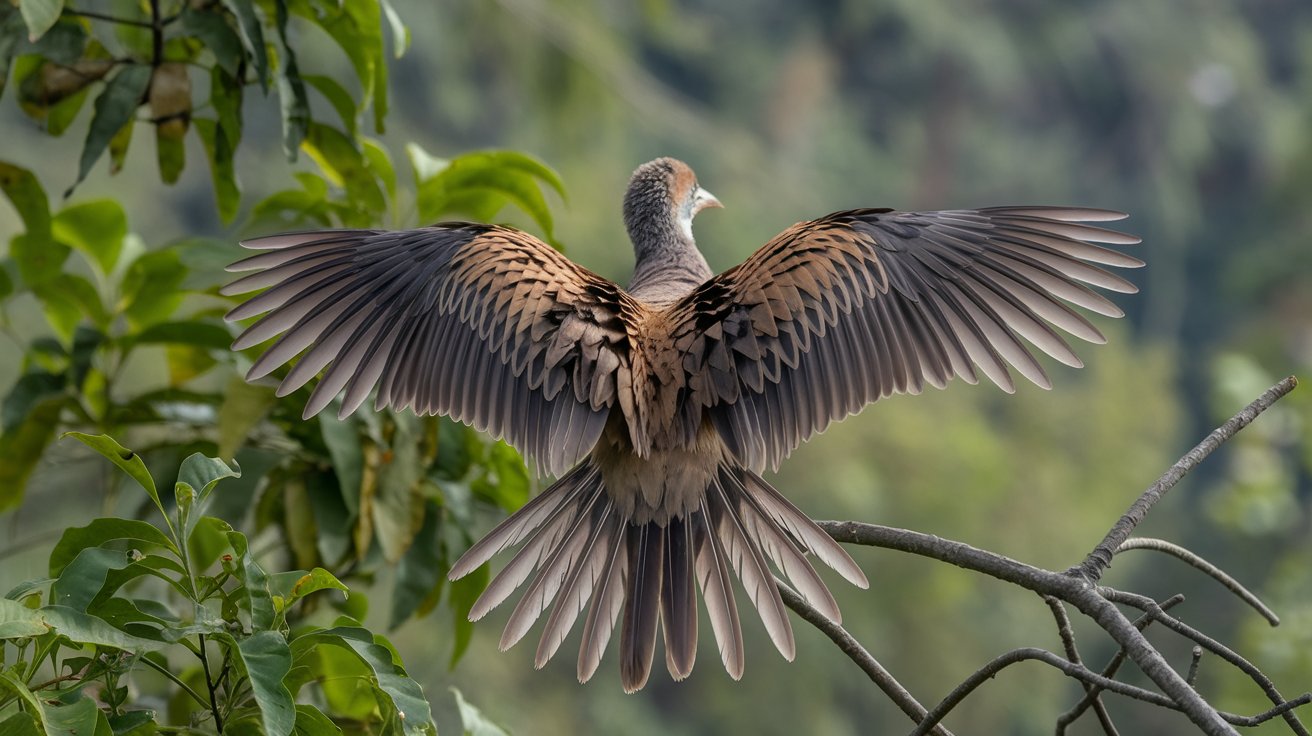
Bird wing anatomy feathers create the aerodynamic surfaces essential for flight. Flight feathers, or remiges, are divided into primary and secondary feathers, each serving specific aerodynamic functions. Primary feathers, attached to the hand bones, generate forward thrust and can be individually controlled for precise flight adjustments. Secondary feathers, connected to the forearm, provide lift and help maintain wing shape during various flight phases.
The arrangement of feathers on both the top and bottom wing surfaces creates the airfoil shape necessary for flight. Wing coverts, smaller feathers covering the wing surface, smooth airflow and reduce drag by filling gaps between flight feathers. The underside of a bird’s wing, called the ventral surface, features specialized covert feathers that help direct airflow and maintain laminar flow patterns crucial for efficient flight performance.
The Top Side of a Bird’s Wing Structure
The dorsal surface of the wing showcases the intricate arrangement of flight feathers and coverts. Wing coverts on the upper surface include greater, median, and lesser coverts, each layer contributing to the wing’s aerodynamic efficiency. These feathers create smooth contours that reduce air turbulence and maintain consistent lift generation across the wing span. The alula, or bastard wing, located at the wing’s leading edge, acts as a natural slat to prevent stalling during low-speed flight maneuvers.
The Underside of a Bird’s Wing Features
The ventral wing surface, or underwing, contains specialized feathers and anatomical features designed for flight control. What makes the underside unique is the presence of axillary feathers and underwing coverts that help seal gaps and maintain proper airflow. The wing’s underside also features the propatagium, a fold of skin between the body and leading edge that houses tendons and ligaments essential for wing extension and retraction during flight cycles.
Bird Wing Anatomy Muscles and Movement
The muscular system driving wing movement represents one of nature’s most efficient power sources. Bird wing anatomy muscles include the massive pectoralis major, which provides the downstroke power, and the supracoracoideus, which powers the upstroke through an ingenious pulley system. These muscles can comprise up to 35% of a bird’s total body weight in strong fliers like hummingbirds and raptors.
Wing muscles work in precise coordination to control not only the primary flight strokes but also subtle adjustments in wing shape and angle. Smaller intrinsic muscles within the wing control individual feather positions, allowing for fine-tuned aerodynamic adjustments. The latest 2025 research indicates that muscle fiber composition varies significantly among bird species, with sustained fliers having higher concentrations of fatigue-resistant slow-twitch fibers compared to burst fliers.
Types of Wings in Birds and Their Functions
Different types of wings in birds have evolved to match specific flight requirements and ecological niches. Wing shapes vary dramatically among species, from the long, narrow wings of albatrosses designed for dynamic soaring to the short, broad wings of forest birds optimized for quick maneuvers between trees. Understanding these variations helps explain how different species have adapted to their environments.
Elliptical wings, common in songbirds and forest dwellers, provide excellent maneuverability and quick acceleration. These wings feature rounded tips and moderate aspect ratios that allow for rapid takeoffs and tight turns necessary for navigating dense vegetation. High-speed wings, found in falcons and swifts, have swept-back profiles that reduce drag during high-velocity flight but require higher speeds for effective lift generation.
Elliptical Wings in Birds
What are elliptical wings in birds becomes clear when examining their rounded, broad shape that maximizes lift at low speeds. These wings typically have low aspect ratios and high wing loading, making them ideal for birds that need to maneuver quickly in cluttered environments. Species like robins, sparrows, and cardinals utilize elliptical wings for their stop-and-go flight patterns and ability to navigate through dense foliage with precision.
High Aspect Ratio Wings
Long, narrow wings with high aspect ratios excel in soaring and gliding flight. Birds like albatrosses and frigatebirds use these wing designs to harness wind energy efficiently, allowing them to cover vast oceanic distances with minimal energy expenditure. The high aspect ratio reduces induced drag and enables dynamic soaring techniques that extract energy from wind gradients over ocean surfaces.
Bird Wing Structure and Function in Flight
Bird wing structure and function work together to create one of nature’s most efficient flying machines. The wing’s cambered airfoil shape generates lift through differential air pressure, while the flexible structure allows for continuous adjustments during flight. Wing twist, where the angle of attack varies from root to tip, helps maintain efficient lift distribution across the entire wing span.
The integration of skeletal, muscular, and feather systems enables complex flight behaviors. Wing morphing capabilities allow birds to optimize their wing configuration for different flight phases, from takeoff through cruising to landing. Recent aerodynamic studies from 2024 show that birds achieve lift coefficients up to 40% higher than conventional aircraft wings through their ability to dynamically adjust wing camber and twist.
Wing Injuries and Healing in Birds
Understanding how to identify and address wing injuries is crucial for bird rehabilitation and conservation efforts. Wing injuries can affect bones, muscles, or feathers, each requiring different treatment approaches. Fractures in wing bones are among the most serious injuries, often requiring immediate veterinary intervention to prevent permanent flight disability.
Signs that indicate a bird hurts its wing include asymmetrical wing positioning, inability to fold the wing properly against the body, drooping wing tips, or visible deformities. Soft tissue injuries may show swelling, bleeding, or abnormal feather positioning. Professional rehabilitation centers report that early intervention significantly improves recovery outcomes, with success rates exceeding 75% for properly treated wing injuries when addressed within 24-48 hours of occurrence.
How to Tell if a Bird Hurts Its Wing
Observable symptoms help determine if a bird has sustained wing damage. Key indicators include the bird holding one wing lower than the other, inability to lift or extend the wing fully, visible bleeding or swelling, and reluctance to fly when approached. Behavioral changes such as remaining grounded when other birds take flight or showing difficulty maintaining balance while perched also suggest potential wing injury requiring professional evaluation.
How to Heal a Bird’s Injured Wing
Proper treatment of injured bird wings requires professional veterinary care in most cases. Initial first aid involves gently restraining the bird in a dark, quiet container and avoiding attempts to manipulate the wing. Licensed wildlife rehabilitators use techniques including wing wrapping, surgical repair for fractures, and controlled exercise programs during recovery. Healing timeframes vary from 2-6 weeks depending on injury severity, with feather damage typically resolving during the next molt cycle.
Comparative Wing Anatomy Across Bird Species
Wing anatomy variations across different bird species reflect millions of years of evolutionary adaptation to specific ecological niches. Hummingbirds possess unique ball-and-socket shoulder joints that allow 180-degree wing rotation, enabling their distinctive hovering flight. In contrast, soaring birds like eagles have proportionally larger wing surfaces with specialized feather arrangements that maximize lift from thermal currents.
Flightless birds present interesting cases where wing anatomy has evolved for non-flight functions. Penguin wings have become highly modified flippers optimized for underwater propulsion, while ostrich wings serve primarily for balance and display purposes. These variations demonstrate the remarkable plasticity of avian wing anatomy in response to environmental pressures and behavioral requirements across different species and habitats.
Related video about bird wing anatomy
This video complements the article information with a practical visual demonstration.
Important things to know about bird wing anatomy
What are the main bones in bird wing anatomy?
Bird wing anatomy includes three primary bone segments: the humerus (upper arm), radius and ulna (forearm), and carpometacarpus with phalanges (hand bones). These lightweight, hollow bones provide structural support while minimizing weight for flight efficiency. The bones connect through flexible joints that enable the complex wing movements necessary for powered flight.
How do bird wing muscles work during flight?
Bird wing muscles operate through a sophisticated system where the pectoralis major powers the downstroke and the supracoracoideus controls the upstroke via a pulley mechanism. These flight muscles can comprise up to 35% of body weight in strong fliers, working in precise coordination to generate thrust, lift, and flight control adjustments throughout the wing beat cycle.
What makes elliptical wings different from other wing types?
Elliptical wings feature rounded tips and moderate aspect ratios that provide excellent maneuverability and quick acceleration at low speeds. Common in songbirds and forest dwellers, these wings allow rapid takeoffs, tight turns, and efficient navigation through dense vegetation, making them ideal for birds requiring agile flight in cluttered environments.
How can you identify if a bird has an injured wing?
Signs of wing injury include asymmetrical wing positioning, inability to fold wings properly, drooping wing tips, visible deformities or bleeding, and reluctance to fly. Injured birds often remain grounded when others take flight, show difficulty balancing while perched, and may hold one wing lower than the other, indicating potential damage requiring professional care.
What is the difference between primary and secondary flight feathers?
Primary flight feathers attach to the hand bones and generate forward thrust while providing precise flight control through individual positioning. Secondary feathers connect to the forearm bones and primarily generate lift while maintaining wing shape during flight. Together, these specialized feathers create the aerodynamic surfaces essential for powered flight in birds.
How do bird wings compare to bat wings anatomically?
Bird wings feature feathers attached to fused hand bones (carpometacarpus), while bat wings consist of stretched skin membranes supported by elongated finger bones. Bird wings provide better lift efficiency and maneuverability through feather control, whereas bat wings offer greater flexibility and can be folded more compactly, representing two distinct evolutionary solutions for powered flight.
| Wing Component | Primary Function | Flight Advantage |
|---|---|---|
| Bones (Humerus, Radius, Ulna) | Structural framework and muscle attachment | Lightweight strength for efficient flight |
| Flight Muscles (Pectoralis, Supracoracoideus) | Power generation for wing strokes | Controlled thrust and lift production |
| Primary Flight Feathers | Thrust generation and flight control | Precise maneuverability and propulsion |
| Secondary Flight Feathers | Lift generation and wing shaping | Sustained flight and aerodynamic efficiency |
| Wing Joints (Shoulder, Elbow, Wrist) | Flexible movement and wing positioning | Adaptive flight responses and control |