Bird Feather Identification: Complete Guide for USA Species
Bird feather identification can unlock fascinating insights about local wildlife, but distinguishing between species requires understanding feather anatomy and key visual characteristics. This comprehensive guide covers essential techniques for identifying feathers from common North American birds, helping nature enthusiasts recognize bird species through detailed feather analysis and comparison methods.
Essential Steps for Bird Feather Identification
Successful feather identification begins with systematic observation and analysis. Start by examining the feather’s overall size, shape, and color patterns before moving to specific details like barb structure and markings. Professional ornithologists recommend photographing found feathers from multiple angles to compare against reference materials later.
The most effective identification process involves documenting the discovery location, surrounding habitat, and seasonal timing. These environmental factors significantly narrow down potential bird species, as different birds inhabit specific regions and migrate through areas during particular seasons throughout the United States.
Understanding Feather Anatomy for Identification
Every feather contains distinct anatomical features that aid in species identification. The central shaft, called the rachis, connects to barbs that branch into smaller barbules. These microscopic structures determine feather texture and appearance, with flight feathers showing different patterns than body feathers from the same bird.
Color Pattern Analysis Techniques
Color analysis requires examining both obvious and subtle markings that distinguish similar species. Look for distinctive patterns like bands, spots, or gradual color transitions that appear consistent across the feather surface. Many North American birds display seasonal color variations, so consider the time of year when the feather was discovered.
Four Main Types of Bird Feathers
Understanding the four primary feather types dramatically improves identification accuracy and helps determine which part of the bird the feather originated from. Each feather type serves specific functions and displays characteristic shapes, sizes, and structural features unique to their purpose.
Flight feathers, contour feathers, down feathers, and semiplume feathers each exhibit distinct characteristics that experienced birders use for precise identification. Recognizing these differences enables more accurate species determination and provides insights into the bird’s size, flight capabilities, and overall appearance.
Flight Feathers: Primary and Secondary Identification
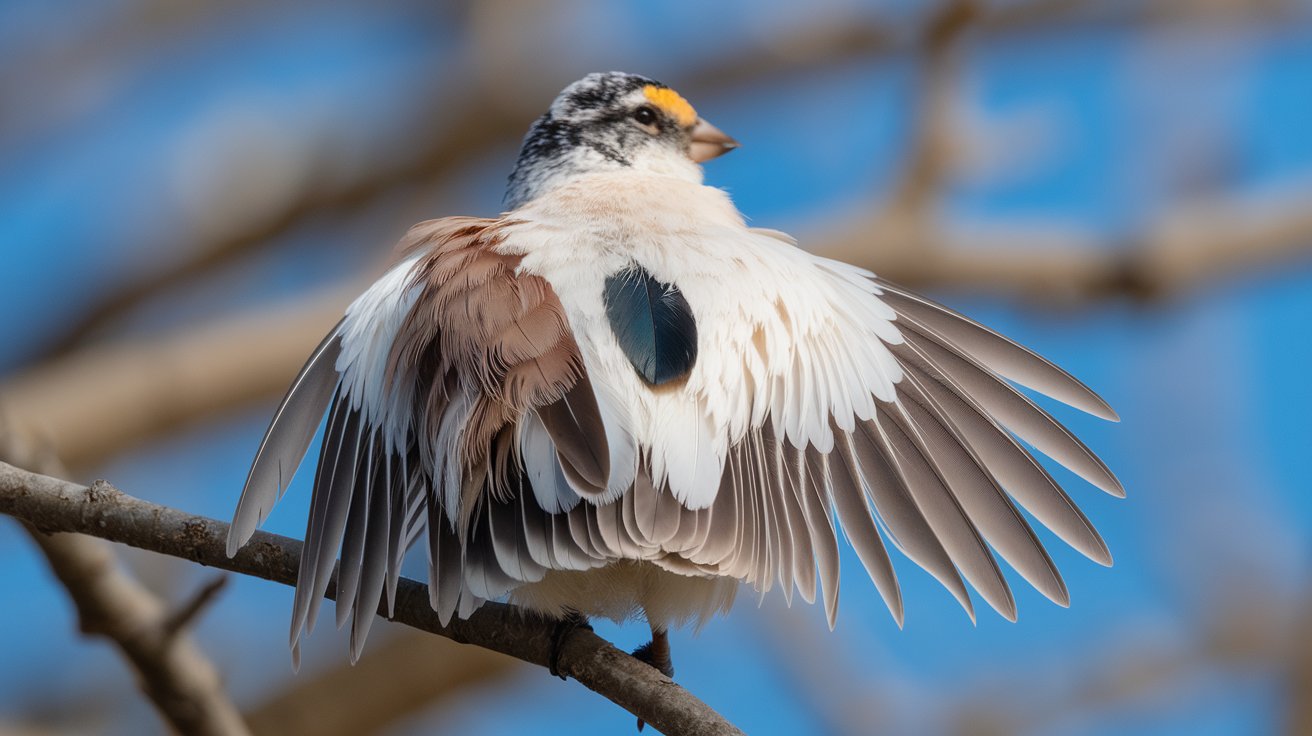
Flight feathers are the largest, most structured feathers found on bird wings and tails. Primary flight feathers show asymmetrical vane widths, with the leading edge narrower than the trailing edge to optimize aerodynamic efficiency. These feathers often display the most distinctive color patterns and markings used for species identification.
Contour Feathers: Body Shape and Protection
Contour feathers form the outer layer covering a bird’s body and provide the distinctive silhouette shape we associate with different species. These feathers typically show more uniform coloration than flight feathers but may contain subtle patterns or iridescence that helps distinguish between closely related species.
Down and Semiplume Feathers
Down feathers appear fluffy and lack the structured barbule connections found in other feather types. These insulating feathers rarely help with species identification but indicate the feather came from the bird’s undercoat. Semiplumes combine characteristics of both down and contour feathers, serving intermediate functions.
Common North American Bird Feather Identification
Identifying feathers from common North American species requires familiarity with distinctive characteristics of frequently encountered birds. Regional variations exist across the United States, but certain species maintain consistent feather patterns that make identification more straightforward for beginners and experienced birders alike.
The following species represent some of the most commonly found feathers in suburban and rural areas across America, each displaying unique identifying features that distinguish them from similar-looking birds in their respective habitats and ranges.
Cardinal Feather Identification
Northern Cardinal feathers display brilliant red coloration in males, while female cardinal feathers show warm brown tones with reddish tinges. Cardinal flight feathers measure 3-4 inches in length and exhibit slight curvature with rounded tips, distinguishing them from other red-colored birds like scarlet tanagers.
Blue Jay Feather Characteristics
Blue Jay feathers showcase distinctive blue and white barring patterns, particularly visible on wing feathers. The blue coloration results from light scattering rather than pigments, so these feathers may appear different colors under various lighting conditions. Flight feathers typically measure 4-5 inches with pronounced black barring.
Robin and Blackbird Feather Differences
American Robin feathers range from rust-orange breast colors to dark gray-brown back feathers, while various blackbird species display deep black coloration with occasional iridescent sheens. Robin flight feathers measure 3-4 inches, smaller than most blackbird species, helping distinguish between these common yard birds.
Raptor Feather Identification Guide
Hawk and owl feathers require special attention due to legal protections under the Migratory Bird Treaty Act. These powerful predators display distinctive feather characteristics including robust construction, specialized flight adaptations, and unique color patterns that reflect their hunting strategies and habitat preferences.
Raptor feathers often show distinctive banding patterns and specialized structures for silent flight in owls or high-speed maneuverability in hawks. Understanding these differences helps identify species while respecting federal wildlife protection laws that regulate possession of raptor feathers.
Hawk Feather Identification Features
Hawk feathers display bold banding patterns with alternating light and dark stripes across flight feathers. Red-tailed Hawks show distinctive rust-colored tail feathers with dark terminal bands, while Sharp-shinned Hawks exhibit more subtle gray and white barring. Most hawk feathers measure 6-12 inches depending on the species.
Owl Feather Specialized Characteristics
Owl feathers feature soft, fringed edges that enable silent flight during nighttime hunting. Great Horned Owl feathers show brown and buff mottled patterns, while Barred Owl feathers display distinctive brown and white striping. The specialized barbule structure creates the characteristic fluffy appearance unique to owl species.
Digital Tools and Apps for Feather Identification
Modern technology provides numerous feather identification apps and digital resources that enhance traditional identification methods. These tools combine artificial intelligence with extensive databases of feather photographs to help users identify species through image comparison and automated analysis features.
The most effective identification apps allow users to input multiple characteristics including size, color, pattern, and geographic location to narrow down potential matches. Popular apps like Merlin Bird ID and eBird provide comprehensive databases with thousands of feather images from verified sources across North America.
Free Feather Identification Resources
Free identification resources include the Cornell Lab of Ornithology’s online guides, Audubon Society field guides, and university extension programs. These resources provide detailed photographs, measurement guides, and seasonal information for common North American bird species without requiring app downloads or subscriptions.
Professional Identification Services
For challenging identifications, professional ornithologists and museum specialists offer expert consultation services. Many natural history museums provide feather identification assistance, particularly valuable for unusual finds or legally sensitive specimens that require professional verification and documentation.
Legal Considerations and Ethical Feather Collecting
The Migratory Bird Treaty Act protects most North American bird species, making possession of their feathers illegal without proper permits. This federal law applies to native species including songbirds, raptors, waterfowl, and shorebirds, with violations carrying significant penalties and fines up to $15,000 in 2024.
Ethical feather study involves photographing and documenting finds without removing them from natural settings. Legal alternatives include studying feathers from domestic birds, legally sourced educational materials, or visiting natural history museums with properly curated collections available for research and education purposes.
Related video about bird feather identification
This video complements the article information with a practical visual demonstration.
What you should know
How can I identify a feather I found?
Start by examining the feather’s size, shape, color patterns, and anatomical features like barb structure. Document the location where you found it and compare these characteristics against field guides or identification apps. Consider the habitat type and season, as these factors help narrow down potential bird species in your area.
Should you pick up a feather you find?
It’s illegal to collect or possess feathers from most native North American birds under the Migratory Bird Treaty Act. Instead, photograph the feather for identification purposes and leave it where you found it. Only feathers from non-native species, domestic birds, or legally obtained specimens can be legally collected.
What are the four types of feathers?
The four main feather types are flight feathers (wing and tail feathers for flying), contour feathers (outer body covering that creates shape), down feathers (fluffy insulating undercoat), and semiplume feathers (intermediate between down and contour feathers). Each type serves specific functions and shows distinct structural characteristics.
Why is it illegal to keep bird remains?
The Migratory Bird Treaty Act protects native birds by prohibiting possession of their parts, including feathers, without permits. This law prevents commercial exploitation and ensures bird populations remain stable. Violations can result in fines up to $15,000 and criminal charges, as enforcement helps preserve North American bird species for future generations.
Are there free apps for feather identification?
Yes, several free apps help with feather identification including Merlin Bird ID by Cornell Lab, eBird, and various Audubon Society apps. These tools use photo comparison, geographic data, and species databases to assist with identification. Many also provide detailed information about bird behavior, habitat, and seasonal patterns.
How accurate are feather identification apps?
Modern feather identification apps achieve 70-85% accuracy rates for common North American species when provided with clear photos and location data. Accuracy improves significantly when users input multiple feather characteristics and environmental factors. However, professional consultation may be necessary for rare species or challenging identifications.
| Identification Method | Key Features to Examine | Success Rate |
|---|---|---|
| Visual Analysis | Size, color, patterns, anatomy | 75-90% for common species |
| Digital Apps | Photo comparison, location data | 70-85% accuracy rate |
| Professional Consultation | Expert analysis, microscopic features | 95-99% accuracy rate |
| Field Guides | Detailed illustrations, measurements | 80-90% with experience |