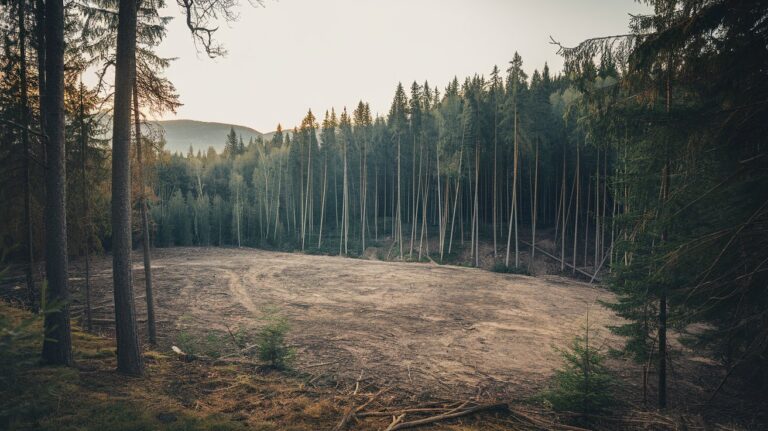
What Are Natural Resources: Complete Guide with Examples 2025
Natural resources are materials and substances that occur naturally in the environment and can be used by humans for economic production or consumption. These essential elements, ranging from oil and minerals to forests and water, form the foundation of modern civilization and economic systems. Understanding what are natural resources is crucial for sustainable development, environmental conservation, and economic planning in the United States and globally.
Definition and Characteristics of Natural Resources
Natural resources are defined as materials, energy sources, and other assets that exist in nature without human intervention and can be utilized for economic purposes. The official definition of natural resources according to the U.S. Geological Survey includes any naturally occurring substance that is considered valuable in its relatively unmodified natural form. These resources possess specific characteristics that make them valuable to human society.
The key characteristics of natural resources include their natural occurrence, economic value, and potential for human utilization. They exist independently of human activity but become resources only when society recognizes their utility and develops technology to extract and use them. In 2024, the United States maintains approximately 6% of global oil reserves, 13% of natural gas reserves, and leads in renewable energy potential with over 2,800 GW of technical wind energy capacity.
Natural Occurrence and Formation
Natural resources form through geological, biological, and atmospheric processes over extended periods. Fossil fuels develop from ancient organic matter under specific pressure and temperature conditions over millions of years. Renewable resources like solar energy, wind, and biomass regenerate through natural cycles, while mineral deposits form through complex geological processes including volcanic activity, sedimentation, and metamorphism.
Economic Value and Utility
The economic significance of natural resources stems from their scarcity, demand, and difficulty of extraction or harvesting. In 2024, the U.S. natural resources sector contributed approximately $2.8 trillion to the GDP, representing about 13% of total economic output. Resources gain economic value when they become inputs for production processes, energy generation, or direct consumption by society.
Types of Natural Resources
Understanding the 4 types of natural resources is essential for effective resource management and policy development. These categories help scientists, policymakers, and educators classify resources based on their availability, regeneration capacity, and sustainability characteristics. Each type presents unique challenges and opportunities for conservation and utilization.
Renewable Natural Resources
Renewable natural resources can be replenished naturally within human timescales through biological reproduction or natural cycles. These include solar energy, wind power, hydroelectric energy, biomass, forests, and fisheries. The United States generated approximately 21% of its electricity from renewable sources in 2024, with wind and solar accounting for 14% of total electricity generation. Proper management ensures these resources remain available for future generations.
Non-Renewable Natural Resources
Non-renewable natural resources exist in finite quantities and cannot be replaced once consumed within human timescales. These include fossil fuels like coal, oil, and natural gas, as well as metallic minerals such as iron, copper, and gold. The United States possesses significant non-renewable resources, including the world’s largest recoverable coal reserves at approximately 252 billion tons as of 2024.
Examples of Natural Resources in the United States
The United States is blessed with abundant and diverse natural resources examples that have fueled economic growth and development since colonial times. From the vast petroleum reserves in Texas and Alaska to the extensive forests of the Pacific Northwest, America’s natural wealth spans every category of resources. Understanding specific examples helps illustrate the practical importance of these materials in daily life.
What are 20 natural resources found in the United States includes petroleum, natural gas, coal, iron ore, copper, gold, silver, uranium, timber, water, fertile soil, fish, wildlife, sand, gravel, limestone, salt, phosphate rock, sulfur, and geothermal energy. These resources support industries ranging from energy production and manufacturing to agriculture and construction, generating millions of jobs and trillions of dollars in economic value annually.
Energy Resources
Energy natural resources power American homes, businesses, and transportation systems. The United States leads global oil production with approximately 11.9 million barrels per day in 2024. Natural gas production reached record levels at over 100 billion cubic feet per day. Renewable energy sources are rapidly expanding, with solar capacity growing by 32% and wind capacity by 12% in 2024.
Mineral and Metal Resources
America’s mineral wealth includes significant deposits of iron ore in Minnesota and Michigan, copper in Arizona and Utah, and gold in Nevada and Alaska. The country produces approximately 210 million tons of mineral resources annually. Rare earth elements, critical for modern electronics and renewable energy technology, are increasingly important, with domestic production initiatives launched in 2024 to reduce dependence on imports.
Why Natural Resources Are Important
Why are natural resources important extends far beyond simple economic value to encompass environmental health, national security, and quality of life. These resources form the foundation of all human activities, from basic survival needs like food and shelter to complex technological systems that define modern civilization. The importance becomes evident when examining their role in economic development, environmental sustainability, and social well-being.
The 10 uses of natural resources in American society include energy production for electricity and transportation, raw materials for manufacturing and construction, water for drinking and irrigation, fertile soil for agriculture, forests for paper and lumber, minerals for electronics and infrastructure, fish and wildlife for food and recreation, scenic areas for tourism, medicinal plants for pharmaceuticals, and climate regulation through natural ecosystems. These diverse applications demonstrate the interconnected nature of resource dependency in modern society.
Natural Resource Management in the United States
Natural resource management involves the sustainable use, conservation, and protection of natural resources to meet current needs while preserving them for future generations. The United States employs comprehensive management strategies through federal agencies, state governments, and private organizations. Effective management balances economic development with environmental protection and social equity.
Federal agencies like the U.S. Forest Service, Bureau of Land Management, and Environmental Protection Agency oversee approximately 640 million acres of public lands. In 2024, the federal government allocated $15.2 billion for natural resource conservation programs. Natural resource management strategies include sustainable harvesting practices, ecosystem restoration, pollution control, and renewable energy development to ensure long-term resource availability.
Conservation Strategies
Modern conservation approaches focus on ecosystem-based management, recognizing the interconnected nature of natural resources. The United States has established over 400 national park units covering 84 million acres. Conservation strategies include habitat protection, species recovery programs, sustainable forestry practices, and marine protected areas. Private conservation efforts through land trusts have protected an additional 56 million acres nationwide.
Sustainable Development Practices
Sustainable development integrates economic growth with environmental protection and social responsibility. The concept ensures that natural resource utilization meets present needs without compromising future generations’ ability to meet their own needs. American industries increasingly adopt circular economy principles, reducing waste and maximizing resource efficiency through recycling, reuse, and renewable energy adoption.
Natural Resources Education for Students
Teaching what are natural resources for kids builds environmental awareness and stewardship from an early age. Educational curricula across the United States incorporate natural resource topics at all grade levels, from elementary concepts about renewable versus non-renewable resources to advanced high school studies of ecosystem dynamics and resource economics. Understanding these concepts prepares students for careers in environmental science, resource management, and sustainable development.
What are natural resources Class 8 curricula typically cover resource classification, distribution patterns, conservation methods, and human impact on resource availability. Students learn through hands-on activities, field trips, and laboratory experiments that demonstrate resource formation, extraction processes, and environmental consequences. Interactive learning tools and digital resources enhance understanding of complex resource systems and management challenges.
Related video about what are natural resources
This video complements the article information with a practical visual demonstration.
Key Questions and Answers
What are the natural resources?
Natural resources are materials and energy sources that occur naturally in the environment and can be used for economic purposes. They include renewable resources like solar energy, wind, and forests, as well as non-renewable resources like oil, coal, and minerals. The United States possesses abundant natural resources including petroleum, natural gas, timber, fertile soil, and various minerals that support economic development and daily life.
What are 5 examples of natural resources?
Five common examples of natural resources include: petroleum (used for gasoline and plastics), natural gas (for heating and electricity), timber (for construction and paper), iron ore (for steel production), and freshwater (for drinking and irrigation). These resources are essential for modern life and economic activities, with the United States being a major producer of all five categories.
What is the official definition of natural resources?
According to the U.S. Geological Survey, natural resources are officially defined as naturally occurring substances that are considered valuable in their relatively unmodified natural form. This definition encompasses materials, energy sources, and environmental services that exist in nature without human intervention but can be utilized for economic production, consumption, or environmental benefits.
What are natural resources for class 4?
For elementary students, natural resources are things that come from nature that people use to live and make things they need. Examples include water for drinking, trees for paper and houses, soil for growing food, rocks and metals for building, and sun and wind for energy. These resources are gifts from nature that help people survive and create the things they use every day.
What are the 4 types of natural resources?
The four main types of natural resources are: renewable resources (like solar energy, wind, and forests that can be replenished), non-renewable resources (like oil, coal, and minerals that cannot be replaced), flow resources (like wind and water that must be used as they occur), and stock resources (like fossil fuels that can be stored and used when needed). Each type requires different management strategies for sustainable use.
Why are natural resources important?
Natural resources are crucial because they provide the foundation for all human activities and economic systems. They supply energy for homes and transportation, materials for construction and manufacturing, food through agriculture and fishing, and water for survival. In the United States, natural resources contribute approximately $2.8 trillion to the GDP and support millions of jobs while maintaining ecosystem services essential for environmental health.
| Resource Type | Key Characteristics | US Economic Impact |
|---|---|---|
| Renewable Resources | Naturally replenished, sustainable with proper management | 21% of electricity generation, growing 15% annually |
| Non-Renewable Resources | Finite quantities, formed over geological time | $1.8 trillion annual contribution to GDP |
| Water Resources | Essential for life, renewable through hydrologic cycle | Supports $2.4 trillion in economic activity |
| Mineral Resources | Concentrated deposits, varying scarcity levels | 210 million tons produced annually, $85 billion value |