Types of Bird Feeders: Complete Guide for US Backyard Birds
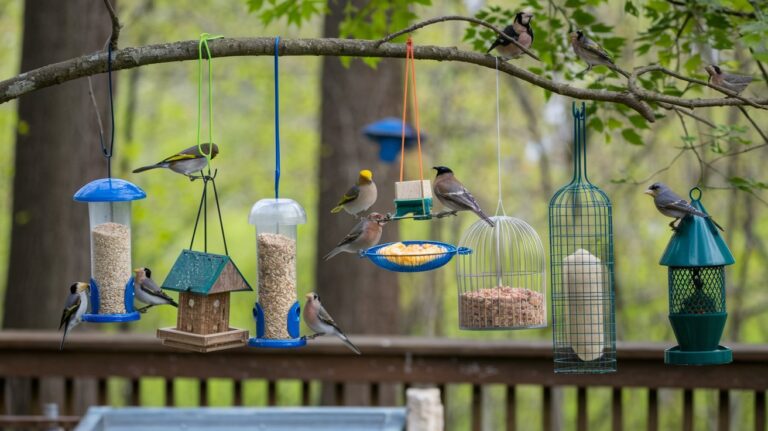
Understanding the types of bird feeders available helps you attract diverse bird species to your backyard. From tube feeders perfect for small songbirds to platform feeders ideal for ground-feeding species, choosing the right feeder design significantly impacts which birds visit your yard and how successfully you can observe and support local wildlife populations.
What Are the Different Types of Bird Feeders?
Bird enthusiasts can choose from numerous feeder designs, each engineered to attract specific bird species and accommodate different feeding behaviors. The most common categories include tube feeders, hopper feeders, platform feeders, suet feeders, nyjer feeders, and specialty designs. According to the 2024 National Bird Feeding Survey, American households spend over $4.2 billion annually on bird feeding supplies, with feeder selection being the primary factor in attracting desired species.
Modern bird feeders incorporate advanced materials and designs that resist weather damage, deter squirrels, and provide easy cleaning access. Steel construction, UV-resistant plastics, and antimicrobial coatings have become standard features in premium feeders, extending product lifespan and maintaining bird health through cleaner feeding environments.
Tube Bird Feeders
Tube bird feeders feature cylindrical designs with multiple feeding ports, making them ideal for small to medium songbirds like finches, chickadees, and nuthatches. These feeders typically hold 2-6 pounds of seed and include perches positioned below each feeding port. Premium models feature metal construction with drainage holes and easy-fill tops, while budget versions use clear plastic tubes that allow seed level monitoring.
Hopper Bird Feeders
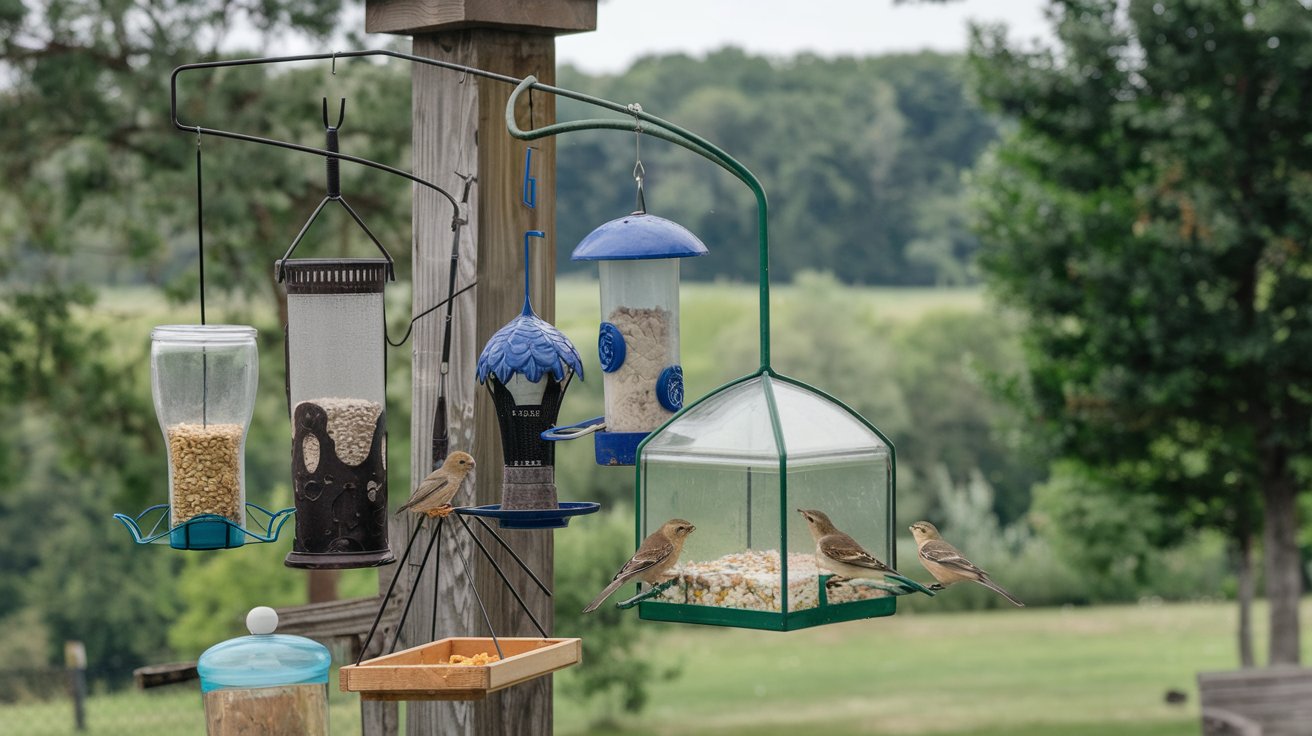
Hopper bird feeders resemble small houses with seed storage compartments that dispense food through bottom openings onto feeding trays. These versatile feeders accommodate various seed types and attract diverse species including cardinals, blue jays, and woodpeckers. Many hopper designs include adjustable weight-activated mechanisms that close feeding ports when heavy birds or squirrels attempt access, preserving seed for intended species.
Types of Bird Feeders for Large Birds
Large bird species require specialized feeders with reinforced construction, wider perches, and increased seed capacity. Platform feeders, jumbo tube feeders, and ground feeding stations effectively serve species like blue jays, cardinals, grackles, and woodpeckers. These feeders typically feature steel frames, extended perch lengths, and seed capacity exceeding 4 pounds to accommodate frequent feeding by larger, more aggressive species.
Weight-activated feeders for large birds include adjustable closing mechanisms calibrated for different bird weights, allowing homeowners to customize access based on desired species. Advanced models feature programming options that close feeding ports when birds exceeding specific weights attempt access, effectively managing feeding for mixed bird populations while preventing waste from aggressive feeding behaviors.
Platform Bird Feeders
Platform bird feeders provide open, flat feeding surfaces that accommodate ground-feeding species and birds uncomfortable with enclosed feeding environments. These feeders attract mourning doves, juncos, sparrows, and Cardinals while offering versatility for different seed types, suet cakes, and fruit offerings. Modern platform designs include drainage systems, removable screening, and adjustable roof heights for weather protection.
Elevated platform feeders mounted on poles or hung from branches keep food accessible while providing protection from ground predators. Many designs feature adjustable heights and modular components allowing customization for specific bird preferences and yard configurations. Professional wildlife managers recommend platform feeders as essential components in comprehensive bird feeding programs targeting maximum species diversity.
Ground Platform Feeders
Ground platform feeders sit directly on soil or grass surfaces, mimicking natural foraging conditions for species like towhees, sparrows, and thrushes. These feeders require frequent cleaning and seed rotation to prevent spoilage and disease transmission. Elevated mesh designs allow drainage while keeping seed elevated above ground moisture, extending food freshness and reducing contamination risks.
Hanging Platform Feeders
Hanging platform feeders suspend from chains or cables, providing stable feeding surfaces while deterring ground predators and reducing pest access. These designs typically include perimeter railings to prevent seed spillage and may feature adjustable hanging heights to accommodate different bird species preferences. Premium models include counter-weighted systems that maintain level feeding surfaces despite varying bird loads.
Specialized Feeder Types
Specialized bird feeders target specific species through unique designs, seed types, or feeding mechanisms. Nyjer feeders with tiny ports accommodate finches, while suet feeders provide high-energy food for woodpeckers and nuthatches. Hummingbird feeders dispense nectar solutions, and fruit feeders attract orioles and mockingbirds with orange halves and grape jelly offerings.
Specialty feeders often incorporate species-specific features like cling-mesh construction for woodpeckers, weighted perches for small birds, or inverted designs that challenge feeding behaviors. These feeders typically cost 20-40% more than standard designs but provide targeted attraction for specific species, making them valuable additions for serious bird watchers seeking to attract particular species to their feeding stations.
Suet Feeders
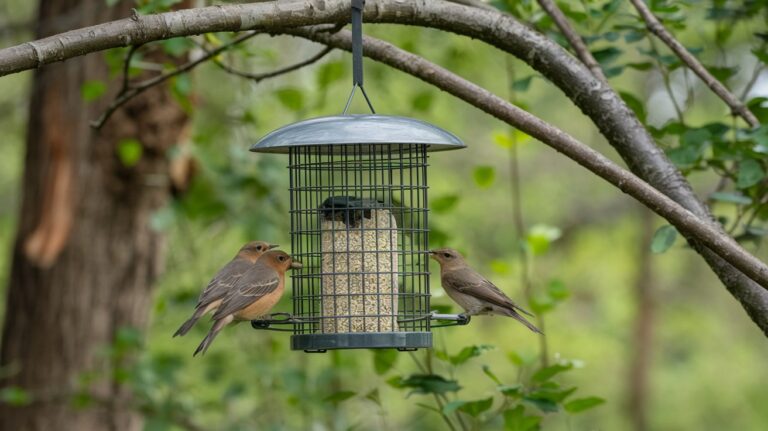
Suet feeders hold high-fat food cakes that provide essential energy for woodpeckers, nuthatches, and chickadees, especially during winter months. These feeders feature cage-like construction that allows birds to cling while feeding but prevents larger birds from consuming entire suet cakes quickly. Double-suet feeders accommodate increased traffic during peak feeding seasons.
Nyjer Seed Feeders
Nyjer feeders feature extremely small feeding ports designed specifically for tiny nyjer seeds that attract goldfinches, siskins, and other small finches. These feeders require frequent cleaning due to seed oils that can become rancid, but they provide unmatched attraction for finch species. Sock-style nyjer feeders offer economical alternatives to rigid tube designs.
Smart Bird Feeders and Technology
Modern smart bird feeders incorporate cameras, sensors, and wireless connectivity to enhance bird watching experiences and provide feeding data. Popular brands like Bird Buddy and Birdfy offer HD cameras, species identification software, and mobile app integration that sends notifications when birds visit feeders. These technological advances help enthusiasts track feeding patterns, identify species, and share observations with online communities.
AI-powered feeders use machine learning algorithms to identify visiting species, track feeding frequency, and provide personalized recommendations for attracting specific birds. Premium models include weather sensors, automated cleaning cycles, and solar charging capabilities that maintain operation without manual intervention. While these feeders cost $200-500, they provide unprecedented insights into backyard bird populations and feeding behaviors.
The 5-7-9 Rule for Bird Feeders
The 5-7-9 rule provides guidelines for optimal feeder placement and maintenance in backyard bird feeding programs. This rule suggests placing feeders 5 feet from dense cover for safety, 7 feet from windows to prevent collisions, and maintaining 9 feet between multiple feeders to reduce competition and territorial disputes among visiting birds.
Following the 5-7-9 rule significantly improves bird feeding success rates and reduces injury risks to visiting species. Research from the Cornell Lab of Ornithology indicates that proper feeder spacing increases species diversity by 35% while reducing aggressive interactions between competing birds. This spacing also allows easier maintenance access and provides better viewing opportunities for bird watchers.
Bird Feeder Placement and Maintenance
Strategic feeder placement considers bird safety, predator protection, and human convenience while maximizing species attraction. Feeders should be positioned near natural cover but with clear flight paths, away from high-traffic areas, and at heights appropriate for target species. Regular cleaning schedules prevent disease transmission and maintain food freshness, with most feeders requiring weekly cleaning during active feeding seasons.
Maintenance protocols include monthly deep cleaning with diluted bleach solutions, regular seed rotation to prevent spoilage, and seasonal feeder inspections for damage or wear. Professional wildlife organizations recommend removing feeders temporarily if sick birds are observed and thoroughly disinfecting all equipment before resuming feeding operations.
Coffee Grounds and Bird Feeder Areas
Sprinkling coffee grounds around bird feeders serves multiple purposes including pest deterrence, soil amendment, and natural fertilization of surrounding vegetation. Used coffee grounds contain nitrogen and acidic compounds that improve soil quality while repelling ants, slugs, and some rodent species that commonly raid bird feeders. However, coffee grounds should be applied sparingly as excessive acidity can harm some plant species.
Coffee grounds also provide texture variation in ground cover that appeals to ground-foraging bird species like towhees and sparrows. The slight acidity helps maintain proper pH levels for acid-loving plants often used in bird-friendly landscaping, while the organic matter improves soil structure and water retention around feeding areas. Fresh grounds should be mixed with other organic materials to prevent compaction and allow proper decomposition.
Related video about types of bird feeders
This video complements the article information with a practical visual demonstration.
Frequently Asked Questions
What are the different types of bird feeders available for backyard use?
The main types include tube feeders for small songbirds, hopper feeders for mixed species, platform feeders for ground-feeding birds, suet feeders for woodpeckers, nyjer feeders for finches, and specialty designs like hummingbird feeders. Each type attracts specific bird species through unique design features and feeding mechanisms.
What is the 5-7-9 rule for bird feeders?
The 5-7-9 rule guides optimal feeder placement: position feeders 5 feet from dense cover for bird safety, 7 feet from windows to prevent collisions, and maintain 9 feet between multiple feeders to reduce competition. Following this rule increases species diversity and reduces bird injuries.
Which is better between Bird Buddy and Birdfy smart feeders?
Both Bird Buddy and Birdfy offer excellent smart feeder features including HD cameras and species identification. Bird Buddy provides superior AI accuracy and community features, while Birdfy offers better battery life and weather resistance. Choice depends on priorities like image quality versus durability.
Why should you sprinkle coffee grounds around your bird feeder?
Coffee grounds around feeders deter ants and slugs, improve soil acidity for bird-friendly plants, and provide organic matter that benefits ground-foraging birds. The nitrogen content acts as natural fertilizer, while the texture variation appeals to species that forage on the ground like sparrows and towhees.
What types of bird feeders work best for large birds?
Large birds need reinforced feeders with extended perches and increased capacity. Platform feeders, jumbo tube feeders with weight-activated mechanisms, and heavy-duty hopper feeders accommodate species like cardinals, blue jays, and woodpeckers while preventing damage from aggressive feeding behaviors.
How do I choose the right bird feeder for different bird species?
Match feeder design to target species: tube feeders for finches and chickadees, platform feeders for doves and sparrows, suet feeders for woodpeckers, and nyjer feeders for goldfinches. Consider seed preferences, feeding behaviors, and bird size when selecting appropriate feeder types for your desired species.
| Feeder Type | Best For | Key Benefit |
|---|---|---|
| Tube Feeders | Small songbirds, finches | Multiple feeding ports, weather protection |
| Platform Feeders | Ground-feeding species | Versatile seed options, natural feeding |
| Hopper Feeders | Mixed bird populations | Large capacity, weather protection |
| Suet Feeders | Woodpeckers, nuthatches | High-energy food, cling feeding |