Top Wildlife Conservation Organizations in the US 2025
Wildlife conservation organizations in the United States play a critical role in protecting endangered species and preserving natural habitats across North America. These organizations work through scientific research, habitat restoration, policy advocacy, and community education to ensure wildlife conservation efforts remain effective in 2025 and beyond.
Leading National Wildlife Conservation Organizations
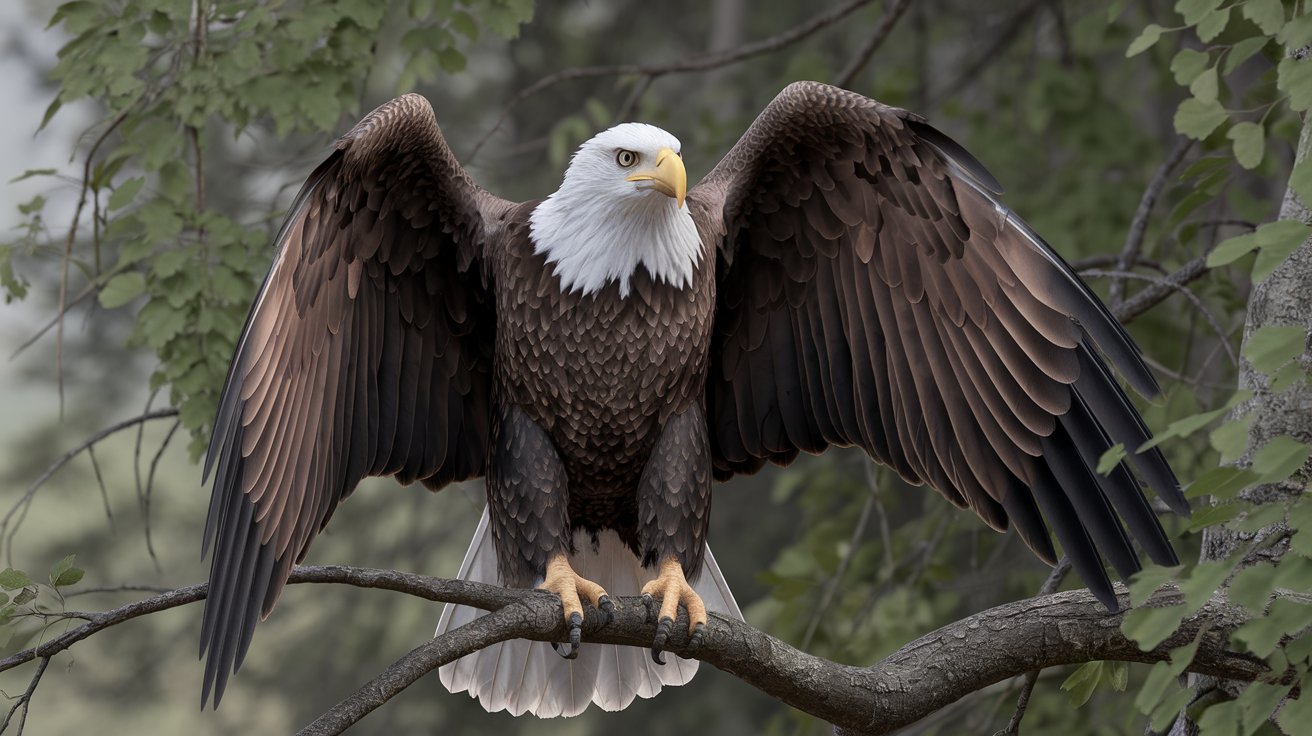
The most influential wildlife conservation organizations in the United States combine decades of experience with cutting-edge conservation science. These organizations protect over 125 million acres of habitat nationwide and have contributed to the recovery of numerous endangered species including bald eagles, gray wolves, and California condors.
Major conservation organizations like The Nature Conservancy, World Wildlife Fund, and Wildlife Conservation Society operate with combined annual budgets exceeding $2.5 billion, demonstrating the significant financial commitment required for effective wildlife protection initiatives across diverse ecosystems.
The Nature Conservancy
The Nature Conservancy stands as America’s largest environmental organization by assets, managing over 119 million acres of protected land and 5,000 miles of rivers worldwide. In 2024, this conservation charity invested $847 million in habitat protection projects across all 50 states, focusing on climate-resilient landscapes and species corridor development.
World Wildlife Fund United States
WWF operates as one of the most trustworthy wildlife organizations globally, with Charity Navigator awarding it a four-star rating for financial transparency and accountability. The organization’s US branch allocated 82% of its $279 million budget directly to conservation programs in 2024, supporting over 100 species recovery initiatives from polar bears in Alaska to sea turtles in Florida.
Specialized Bird and Marine Conservation Groups
Specialized wildlife conservation organizations focus their expertise on specific animal groups, achieving remarkable success rates in species recovery. The National Audubon Society has documented increased populations in 76% of the bird species under their active conservation programs, while marine-focused organizations have contributed to the recovery of humpback whale populations from 5,000 to over 80,000 individuals.
These targeted conservation efforts prove essential for addressing unique ecological challenges faced by different animal groups, from migratory bird habitat loss to ocean acidification affecting marine ecosystems throughout American coastal waters.
National Audubon Society
The National Audubon Society protects over 500 bird species through its network of 450 local chapters and 41 state offices. This bird conservation organization manages 100 wildlife sanctuaries across the United States, providing critical stopover sites for the 350 million birds that migrate through North America annually.
Ocean Conservancy
Ocean Conservancy leads marine wildlife protection efforts along America’s 95,000 miles of coastline, organizing beach cleanups that removed over 15 million pounds of trash in 2024. This organization’s scientific research directly influences federal policies protecting marine mammals, sea turtles, and fish populations in US territorial waters.
Big Five Wildlife Conservation Organizations
The Big Five wildlife conservation organizations represent the most influential and well-funded groups driving conservation policy in the United States. These organizations collectively manage conservation budgets exceeding $1.8 billion annually and maintain active programs in all 50 states plus US territories.
These elite conservation organizations include The Nature Conservancy, World Wildlife Fund, Wildlife Conservation Society, Conservation International, and Natural Resources Defense Council, each bringing unique strengths to America’s comprehensive wildlife protection strategy.
Wildlife Conservation Society
WCS operates America’s largest urban zoo system while conducting field research in over 60 countries. This wildlife conservation organization manages four New York-based zoos and an aquarium, educating over 4 million visitors annually about global conservation challenges and solutions.
Conservation International
Conservation International focuses on biodiversity hotspot protection, with significant operations in American territories including Hawaii, Puerto Rico, and the US Virgin Islands. This organization has helped establish over 80 protected areas globally while maintaining active conservation programs in US coastal and island ecosystems.
Regional and State-Level Conservation Organizations
State and regional wildlife conservation organizations provide targeted protection for local ecosystems and endemic species. These groups often achieve higher success rates in species recovery due to their intimate knowledge of local habitats and close relationships with state wildlife agencies and landowners.
Regional conservation charities like Defenders of Wildlife, Environmental Defense Fund, and state-specific organizations manage smaller budgets but deliver measurable impacts, including the successful reintroduction of wolves to Yellowstone and the protection of critical monarch butterfly migration corridors.
How to Choose the Best Wildlife Conservation Charity
Selecting the best wildlife conservation charity requires evaluating organizational transparency, program effectiveness, and financial efficiency. Top-rated organizations typically allocate 75-85% of donations directly to conservation programs while maintaining comprehensive annual reports and third-party charity ratings.
Effective conservation organizations demonstrate measurable outcomes through peer-reviewed research publications, species population recovery data, and habitat restoration statistics. Donors should prioritize charities with Charity Navigator ratings of three stars or higher and documented partnerships with government agencies and scientific institutions.
Financial Transparency Criteria
The most trustworthy wildlife organizations publish detailed financial statements showing program expense ratios above 75%, administrative costs below 15%, and fundraising expenses under 15%. Organizations like WWF, Nature Conservancy, and Audubon Society meet these standards while maintaining comprehensive donor communication and impact reporting.
Conservation Impact Metrics
Leading conservation organizations measure success through quantifiable metrics including acres protected, species population increases, habitat restoration completion rates, and policy victories. The most effective groups publish annual conservation scorecards with specific data on endangered species recovery and ecosystem health improvements.
Emerging Conservation Organizations and Technology
New wildlife conservation organizations leverage advanced technologies including satellite monitoring, genetic analysis, and artificial intelligence to enhance traditional conservation methods. Organizations founded after 2015 often demonstrate higher technological adoption rates and innovative approaches to habitat protection and species monitoring.
These modern conservation groups utilize drone surveys, camera traps, and GPS tracking to gather precise data on wildlife populations and habitat changes, enabling more targeted and effective conservation interventions across American landscapes.
Corporate Partnerships and Conservation Funding
Major wildlife conservation organizations increasingly partner with corporations to fund large-scale habitat restoration and species protection programs. These partnerships generated over $890 million in conservation funding during 2024, supporting projects from wetland restoration in Louisiana to desert bighorn sheep protection in Nevada.
Corporate-supported conservation initiatives often focus on carbon offset projects that simultaneously benefit wildlife habitats, creating sustainable funding models for long-term ecosystem protection and species recovery programs throughout the United States.
Related video about wildlife conservation organizations
This video complements the article information with a practical visual demonstration.
Most asked questions about wildlife conservation organizations
What is the Big Five wildlife conservation?
The Big Five wildlife conservation organizations are The Nature Conservancy, World Wildlife Fund, Wildlife Conservation Society, Conservation International, and Natural Resources Defense Council. These organizations collectively manage over $1.8 billion in annual conservation funding and operate comprehensive programs across all 50 US states, focusing on habitat protection, species recovery, and conservation policy advocacy.
What is the best charity for wildlife conservation?
The Nature Conservancy consistently ranks as the best wildlife conservation charity based on financial efficiency, scope of impact, and transparency. With 82% of donations going directly to conservation programs and management of 119 million acres of protected habitat, it demonstrates exceptional effectiveness. World Wildlife Fund and National Audubon Society also receive top ratings from Charity Navigator for their conservation work.
What organization protects the wildlife?
Multiple organizations protect wildlife including government agencies like the US Fish and Wildlife Service and nonprofit groups such as WWF, The Nature Conservancy, and Wildlife Conservation Society. These organizations work together through habitat protection, species monitoring, research programs, and policy advocacy to protect endangered species and preserve ecosystems across the United States.
Is WWF a trustworthy organization?
Yes, WWF is highly trustworthy with a four-star rating from Charity Navigator and excellent financial transparency. The organization allocates 82% of its budget directly to conservation programs, publishes comprehensive annual reports, and maintains partnerships with government agencies and scientific institutions. WWF’s US operations invested $279 million in conservation programs during 2024, supporting over 100 species recovery initiatives.
How do wildlife conservation organizations measure success?
Wildlife conservation organizations measure success through quantifiable metrics including species population recovery rates, acres of habitat protected or restored, number of endangered species moved to stable status, and policy victories achieved. Top organizations publish annual impact reports with specific data on conservation outcomes, scientific research publications, and long-term monitoring results.
Can I volunteer with wildlife conservation organizations?
Most wildlife conservation organizations offer extensive volunteer opportunities ranging from citizen science projects and habitat restoration to educational programs and fundraising events. Organizations like National Audubon Society, The Nature Conservancy, and local wildlife refuges provide structured volunteer programs with training and ongoing support for participants of all experience levels.
| Organization Type | Key Strengths | Primary Benefits |
|---|---|---|
| National Organizations | Large-scale habitat protection, policy influence, research funding | Comprehensive species recovery, ecosystem preservation |
| Specialized Groups | Targeted expertise, species-specific programs, local knowledge | Higher success rates, tailored conservation approaches |
| Regional Organizations | Local partnerships, community engagement, state-level advocacy | Endemic species protection, habitat connectivity |
| Technology-Focused Groups | Innovation adoption, data-driven approaches, monitoring systems | Enhanced effectiveness, precise conservation targeting |