Marine Protected Areas: Complete US Guide & Map 2025
Marine protected areas represent designated ocean zones where human activities are restricted to preserve marine ecosystems and biodiversity. The United States currently maintains over 1,000 marine protected areas covering approximately 41% of U.S. waters, making them crucial for conservation efforts and sustainable fisheries management across American coastal regions.
What Are Marine Protected Areas
Marine protected areas are legally designated ocean regions where specific human activities face restrictions or prohibitions to conserve marine life and habitats. These protected zones serve as underwater sanctuaries that allow fish populations to recover, protect critical breeding grounds, and maintain healthy ocean ecosystems. The National Marine Protected Areas Center defines MPAs as areas with lasting protection through federal, state, territorial, tribal, or local laws.
The effectiveness of marine protected areas depends on their size, location, enforcement level, and specific regulations. Research shows that well-managed MPAs can increase fish biomass by up to 446% and species diversity by 21% compared to unprotected areas. These conservation tools range from no-take zones with complete fishing bans to multi-use areas allowing sustainable recreational activities.
Types of Marine Protected Areas
The United States recognizes six primary categories of marine protected areas based on protection levels and permitted activities. No-take reserves offer the highest protection with complete bans on extractive activities, while multiple-use MPAs allow sustainable fishing and recreation. Marine parks combine conservation with public access for education and recreation, creating balance between protection and community use.
Legal Framework for MPAs
Marine protected areas law in the United States operates through multiple federal statutes including the Marine Protection, Research, and Sanctuaries Act, National Marine Sanctuaries Act, and Magnuson-Stevens Fishery Conservation Act. State governments also establish marine protected areas through local legislation, creating a comprehensive network of protection levels. Executive Order 13158 from 2000 established the national system for MPA management and coordination.
How Many Marine Protected Areas Are in the US
The United States currently maintains over 1,000 marine protected areas spanning federal and state jurisdictions across Pacific, Atlantic, and Gulf of Mexico waters. These MPAs cover approximately 26% of U.S. waters, with the largest concentration in Hawaiian and Californian coastal regions. The National Marine Protected Areas Center database tracks 1,845 sites when including all protection categories and management levels.
Federal agencies manage the majority of large-scale marine protected areas, while states typically oversee smaller coastal zones and nearshore habitats. NOAA’s National Marine Sanctuary System alone protects over 620,000 square miles of ocean and Great Lakes waters through 15 national marine sanctuaries and two marine national monuments.
Largest Marine Protected Areas in the US
The largest protected marine area under U.S. jurisdiction is the Papahānaumokuākea Marine National Monument in Hawaii, covering approximately 583,000 square miles of Pacific Ocean. This massive conservation area protects pristine coral reefs, endangered Hawaiian monk seals, and millions of seabirds across the Northwestern Hawaiian Islands chain.
Other significant marine protected areas include the Pacific Remote Islands Marine National Monument (490,000 square miles), Marianas Trench Marine National Monument (95,000 square miles), and California’s network of 124 state MPAs covering 852 square miles of coastal waters. These designated marine protected areas represent some of the world’s most ambitious ocean conservation efforts.
Pacific Coast Marine Protected Areas
California leads the nation with the most comprehensive state marine protected areas network, featuring 124 underwater parks along 1,100 miles of coastline. The California MPA system includes no-take reserves, conservation areas, and recreational management zones that protect 16% of state waters. These areas safeguard critical habitats for abalone, rockfish, and kelp forest ecosystems.
Atlantic and Gulf Coast MPAs
East Coast marine protected areas include the Stellwagen Bank National Marine Sanctuary off Massachusetts and Gray’s Reef National Marine Sanctuary near Georgia. Gulf of Mexico protection focuses on coral reef systems like the Flower Garden Banks National Marine Sanctuary, which protects the northernmost coral reefs in the continental United States with designated marine protected areas status.
Marine Protected Areas Near Texas
Marine protected areas near Texas primarily center around the Flower Garden Banks National Marine Sanctuary, located 70-115 miles offshore in the Gulf of Mexico. This sanctuary protects three separate reef areas covering 56 square miles of pristine coral reef habitat. The East and West Flower Garden Banks support thriving coral communities with over 80% coral coverage, making them among the healthiest reefs in the Gulf region.
Additional Texas marine protected areas include state-managed artificial reef sites and fish habitat areas along the coast. The Texas Parks and Wildlife Department maintains over 3,400 artificial reef structures that function as de facto marine protected zones by enhancing fish populations and providing recreational fishing opportunities while supporting ecosystem recovery.
Marine Protected Areas Near San Antonio TX
While San Antonio sits inland, the closest marine protected areas near San Antonio, TX are located approximately 200 miles southeast along the Texas Gulf Coast. The Flower Garden Banks National Marine Sanctuary represents the primary offshore protection, accessible through charter boats from Galveston and Freeport. Several state artificial reef sites near Galveston and Corpus Christi also provide marine protected areas benefits within driving distance of San Antonio residents.
Gulf Coast Conservation Efforts
Texas coastal waters feature emerging marine protected areas initiatives including proposed expansion of existing sanctuaries and new artificial reef developments. The state’s Artificial Reef Program creates fish habitat areas that function similar to traditional MPAs by concentrating marine life and supporting sustainable fisheries. These efforts complement federal designated marine protected areas in creating comprehensive Gulf of Mexico conservation networks.
30×30 Initiative and Future MPAs
The Biden Administration’s 30×30 marine protected areas by 2030 initiative aims to conserve 30% of U.S. lands and waters by 2030, significantly expanding current MPA coverage. This ambitious conservation goal requires protecting an additional 4% of American waters beyond current coverage levels. The initiative emphasizes collaborative approaches with states, tribes, and local communities to identify priority areas for new marine protected areas designation.
Implementation strategies focus on filling protection gaps in underrepresented ecosystems, expanding existing marine protected areas, and improving management effectiveness of current sites. Priority regions include the Atlantic seaboard, Pacific Northwest, and Alaska waters where new MPAs could provide critical habitat connectivity and climate resilience benefits for marine species.
Finding and Accessing Marine Protected Areas
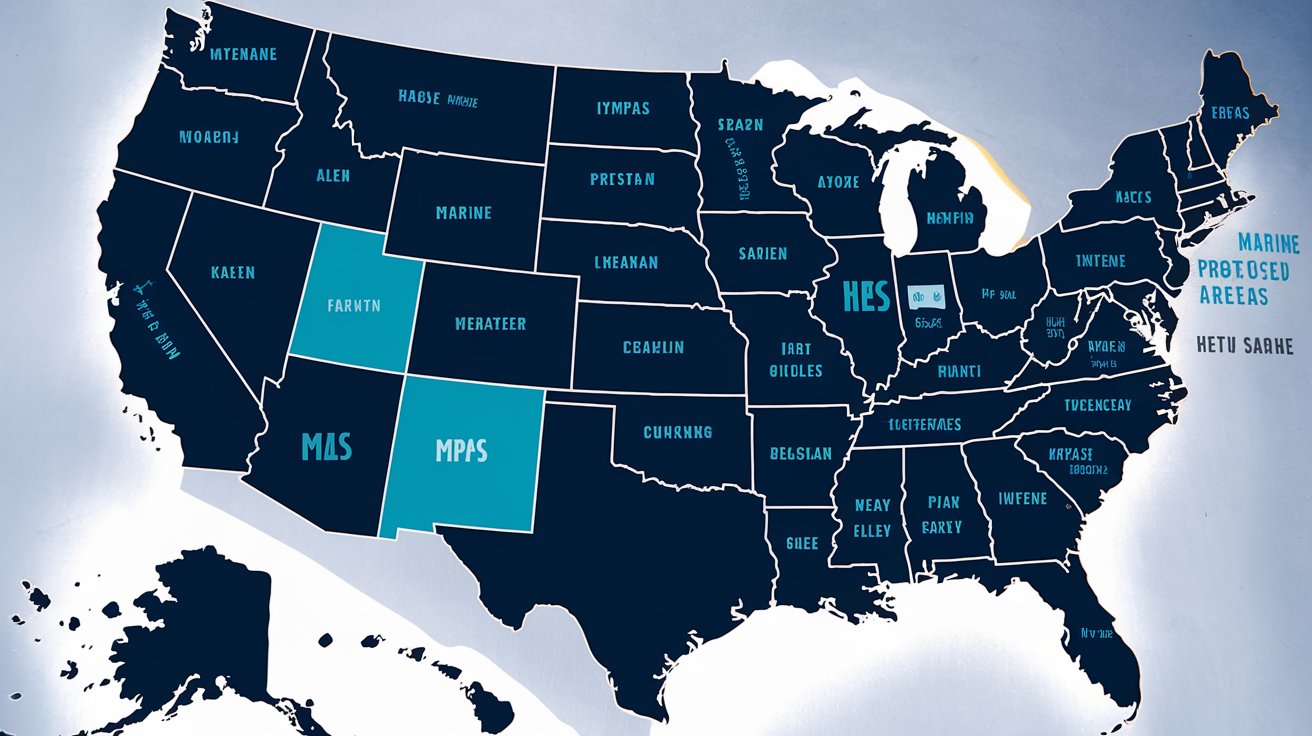
The NOAA Marine Protected Areas map provides the most comprehensive tool for locating MPAs across U.S. waters, featuring interactive mapping capabilities and detailed site information. The MPA Inventory database includes over 1,800 sites with specific boundary coordinates, management agencies, and regulation details. Users can search by location, protection level, or permitted activities to find relevant marine protected areas for their needs.
Mobile applications and GPS coordinates help boaters and divers navigate marine protected areas boundaries safely and legally. Many MPAs provide physical boundary markers, buoys, and signage to clearly indicate protected zones. Visitors should always verify current regulations before entering any MPA, as rules may change seasonally or based on species protection needs.
MPA Regulations and Permitted Activities
Each marine protected area maintains specific regulations governing fishing, boating, diving, and other activities based on conservation objectives. No-take reserves prohibit all extractive activities, while recreational management areas may allow catch-and-release fishing or specific gear types. Transit through MPAs with legally caught fish aboard is typically permitted, but anchoring and fishing within boundaries remain restricted in most designated marine protected areas.
Enforcement and Compliance
Federal and state agencies enforce marine protected areas law through regular patrols, surveillance technology, and partnership with fishing communities. Violations can result in significant fines, gear confiscation, and criminal charges depending on offense severity. Education and outreach programs help users understand MPA regulations and support voluntary compliance with marine protected areas rules across all user groups.
Related video about marine protected areas
This video complements the article information with a practical visual demonstration.
Your questions answered
How many marine protected areas are there in the US?
The United States maintains over 1,000 marine protected areas when including all federal and state designations. The National Marine Protected Areas Center database tracks 1,845 sites across all protection categories, covering approximately 26% of U.S. waters with varying levels of protection from no-take reserves to multiple-use management areas.
What is the largest marine protected area in the US?
The Papahānaumokuākea Marine National Monument in Hawaii is the largest U.S. marine protected area, covering approximately 583,000 square miles of Pacific Ocean. This massive conservation zone protects pristine coral reefs, endangered species, and cultural sites across the Northwestern Hawaiian Islands chain.
Are there marine protected areas near Texas?
Yes, the Flower Garden Banks National Marine Sanctuary located 70-115 miles offshore in the Gulf of Mexico serves as the primary marine protected area near Texas. This sanctuary protects 56 square miles of healthy coral reef habitat, along with numerous state artificial reef sites that provide additional marine protection along the Texas coast.
What activities are allowed in marine protected areas?
Permitted activities in marine protected areas vary by designation level and specific regulations. While no-take reserves prohibit all extractive activities, many MPAs allow recreational boating, diving, swimming, and wildlife viewing. Some areas permit catch-and-release fishing or specific gear types, but visitors must always check current regulations before entering any MPA.
How does the 30×30 initiative affect marine protected areas?
The 30×30 initiative aims to protect 30% of U.S. waters by 2030, requiring expansion of current marine protected area coverage from 26% to 30%. This involves creating new MPAs, expanding existing ones, and improving management effectiveness through collaborative efforts with states, tribes, and local communities to identify priority conservation areas.
How can I find marine protected areas on a map?
The NOAA Marine Protected Areas Inventory provides interactive mapping tools to locate all U.S. MPAs with detailed boundary information, regulations, and contact details. The database includes over 1,800 sites searchable by location, protection level, or permitted activities, with GPS coordinates and mobile-friendly access for navigation purposes.
| MPA Category | Coverage Area | Conservation Benefit |
|---|---|---|
| Federal Sanctuaries | 620,000+ square miles | Large-scale ecosystem protection |
| State MPAs | Thousands of coastal sites | Local habitat preservation |
| No-Take Reserves | Highest protection zones | Fish biomass increase up to 446% |
| Multi-Use Areas | Sustainable activity zones | Balanced conservation and access |