How to Keep Squirrels Out of Bird Feeders: 15 Proven Methods
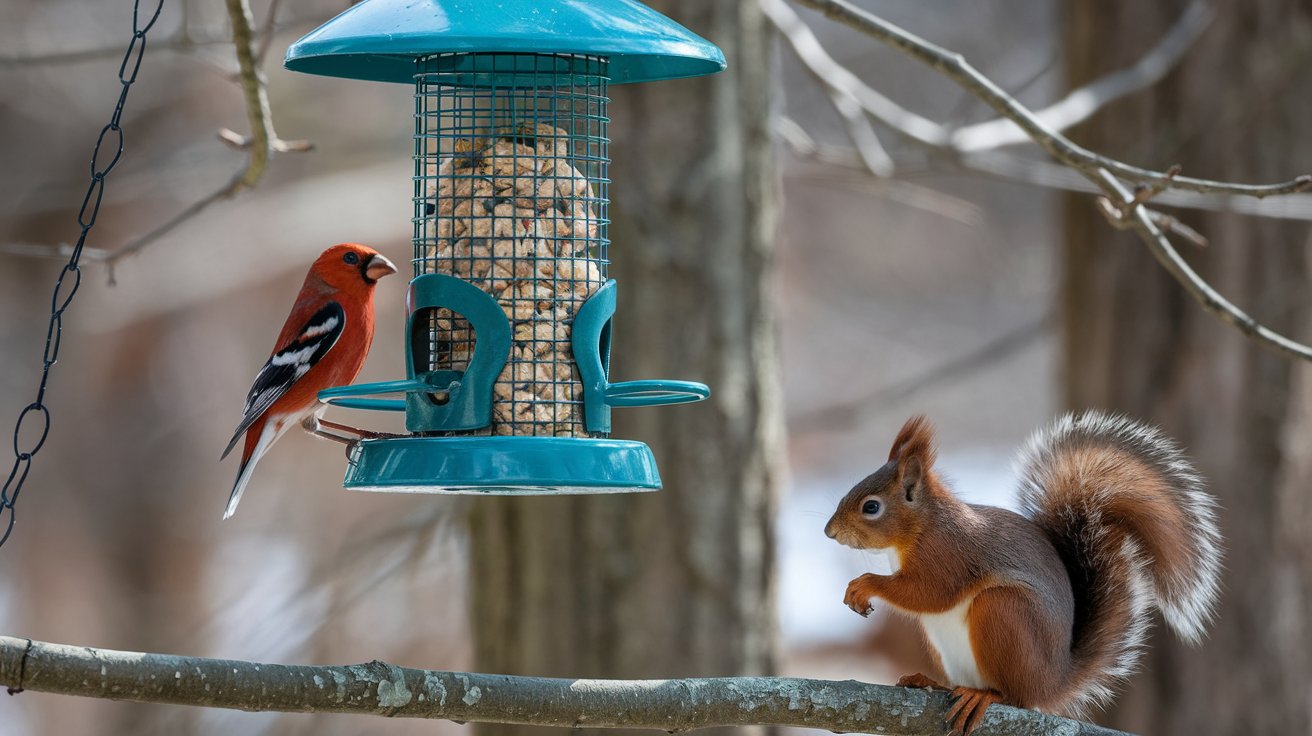
Keeping squirrels out of bird feeders requires strategic planning and the right techniques. These acrobatic mammals can consume up to one pound of bird seed daily, making feeder protection essential for serious bird watchers. From natural deterrents to mechanical barriers, multiple proven methods can effectively keep squirrels away from bird feeders while maintaining a welcoming environment for your feathered friends.
Understanding Squirrel Behavior Around Bird Feeders
Squirrels are persistent creatures with remarkable problem-solving abilities, making them challenging opponents for bird enthusiasts. These mammals can jump horizontally up to 10 feet and vertically up to 8 feet, while their sharp claws allow them to climb virtually any surface. Understanding that squirrels hate certain scents, textures, and obstacles forms the foundation of effective deterrent strategies.
The key to successfully keeping squirrels off bird feeders lies in disrupting their access routes and making the feeder area less appealing. Squirrels typically approach feeders from trees, fences, or ground level, requiring comprehensive protection strategies. Their memory allows them to remember food sources for months, meaning consistent deterrent application is crucial for long-term success in maintaining squirrel proof bird feeder setups.
Physical Barriers and Squirrel-Proof Feeder Designs
Installing physical barriers remains the most reliable method to keep squirrels out of bird feeders. Proper feeder placement should maintain at least 10 feet of distance from trees, fences, or structures that squirrels could use as launching points. This strategic positioning forces squirrels to access feeders from the ground, where additional barriers can be most effective.
Modern squirrel proof bird feeder designs incorporate weight-activated mechanisms that close seed ports when heavier animals attempt access. These feeders typically activate when 1.5 pounds or more of weight is applied, effectively blocking squirrels while allowing smaller birds to feed normally. Cage-style feeders provide another excellent solution, using metal bars spaced to permit small bird access while excluding larger mammals.
Pole-Mounted Feeder Protection Systems
Pole-mounted systems offer excellent control over squirrel access when properly implemented. Installing a quality baffle system below the feeder creates an impassable barrier that prevents climbing. Cone-shaped baffles work best when positioned at least 4 feet above ground level and 15 inches in diameter, creating an obstacle that squirrels cannot navigate around or over.
Slinky and Wire Solutions for Feeder Poles
Learning how to keep squirrels off bird feeders with slinky devices provides an entertaining and effective solution. Attach a large slinky to the feeder pole, allowing it to compress and expand as squirrels attempt to climb. This unstable surface makes climbing impossible while creating amusing entertainment for observers. Smooth PVC pipe sleeves around poles offer similar protection by eliminating grip surfaces.
Natural Deterrents and Repellent Solutions
Natural deterrents offer safe, environmentally friendly options for home remedy to keep squirrels away from bird feeders. These solutions work by targeting squirrels’ sensitive senses while remaining harmless to birds. Understanding what smells keep squirrels away from bird feeders enables homeowners to create effective barrier zones around feeding areas without using harmful chemicals.
Essential oil-based repellents using peppermint, eucalyptus, or cinnamon create aromatic barriers that deter squirrels effectively. Apply these scents to cotton balls or cloth strips, positioning them strategically around feeder areas. Regular reapplication every 3-4 days maintains potency, especially after rain or heavy dew that can diminish scent strength.
Cayenne Pepper Applications for Bird Seed
Understanding how to keep squirrels out of bird feeder with cayenne pepper requires knowing the proper application methods. Mix one teaspoon of cayenne pepper per pound of bird seed, ensuring even distribution throughout the mixture. Birds lack capsaicin receptors, making this spice undetectable to them while creating an unpleasant experience for mammals attempting to consume treated seed.
Coffee Grounds as Natural Squirrel Deterrent
Many bird enthusiasts wonder why should I sprinkle coffee grounds around my bird feeder, and the answer lies in squirrels’ aversion to coffee’s bitter compounds. Fresh coffee grounds contain natural oils and acids that create an unpleasant sensory experience for squirrels while enriching soil around feeding areas. Apply a thin layer of used grounds in a 2-foot radius around feeder bases, refreshing weekly for optimal effectiveness.
Aluminum Foil and Reflective Deterrent Methods
Investigating does aluminum foil keep squirrels away from bird feeders reveals mixed but often positive results when properly implemented. Squirrels dislike the texture, sound, and reflective properties of aluminum foil, making it an accessible deterrent option. Wrap feeder poles with foil or create foil strips that flutter in the breeze, creating visual and auditory disturbances that discourage approach.
Reflective tape and pinwheels provide similar benefits while offering more durability than foil applications. Position these reflective elements strategically to catch sunlight and create moving patterns that startle approaching squirrels. The combination of light reflection and movement creates an unpredictable environment that most squirrels prefer to avoid.
DIY Solutions and Homemade Squirrel Repellents
Creating effective DIY solutions for squirrel control requires understanding the best homemade squirrel repellent formulations. Simple spray mixtures combining dish soap, cayenne pepper, and water create effective liquid deterrents for application around feeder areas. Mix 1 tablespoon each of cayenne pepper and dish soap with 1 quart of water, applying every few days to maintain effectiveness.
Garlic and onion-based sprays offer another natural approach to keep squirrels out of bird feeders DIY style. Blend 2 cloves of garlic and half an onion with 2 cups of water, strain the mixture, and apply around feeder zones. These pungent solutions create scent barriers that squirrels find objectionable while posing no threat to visiting birds.
Motion-Activated Deterrent Systems
Motion-activated sprinkler systems provide highly effective automated protection for bird feeder areas. These devices detect movement and release sudden water bursts that startle squirrels without harming them. Position sensors to cover primary approach routes while ensuring bird feeding areas remain accessible and comfortable for intended visitors.
Sound-Based Deterrent Options
Ultrasonic devices and wind chimes create audio environments that many squirrels find uncomfortable. While results vary by individual animal sensitivity, these solutions work best when combined with other deterrent methods. Position sound devices within 20 feet of feeding areas for optimal coverage while ensuring volume levels don’t disturb neighbors or household members.
Feeder Placement and Landscaping Strategies
Strategic feeder placement forms the cornerstone of effective squirrel management, requiring careful consideration of surrounding landscape elements. The 5-10-4 rule provides essential guidance: feeders should be positioned at least 5 feet high, 10 feet from potential jumping points, and 4 feet from any climbable surface. This positioning forces squirrels to attempt ground-level access, where additional barriers prove most effective.
Landscaping modifications can significantly reduce squirrel access opportunities while enhancing bird-friendly environments. Trimming tree branches that overhang or approach feeding areas eliminates primary squirrel highways. Consider replacing problematic trees with bird-attracting alternatives like serviceberry or elderberry, which provide natural food sources while positioning feeding stations beyond squirrel reach.
Seed Selection and Feeding Schedule Management
Selecting appropriate bird seed types can influence squirrel interest levels while maintaining nutritious offerings for desired bird species. Safflower seeds provide excellent nutrition for cardinals, chickadees, and other songbirds while being less appealing to squirrels due to their bitter taste. Nyjer seeds attract goldfinches and siskins specifically, with specialized feeders that make access difficult for larger mammals.
Implementing strategic feeding schedules can reduce overnight seed accumulation that attracts squirrels during dawn foraging periods. Fill feeders during mid-morning hours when birds are most active, removing or securing feeders before dusk. This approach ensures maximum bird feeding opportunities while minimizing attractive overnight food sources that draw persistent squirrel attention.
Alternative Feeding Stations for Squirrels
Providing dedicated squirrel feeding areas can redirect their attention away from bird feeders while acknowledging their legitimate food needs. Position corn cobs, peanuts, and sunflower seeds in ground-level feeders at least 50 feet from bird feeding stations. This strategy satisfies squirrel hunger while protecting premium bird seed investments.
Seasonal Feeding Adjustments
Adjusting feeding strategies based on seasonal squirrel behavior patterns improves long-term success rates. During autumn months, squirrels intensify foraging behavior in preparation for winter, requiring enhanced deterrent measures. Spring breeding seasons also increase activity levels, necessitating vigilant monitoring and prompt deterrent reinforcement to maintain effective protection.
Maintenance and Long-term Success Strategies
Maintaining effective squirrel deterrent systems requires consistent attention and periodic adjustments based on observed behavior patterns. Regular inspection of physical barriers ensures continued effectiveness, as weather and wear can compromise protective elements. Replace damaged baffles, refresh natural deterrents, and adjust feeder positions as landscape changes occur throughout growing seasons.
Success in keeping squirrels away from bird feeders often requires combining multiple strategies rather than relying on single solutions. Document which methods prove most effective in your specific location, as local squirrel populations may respond differently to various deterrent approaches. Seasonal adjustments and consistent application of chosen methods typically yield the best long-term results for protecting bird feeding investments.
Related video about how to keep squirrels out of bird feeders
This video complements the article information with a practical visual demonstration.
Questions & Answers
What do squirrels hate the most?
Squirrels hate spicy scents like cayenne pepper, strong odors from peppermint or eucalyptus oils, and textures like aluminum foil. They also dislike unstable surfaces, sudden movements, and reflective materials that create unpredictable environments around their food sources.
Why should I sprinkle coffee grounds around my bird feeder?
Coffee grounds contain bitter compounds and natural oils that squirrels find unpleasant, while birds remain unaffected. The grounds also enrich soil around feeding areas and need refreshing weekly. This natural deterrent provides an eco-friendly solution that repurposes waste materials effectively.
What is the best homemade squirrel repellent?
The most effective homemade repellent combines 1 tablespoon each of cayenne pepper and dish soap with 1 quart of water. This mixture creates a spicy, slippery barrier that deters squirrels while remaining safe for birds. Apply every 3-4 days around feeder areas for optimal results.
Does aluminum foil deter squirrels from bird feeders?
Aluminum foil can effectively deter squirrels due to its texture, reflective properties, and crackling sounds. Wrap feeder poles or create fluttering strips around feeding areas. While not 100% effective alone, foil works well as part of a comprehensive deterrent strategy combined with other methods.
How far should bird feeders be from trees to keep squirrels away?
Bird feeders should be positioned at least 10 feet horizontally from trees, fences, or structures, and 8 feet from any vertical surface squirrels could climb. This distance exceeds most squirrels’ jumping capabilities, forcing ground-level access where additional barriers can be more effectively implemented.
Do squirrel-proof bird feeders actually work?
High-quality squirrel-proof feeders with weight-activated mechanisms are highly effective, typically activating when 1.5+ pounds of pressure is applied. Cage-style designs also work well by allowing small birds access while excluding larger mammals. Success rates exceed 90% when properly installed and maintained according to manufacturer guidelines.
| Deterrent Method | Effectiveness Level | Key Benefits |
|---|---|---|
| Physical Barriers (Baffles) | 95% Success Rate | Permanent solution, weather resistant |
| Cayenne Pepper Treatment | 85% Success Rate | Safe for birds, natural deterrent |
| Squirrel-Proof Feeders | 90% Success Rate | Automated protection, low maintenance |
| Strategic Placement | 80% Success Rate | Cost-effective, immediate implementation |
| Coffee Grounds | 70% Success Rate | Eco-friendly, soil enriching |