Bird Anatomy Diagram: Complete Guide to Body Parts & Functions
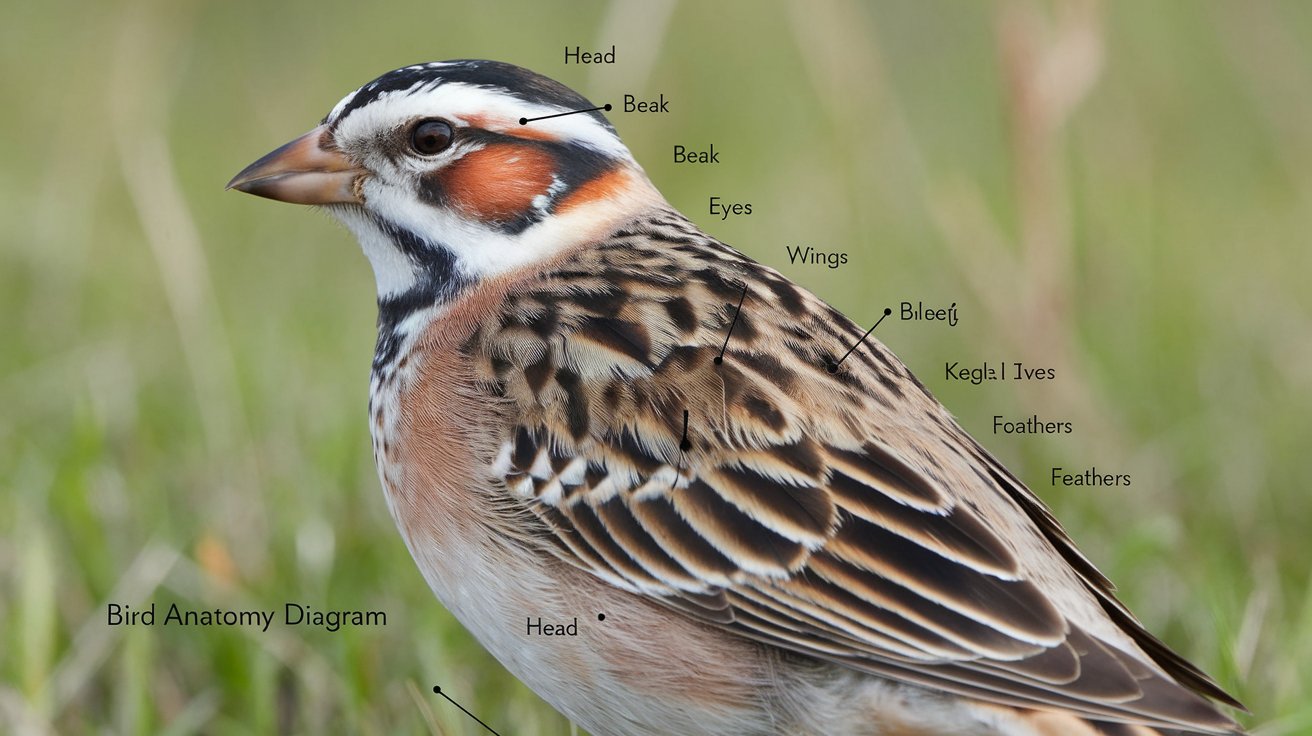
A bird anatomy diagram reveals the intricate design of avian bodies, showcasing specialized structures that enable flight, efficient metabolism, and survival. Understanding bird anatomy helps identify body parts, their functions, and the remarkable adaptations that make birds one of nature’s most successful vertebrate groups across diverse environments.
External Bird Anatomy and Body Parts
The external anatomy of birds consists of specialized structures designed for flight efficiency and environmental adaptation. Key bird body parts include the head with its beak variations, wings with flight feathers, legs adapted for different lifestyles, and the tail for steering and balance. Each component serves multiple functions essential for survival and reproduction.
The head region contains the brain, sensory organs, and feeding apparatus. Bird anatomy features like the beak shape directly correlate with diet – seed-eating birds have thick, strong beaks while nectar feeders possess long, thin bills. Eyes are proportionally larger than in mammals, providing superior vision crucial for navigation and predator detection.
Wing Structure and Flight Feathers
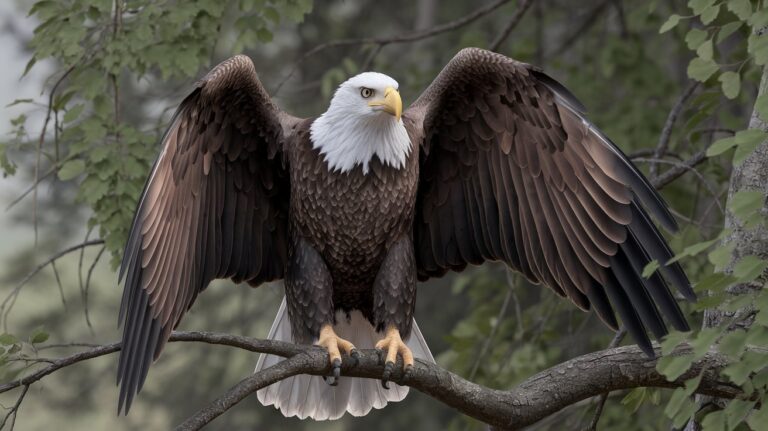
Wings represent the most distinctive feature in any bird anatomy diagram labeled with primary, secondary, and tertiary feathers. Primary feathers, located at the wing tips, provide thrust during flight, while secondary feathers along the wing’s trailing edge generate lift. Covert feathers smooth airflow over the wing surface, reducing turbulence and improving aerodynamic efficiency.
Leg and Foot Adaptations
Bird legs and feet vary dramatically based on habitat and behavior. Birds body parts and functions demonstrate remarkable specialization – webbed feet for swimming, talons for hunting, and perching feet for gripping branches. The arrangement of toes follows different patterns: anisodactyl (three forward, one back), zygodactyl (two forward, two back), or syndactyl (fused toes).
Internal Bird Anatomy and Organ Systems
Bird anatomy organs are highly specialized for the demands of flight and rapid metabolism. The digestive system includes the crop for food storage, a two-chambered stomach with the muscular gizzard for grinding food, and efficient intestines for rapid nutrient absorption. The respiratory system features air sacs that ensure continuous airflow through the lungs during both inhalation and exhalation.
The cardiovascular system supports high metabolic demands with a four-chambered heart pumping oxygenated blood at rates exceeding 1,000 beats per minute in small birds. Bird skeleton anatomy incorporates hollow bones filled with air spaces, reducing weight while maintaining strength. This pneumatic bone structure connects to the respiratory system, further enhancing oxygen efficiency.
Respiratory System and Air Sacs
Unlike mammals, birds have no diaphragm for breathing. Instead, they use a unique system of air sacs and specialized muscles to move air through their lungs. Nine air sacs throughout the body create a unidirectional airflow, ensuring fresh oxygen reaches the lungs during both inhalation and exhalation phases of breathing.
Digestive System Adaptations
The avian digestive system reflects dietary specializations visible in detailed bird anatomy diagram illustrations. Seed-eating birds possess powerful gizzards with ingested grit to grind tough food, while nectar feeders have enlarged crops for storing liquid meals. The absence of teeth requires food processing through mechanical grinding and chemical breakdown in specialized stomach chambers.
Bird Skeleton Structure and Bone Adaptations
Bird skeleton diagram illustrations reveal remarkable adaptations for flight, including fused bones that create rigid structures for wing attachment and force transmission. The sternum features a prominent keel (carina) providing attachment points for powerful flight muscles. Vertebrae fuse in the trunk region, creating a solid foundation for wing movement while maintaining flexibility in the neck and tail.
Pneumatic bones reduce overall body weight without sacrificing structural integrity. Bird skeleton anatomy shows how major bones contain air-filled spaces connected to the respiratory system, contributing to buoyancy and efficient oxygen circulation. The wishbone (furcula) acts as a spring, storing and releasing energy during the flight stroke cycle.
Specialized Anatomical Features by Bird Type
Different bird species exhibit distinct anatomical variations reflected in specialized bird anatomy diagram male and female illustrations. Raptors possess sharp talons and hooked beaks for capturing prey, while waterbirds feature waterproof plumage and webbed feet for aquatic life. Ground-dwelling birds develop strong legs and reduced flight capabilities, focusing energy on terrestrial adaptations.
Sexual dimorphism appears in many species, with males often displaying enhanced plumage coloration, specialized feathers, or enlarged vocal structures for territorial displays. Bird anatomy diagram and functions demonstrate how these differences support reproductive success through mate attraction and territory defense behaviors.
Raptor Anatomical Specializations
Birds of prey showcase extreme anatomical adaptations for hunting, including enlarged flight muscles comprising up to 25% of body weight. Enhanced visual systems feature high-density retinas and specialized eye structures for detecting movement at great distances. Bird anatomy features in raptors include reinforced skull bones to absorb impact forces during high-speed dives.
Waterbird Adaptations
Aquatic birds demonstrate unique modifications visible in detailed bird anatomy PDF resources, including dense, waterproof plumage created by specialized oil glands. Webbed or lobed feet provide swimming propulsion, while streamlined body shapes reduce water resistance. Salt glands above the eyes allow seabirds to process saltwater and excrete excess sodium.
Bird Anatomy Regions and Terminology
Understanding anatomical regions helps interpret bird anatomy diagram labeled illustrations accurately. The crown covers the top of the head, while the nape refers to the back of the neck. Wing regions include the bend (carpal joint), coverts (covering feathers), and flight feathers arranged in specific tracts for optimal aerodynamic function.
What are the flanks of a bird refers to the sides of the body between the wings and legs, an area where field marks often appear for species identification. The rump occupies the lower back region above the tail, while the undertail coverts protect the base of tail feathers. These regional terms standardize bird anatomy descriptions across scientific and educational contexts.
Comparative Anatomy: Birds vs Other Vertebrates
Bird anatomy organs demonstrate unique evolutionary adaptations distinguishing them from mammals, reptiles, and other vertebrate groups. The absence of a urinary bladder allows weight reduction, with nitrogenous waste concentrated as uric acid crystals requiring minimal water for excretion. Modified scales became feathers, providing insulation and flight capabilities impossible with hair or bare skin.
Temperature regulation systems in birds operate more efficiently than mammalian counterparts, with specialized counter-current heat exchange in extremities preventing heat loss. Birds body parts and functions reflect approximately 150 million years of evolutionary refinement since diverging from their dinosaur ancestors during the Jurassic period.
Understanding Bird Pain and Injury Recognition
Do injured birds feel pain is a critical question for wildlife rehabilitation and veterinary care. Scientific research confirms that birds possess nociceptors (pain receptors) throughout their bodies and demonstrate pain responses similar to mammals. Behavioral indicators include reduced activity, altered feeding patterns, protective positioning, and vocalization changes when experiencing discomfort or injury.
Pain recognition helps identify birds requiring medical intervention, as they often hide symptoms as a survival mechanism. Bird anatomy diagram knowledge assists in recognizing normal versus abnormal postures, wing positions, and movement patterns that may indicate injury or illness requiring professional veterinary assessment and treatment.
Related video about bird anatomy diagram
This video complements the article information with a practical visual demonstration.
Your questions answered
What are the parts of a bird and their functions?
Bird parts include the beak for feeding, wings for flight with primary and secondary feathers, legs adapted for different lifestyles, and internal organs like the gizzard for food processing. The skeleton features hollow bones for weight reduction, while air sacs enhance respiratory efficiency. Each component serves specific survival functions from navigation to reproduction.
Do injured birds feel pain?
Yes, injured birds feel pain through nociceptors (pain receptors) distributed throughout their bodies. They demonstrate pain responses through behavioral changes including reduced activity, altered feeding patterns, protective positioning, and changed vocalizations. Birds often hide pain as a survival mechanism, making careful observation important for identifying injuries.
Why do birds have no diaphragm?
Birds lack a diaphragm because they use an alternative respiratory system with air sacs and specialized muscles to move air through their lungs. This system creates unidirectional airflow, ensuring continuous oxygen delivery during both breathing phases. The air sac system is more efficient for the high metabolic demands of flight than mammalian diaphragmatic breathing.
What are the flanks of a bird?
The flanks are the sides of a bird’s body located between the wings and legs. This anatomical region often displays distinctive field marks important for species identification. Flank coloration and patterns frequently differ between male and female birds, particularly during breeding season when plumage variations become more pronounced.
How do bird bones differ from mammal bones?
Bird bones are hollow and pneumatic, containing air spaces connected to the respiratory system, unlike solid mammalian bones. This adaptation reduces body weight for flight while maintaining structural strength. Many bird bones also fuse together, creating rigid frameworks that efficiently transfer the forces generated during wing beats and landing impacts.
What makes bird respiratory systems unique?
Bird respiratory systems feature nine air sacs and unidirectional airflow through the lungs, unlike the bidirectional breathing of mammals. Air flows continuously in one direction, maximizing oxygen extraction efficiency. This system supports the high metabolic demands of flight and allows birds to maintain activity at altitudes where mammals would struggle to breathe effectively.
| Anatomical System | Key Features | Flight Adaptation |
|---|---|---|
| Skeletal System | Hollow pneumatic bones, fused vertebrae | Reduced weight, structural rigidity |
| Respiratory System | Air sacs, unidirectional airflow | Enhanced oxygen efficiency |
| Muscular System | Large pectoral muscles, wishbone spring | Powerful wing stroke generation |
| Integumentary System | Specialized feathers, aerodynamic design | Lift generation, drag reduction |