Wildlife Rehabilitation Center Guide: Finding Help for Injured Animals
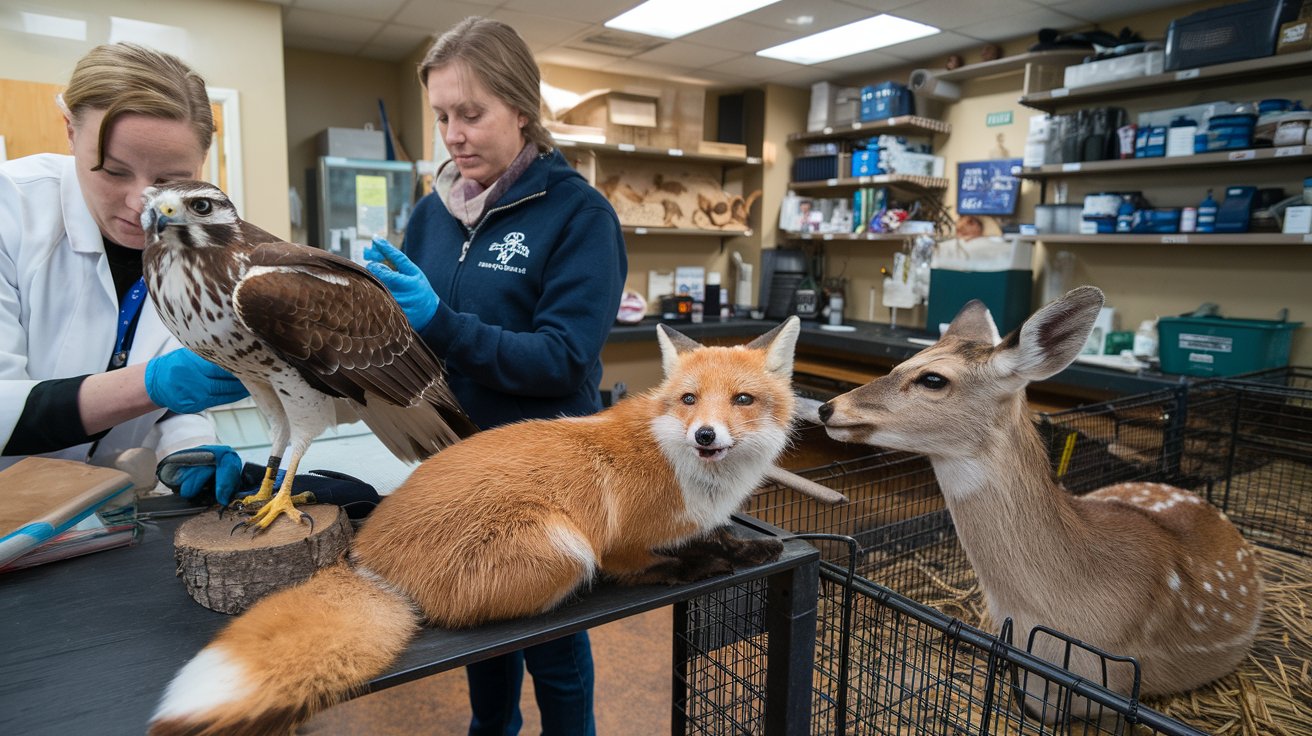
A wildlife rehabilitation center provides critical care for injured, orphaned, or sick wild animals with the goal of returning them to their natural habitat. These specialized facilities operate across the United States, staffed by licensed professionals who dedicate their expertise to wildlife conservation and animal welfare.
What is Wildlife Rehabilitation and Its Purpose
Wildlife rehabilitation is the process of providing medical care, housing, and behavioral conditioning to wild animals that have been injured, orphaned, or displaced due to human activities, disease, or natural disasters. The primary goal is to restore these animals to a condition where they can survive independently in their natural habitat. In 2024, over 15,000 licensed wildlife rehabilitators operate across the United States, treating approximately 250,000 wild animals annually according to the National Wildlife Rehabilitators Association.
The rehabilitation process involves several stages, including initial assessment, medical treatment, physical therapy, and behavioral conditioning. Licensed wildlife professionals work closely with veterinarians to ensure proper medical care while maintaining the wild nature of the animals. This approach differs significantly from domestic animal care, as the ultimate objective is release rather than permanent captivity or domestication.
Finding a Licensed Wildlife Rehabilitation Center
Locating a qualified wildlife rehabilitation center requires understanding the licensing and certification requirements that vary by state. Each facility must obtain proper permits from both state wildlife agencies and the U.S. Fish and Wildlife Service for migratory birds and endangered species. In 2024, approximately 3,200 licensed facilities operate nationwide, with the highest concentrations in California, Texas, Florida, and New York.
State-by-State Rehabilitation Resources
Each state maintains a database of licensed wildlife rehabilitators and facilities. Major states like New York house over 200 licensed rehabilitation centers, while smaller states typically have 20-50 facilities. State wildlife agencies provide online directories that include contact information, species specializations, and current capacity status. These resources are updated quarterly to ensure accuracy for emergency situations.
Specialized Wildlife Centers by Animal Type
Many wildlife rehabilitation centers specialize in specific animal groups such as raptors, waterfowl, marine mammals, or small mammals. Bird rehabilitation centers are most common, comprising 60% of all facilities, followed by mammal specialists at 25%, and mixed-species centers at 15%. Specialized facilities often achieve higher success rates due to their focused expertise and species-specific equipment.
Wildlife Rehabilitation Services and Costs
Most wildlife rehabilitation centers operate as non-profit organizations and do not charge the public for accepting injured animals. However, the actual cost of rehabilitation varies significantly based on the species, injury severity, and length of care required. In 2024, the average cost per animal ranges from $150 for small songbirds to over $2,000 for large raptors or mammals requiring extended care.
Emergency Wildlife Services
Many centers provide 24-hour hotlines for wildlife emergencies, with trained staff offering immediate guidance for handling injured animals safely. Emergency services include phone consultations, field rescues when necessary, and priority intake for critically injured animals. Some larger facilities maintain ambulance services staffed by licensed rehabilitators for complex rescue situations.
Educational Programs and Outreach
Wildlife rehabilitation centers serve as educational hubs, offering programs that teach wildlife conservation, proper human-wildlife interaction, and injury prevention. In 2024, these facilities collectively reach over 500,000 students and community members annually through school visits, public presentations, and on-site educational events featuring non-releasable wildlife ambassadors.
Career Opportunities in Wildlife Rehabilitation
The field of wildlife rehabilitation offers diverse career paths, from entry-level care positions to specialized veterinary roles. Entry-level positions typically start at $25,000-$35,000 annually, while experienced rehabilitators can earn $45,000-$65,000. The highest-paid positions are wildlife rehabilitation center directors and specialized veterinarians, who can earn $75,000-$120,000 annually depending on facility size and location.
Education and Certification Requirements
Becoming a licensed wildlife rehabilitator requires completion of state-approved training programs, typically 40-100 hours of coursework covering wildlife biology, medical care, legal requirements, and handling techniques. Most states require annual continuing education credits and facility inspections. Many professionals also pursue additional certifications through organizations like the National Wildlife Rehabilitators Association.
Volunteer Opportunities and Training
Wildlife rehabilitation centers rely heavily on volunteers, with most facilities maintaining 10-50 regular volunteers who assist with animal care, facility maintenance, and educational programs. Volunteer training typically involves 20-40 hours of initial instruction followed by supervised hands-on experience. Many volunteers eventually pursue formal licensing to advance their involvement in wildlife care.
What to Do When You Find Injured Wildlife
When encountering injured wildlife, immediate assessment and appropriate action can mean the difference between life and death for the animal. The first step is determining whether intervention is actually necessary, as many young animals that appear orphaned are simply waiting for their parents to return. True emergencies include visible injuries, bleeding, apparent paralysis, or animals found with deceased parents nearby.
Safe capture and transport require proper techniques to minimize stress and prevent further injury to both the animal and rescuer. Use thick gloves or towels for protection, approach calmly, and place the animal in a well-ventilated, dark container lined with soft cloth. Never attempt to give food or water unless specifically instructed by a wildlife rehabilitator, as improper nutrition can cause additional harm.
Common Wildlife Species in Rehabilitation
Songbirds represent the largest category of animals brought to wildlife rehabilitation centers, accounting for approximately 40% of all intakes. Window strikes, cat attacks, and nest displacement are the primary causes of songbird injuries. Raptors, including hawks, owls, and eagles, comprise about 15% of intakes, with vehicle strikes and power line electrocutions being common injury causes.
Mammal Rehabilitation Challenges
Small mammals like squirrels, raccoons, and opossums present unique challenges in wildlife rehabilitation due to their complex social behaviors and specific dietary requirements. These animals require careful handling to prevent imprinting on humans, which would make them unsuitable for release. Success rates for mammal rehabilitation average 65-75%, with orphaned young having higher success rates than injured adults.
Waterfowl and Marine Animal Care
Waterfowl rehabilitation requires specialized facilities with appropriate water features for swimming and diving practice. Oil spill response teams work closely with wildlife rehabilitation centers to treat contaminated birds, using specialized cleaning techniques and long-term care protocols. Marine mammal rehabilitation, while less common inland, requires federal permits and extensive veterinary resources.
Success Rates and Release Statistics
Wildlife rehabilitation centers across the United States achieve an average release rate of 65-70% for all species combined, with significant variation based on injury type and species. Bird rehabilitation shows the highest success rates at 75%, while mammal rehabilitation averages 60-65%. These statistics reflect the challenging nature of wildlife medicine and the commitment of rehabilitation professionals to maintaining high standards for animal welfare.
Long-term tracking studies indicate that properly rehabilitated animals maintain survival rates comparable to their wild counterparts for at least one year post-release. Advanced techniques including radio telemetry and GPS tracking help researchers monitor released animals and improve rehabilitation protocols based on real-world outcomes.
Related video about wildlife rehabilitation center
This video complements the article information with a practical visual demonstration.
Your questions answered
Do wildlife rehabilitators charge for their services?
Most wildlife rehabilitation centers do not charge the public for accepting injured animals, as they operate as non-profit organizations. However, the actual cost of care ranges from $150-$2,000 per animal depending on species and injury severity. Facilities rely on donations, grants, and volunteer support to cover these expenses.
What is the highest salary for a wildlife rehabilitator?
The highest-paid wildlife rehabilitation professionals are facility directors and specialized veterinarians, earning $75,000-$120,000 annually. Most licensed rehabilitators earn $45,000-$65,000 per year, while entry-level positions start at $25,000-$35,000. Salaries vary significantly based on location, facility size, and level of responsibility.
Who should I call for injured wildlife near me?
Contact your state wildlife agency for a directory of licensed wildlife rehabilitators in your area. Many states maintain 24-hour hotlines for wildlife emergencies. You can also search online directories provided by the National Wildlife Rehabilitators Association or contact local animal control agencies for referrals to nearby rehabilitation centers.
What qualifications are needed to become a wildlife rehabilitator?
Wildlife rehabilitators must complete state-approved training programs typically requiring 40-100 hours of coursework covering wildlife biology, medical care, and legal requirements. Most states require annual continuing education and facility inspections. Many professionals also pursue additional certifications through national wildlife rehabilitation organizations.
How long does wildlife rehabilitation typically take?
Rehabilitation time varies greatly depending on the species, age, and injury type. Simple injuries may require only days or weeks, while complex fractures or orphaned young animals may need several months of care. The average rehabilitation period is 6-8 weeks, with some cases extending to 6 months for complete recovery and conditioning.
Can I keep a wild animal I rehabilitate as a pet?
No, keeping wild animals as pets is illegal in most states and goes against the fundamental principles of wildlife rehabilitation. The goal is always to return animals to their natural habitat once they can survive independently. Licensed rehabilitators are specifically trained to prevent human imprinting and maintain the wild nature of animals in their care.
| Key Aspect | Important Details | Benefit |
|---|---|---|
| Licensed Centers | 3,200+ facilities nationwide | Professional care standards |
| Success Rate | 65-75% release rate average | Effective wildlife conservation |
| Cost to Public | Usually free of charge | Accessible wildlife assistance |
| Annual Treatments | 250,000+ animals treated | Significant wildlife impact |