Wildlife Conservation Day 2025: Complete Guide & Activities
Wildlife Conservation Day represents a crucial annual observance dedicated to protecting endangered species and preserving natural habitats across the United States. This comprehensive guide explores Wildlife Conservation Day 2025 activities, themes, and actionable ways Americans can contribute to wildlife protection efforts in their communities.
What is Wildlife Conservation Day and When is it Celebrated
World Wildlife Conservation Day is observed on December 4th annually, serving as a global platform to raise awareness about endangered species and habitat preservation. In the United States, this day coincides with multiple conservation initiatives throughout the year, including National Wildlife Week in March and Wild About Wildlife Month. The observance emphasizes the critical need for immediate action to protect America’s diverse ecosystems, from coastal wetlands to mountain forests.
The significance of wildlife conservation day has grown substantially in recent years as the United States faces unprecedented challenges to its native species. According to the U.S. Fish and Wildlife Service, over 1,600 species are currently listed as endangered or threatened under the Endangered Species Act as of 2024, highlighting the urgent need for comprehensive conservation strategies.
World Wildlife Day Theme 2025
The World Wildlife Day theme 2025 focuses on ‘Connecting People and Planet: Exploring Digital Innovation in Wildlife Conservation.’ This theme emphasizes how technology and digital platforms can enhance conservation efforts across American wildlife refuges and protected areas. From drone monitoring systems to citizen science apps, the 2025 theme encourages Americans to leverage technology for wildlife protection.
National Wildlife Day vs Wildlife Conservation Day
National Wildlife Day occurs on September 4th, focusing specifically on American wildlife species and habitats. While World Wildlife Conservation Day on December 4th takes a global perspective, National Wildlife Day concentrates on domestic conservation challenges such as protecting migratory bird corridors, maintaining pollinator habitats, and preserving critical wildlife refuges across the United States.
Wildlife Conservation Day Activities for Americans
Participating in Wildlife Conservation Day activities provides meaningful ways for Americans to contribute to species protection and habitat preservation. These activities range from simple household actions to community-wide conservation initiatives that create lasting environmental impact.
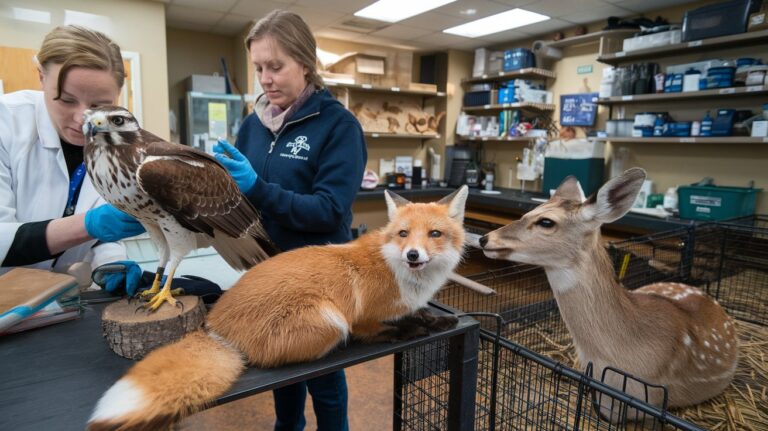
Educational programs represent one of the most accessible wildlife conservation day activities for families and individuals. Many national wildlife refuges across the United States organize special events, guided tours, and interactive workshops during December. These programs teach participants about local ecosystems, endangered species recovery efforts, and practical conservation techniques they can implement at home.
Community Conservation Projects
Local conservation projects offer hands-on opportunities for Americans to make direct environmental impact. Community initiatives include native plant restoration, invasive species removal, wildlife corridor creation, and habitat monitoring programs. Organizations like the National Wildlife Federation coordinate volunteer opportunities across all 50 states, enabling participants to contribute to meaningful conservation work in their local areas.
Digital Conservation Initiatives
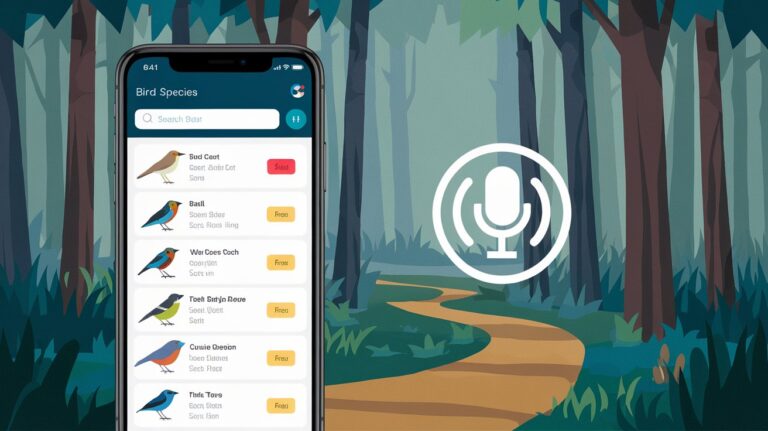
Technology-based wildlife conservation day activities allow Americans to participate in conservation efforts from anywhere. Citizen science apps like iNaturalist enable users to document wildlife observations, contributing valuable data to research institutions. eBird allows birdwatchers to report sightings that inform migration pattern studies and habitat protection decisions across the United States.
Major U.S. Wildlife Refuges and Conservation Partnerships
The United States maintains an extensive network of wildlife refuges and conservation partnerships that serve as focal points for Wildlife Conservation Day activities. These protected areas demonstrate successful conservation models while providing educational opportunities for Americans to learn about ecosystem preservation and species recovery programs.
Urban Wildlife Refuge Partnerships
Urban wildlife refuge partnerships represent innovative approaches to conservation in metropolitan areas across the United States. The Masonville Cove Urban Wildlife Refuge Partnership in Baltimore demonstrates how cities can integrate wildlife protection with urban development. Similarly, Providence Parks Urban Wildlife Refuge Partnership showcases successful collaboration between municipal governments and federal agencies to create wildlife corridors within urban environments.
National Wildlife Refuges Leading Conservation Efforts
Prominent wildlife refuges across America exemplify successful conservation strategies during Wildlife Conservation Day 2025. Valle de Oro National Wildlife Refuge in New Mexico focuses on restoring native grassland ecosystems while providing educational programs about southwestern biodiversity. The Detroit River International Wildlife Refuge spans Michigan and Ontario, demonstrating international cooperation in protecting migratory bird habitats along the Great Lakes corridor.
Wildlife Conservation Statistics and Impact in 2024-2025
Current wildlife conservation statistics reveal both challenges and successes in American species protection efforts during 2024-2025. The U.S. Fish and Wildlife Service reports that recovery programs have successfully removed 54 species from the endangered species list since the Act’s inception, demonstrating the effectiveness of comprehensive conservation strategies when properly implemented and funded.
However, wildlife populations continue facing significant pressures from habitat loss, climate change, and human development. The 2024 State of the Birds report indicates that North American bird populations have declined by approximately 3 billion individuals since 1970, emphasizing the critical importance of immediate conservation action during Wildlife Conservation Day 2025 and beyond.
Endangered Species Recovery Success Stories
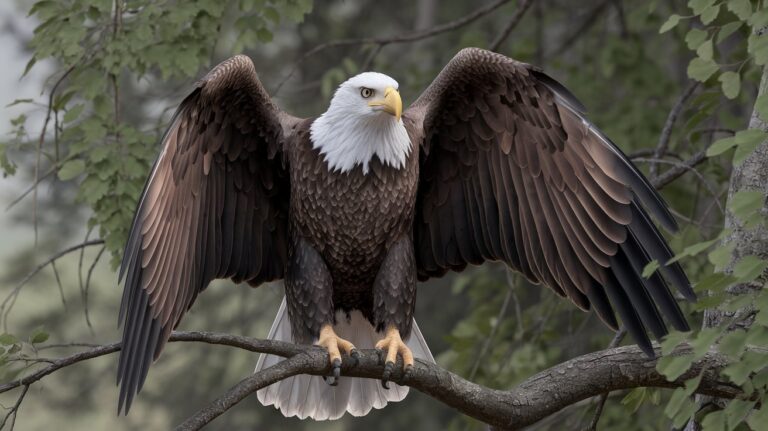
American conservation efforts have achieved remarkable success stories that inspire continued Wildlife Conservation Day participation. The bald eagle population recovery represents one of the most celebrated achievements, with populations increasing from fewer than 500 breeding pairs in the 1960s to over 70,000 breeding pairs by 2024. Gray wolf reintroduction programs in Yellowstone National Park have restored ecosystem balance while creating sustainable wildlife viewing opportunities.
Current Conservation Challenges
Contemporary wildlife conservation challenges require innovative solutions and increased public participation during Wildlife Conservation Day activities. Climate change continues altering migration patterns, breeding seasons, and habitat availability for numerous species. Pollinator populations face particular threats from pesticide use, habitat fragmentation, and disease, with native bee species experiencing significant population declines across agricultural regions of the United States.
How to Participate in Wildlife Conservation Day 2025
Americans can participate in Wildlife Conservation Day 2025 through various meaningful actions that contribute to species protection and habitat preservation. Individual participation combines personal lifestyle changes with community engagement to create collective conservation impact throughout December and beyond.
Creating wildlife-friendly spaces represents one of the most accessible ways to observe wildlife conservation day at home. Native plant gardens provide food and shelter for local wildlife while reducing maintenance requirements and water usage. Installing bird houses, bee hotels, and butterfly gardens transforms residential properties into valuable habitat corridors that support biodiversity in suburban and urban environments across America.
Educational Outreach and Awareness
Educational initiatives amplify the impact of Wildlife Conservation Day 2025 by spreading awareness about conservation needs and opportunities. Schools, libraries, and community centers across the United States organize special presentations, documentary screenings, and interactive exhibits during December. These educational programs help Americans understand local wildlife challenges while providing practical guidance for supporting conservation efforts in their communities.
Supporting Conservation Organizations
Financial and volunteer support for conservation organizations multiplies individual impact during Wildlife Conservation Day and throughout the year. National organizations like the Wildlife Conservation Society, Defenders of Wildlife, and the National Audubon Society coordinate large-scale protection efforts while local wildlife rehabilitators provide direct species assistance. Americans can contribute through monetary donations, volunteer time, or advocacy efforts that influence conservation policy at state and federal levels.
Related video about wildlife conservation day
This video complements the article information with a practical visual demonstration.
Essential Q&A about wildlife conservation day
What is World Wildlife Conservation Day?
World Wildlife Conservation Day is observed annually on December 4th to raise global awareness about endangered species and habitat preservation. The day encourages individuals, organizations, and governments to take action protecting wildlife through conservation programs, education initiatives, and policy advocacy. In the United States, the observance coincides with various national wildlife protection efforts throughout the year.
What day is National Wildlife Day?
National Wildlife Day is celebrated on September 4th each year, focusing specifically on American wildlife species and domestic conservation challenges. Unlike World Wildlife Conservation Day in December, National Wildlife Day emphasizes protecting native U.S. species, maintaining migratory corridors, and preserving critical habitats across American ecosystems from coast to coast.
What is the theme of Wildlife Day 2025?
The World Wildlife Day theme 2025 is ‘Connecting People and Planet: Exploring Digital Innovation in Wildlife Conservation.’ This theme highlights how technology and digital platforms can enhance conservation efforts, from drone monitoring systems to citizen science applications. The theme encourages Americans to leverage technological solutions for wildlife protection and habitat preservation.
What is National Conservation Day?
While there isn’t a single designated National Conservation Day in the United States, multiple conservation observances occur throughout the year including National Wildlife Week in March, Earth Day in April, and World Nature Conservation Day in July. These various conservation days work together to maintain year-round awareness about environmental protection and species preservation needs.
How can Americans participate in Wildlife Conservation Day activities?
Americans can participate through educational programs at national wildlife refuges, community conservation projects, creating wildlife-friendly gardens at home, using citizen science apps to document wildlife observations, volunteering with local conservation organizations, and supporting wildlife protection policies. Many activities are family-friendly and accessible to participants of all ages and experience levels.
What are some successful wildlife conservation examples in the United States?
Notable American conservation successes include bald eagle population recovery from fewer than 500 breeding pairs in the 1960s to over 70,000 pairs by 2024, gray wolf reintroduction in Yellowstone National Park, and the removal of 54 species from the endangered species list since the Endangered Species Act’s inception. These examples demonstrate the effectiveness of comprehensive conservation programs when properly funded and implemented.
| Conservation Aspect | Key Details | Benefit |
|---|---|---|
| Wildlife Conservation Day | December 4th annual observance | Global awareness and action |
| National Wildlife Refuges | 568 refuges across United States | Protected habitat preservation |
| Citizen Science Apps | iNaturalist and eBird platforms | Data collection and engagement |
| Species Recovery | 54 species delisted since ESA | Ecosystem restoration success |