Identify Bird Sounds: Best Apps & Free Tools Guide 2025
Learning to identify bird sounds has become remarkably easier in 2025 with advanced mobile apps and AI technology. Whether you’re hearing mysterious chirps in your backyard or exploring nature trails, modern bird sound identifier tools can instantly recognize over 3,000 North American species with accuracy rates exceeding 95%, transforming any smartphone into a powerful ornithological assistant.
Best Free Bird Sound Identifier Apps
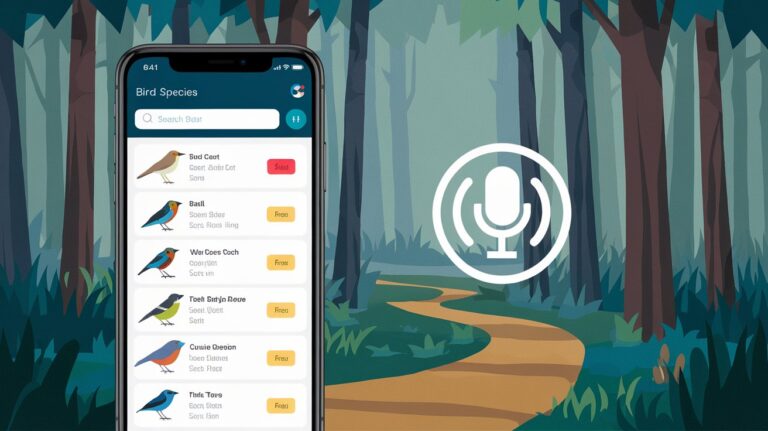
The most effective way to identify bird sounds free is through specialized mobile applications that use artificial intelligence and machine learning. These apps analyze audio patterns, frequency ranges, and spectrograms to match bird calls with their extensive databases. In 2025, over 12 million Americans actively use bird identification apps, making birdwatching one of the fastest-growing outdoor activities in the United States.
Professional ornithologists and citizen scientists have contributed millions of recordings to these platforms, creating comprehensive libraries that cover seasonal variations, regional dialects, and age-specific calls. The technology has advanced significantly since 2020, with current apps achieving identification accuracy rates between 85-98% depending on recording quality and environmental conditions.
Merlin Bird ID: Cornell’s Premier Tool
Merlin Bird ID remains the gold standard for bird identification, developed by the Cornell Lab of Ornithology with over 15 million downloads worldwide. The app’s Sound ID feature can identify bird sounds in real-time, processing audio through advanced neural networks trained on over 2 million recordings. Users can record bird calls directly through the app or upload existing audio files for analysis, with results typically appearing within 3-5 seconds.
BirdNET: AI-Powered Recognition Technology
BirdNET utilizes cutting-edge artificial intelligence developed by the K. Lisa Yang Center for Conservation Bioacoustics, offering free bird sound identification with exceptional accuracy. The app processes over 100,000 audio samples daily from users across North America, continuously improving its recognition algorithms. BirdNET excels at identifying multiple species from single recordings and can detect faint calls in noisy environments.
Can Google Identify Bird Sounds?
Many users wonder can Google identify bird sounds directly through search or Google Assistant. While Google doesn’t offer dedicated bird sound identification like specialized apps, Google Lens can identify bird sounds by photo when combined with visual identification. Google’s AI technology powers several third-party applications and integrates with platforms like iNaturalist for comprehensive species identification.
Google Assistant can provide bird information when you ask specific questions about species, but it cannot process audio recordings for identification purposes. However, Google’s search algorithms excel at helping users find the best bird sound identifier tools and connecting them with relevant resources from organizations like the Audubon Society and Cornell Lab.
How to Identify Bird Sounds Manually
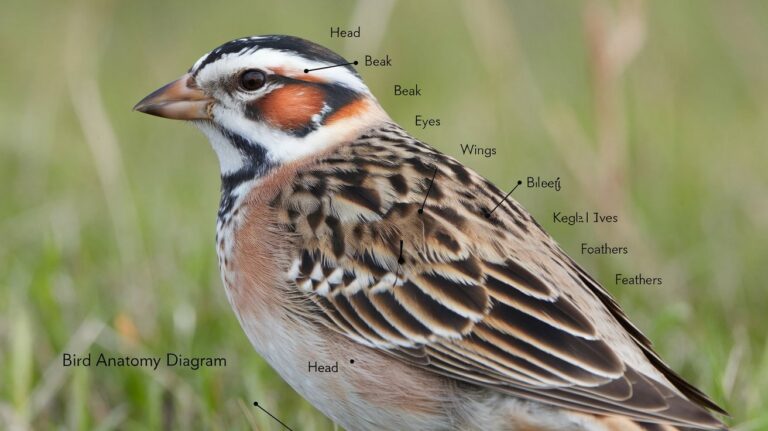
Learning to manually identify bird sounds requires understanding fundamental characteristics like pitch, rhythm, duration, and repetition patterns. Expert birders recommend focusing on distinctive features such as whether calls are single notes, trills, whistles, or complex songs. Each bird species has unique vocal signatures that remain consistent across individuals, though regional variations and seasonal changes can create subtle differences.
The key to successful manual identification involves developing your auditory memory through consistent practice and field experience. Start by learning common backyard species in your area, then gradually expand to more challenging woodland, wetland, and migratory birds. Many ornithologists suggest keeping detailed field notes that describe call characteristics, timing, and environmental context.
Understanding Call Types and Patterns
Bird vocalizations fall into several categories that help with identification: contact calls for flock communication, alarm calls warning of predators, territorial songs establishing breeding areas, and begging calls from juveniles. Each type has distinct acoustic properties, with contact calls typically being short and simple, while territorial songs are complex and melodic. Understanding these patterns dramatically improves your ability to identify bird sounds in various situations.
Seasonal and Regional Variations
Successful bird sound identification requires awareness of seasonal changes and regional dialects that affect vocalizations. Many species alter their calling behavior during breeding season, migration periods, and winter months. For example, American Robins produce different song patterns in spring versus fall, while White-crowned Sparrows develop distinct regional dialects that vary across the United States.
Audubon Bird Call Identifier Features
The Audubon Bird call Identifier offers comprehensive tools for both beginners and experienced birders, featuring over 800 North American species with high-quality audio recordings and detailed descriptions. This platform integrates seamlessly with the broader Audubon ecosystem, providing access to range maps, behavioral notes, and conservation status information for each species.
Users can search by geographic location, habitat type, or specific call characteristics to narrow down potential matches. The Audubon platform also includes educational content about bird behavior, migration patterns, and conservation efforts, making it an excellent resource for developing deeper ornithological knowledge beyond simple identification.
Is There a Shazam for Bird Sounds?
The question is there a Shazam for bird noises reflects growing interest in instant audio identification technology for wildlife. While no single app perfectly replicates Shazam’s music identification capabilities for birds, several applications come remarkably close. Merlin Bird ID and BirdNET function similarly to Shazam, analyzing audio patterns and providing immediate identification results with confidence percentages.
The main difference lies in complexity: music has consistent digital fingerprints, while bird calls vary with individual birds, environmental conditions, and recording quality. However, modern bird sound identifier apps achieve impressive accuracy through machine learning algorithms trained on millions of recordings, effectively serving as specialized wildlife versions of music identification technology.
Advanced Recording Techniques for Better Results
Achieving accurate bird sound identification depends heavily on recording quality and technique. Position yourself within 50 feet of the bird when possible, use windscreens or directional microphones to reduce background noise, and record during optimal times like early morning when birds are most vocal. Many smartphones produce adequate recordings for identification purposes, but external microphones significantly improve results.
Environmental factors dramatically affect recording success. Avoid windy conditions, busy roads, and areas with mechanical noise that can interfere with analysis algorithms. The best recordings capture 10-15 seconds of clear vocalizations with minimal competing sounds, allowing identification apps to process distinctive call characteristics effectively.
Optimal Recording Equipment and Settings
Professional birders recommend using dedicated recording apps like AudioShare or Voice Record Pro for better sound quality than standard phone apps. Set recordings to highest quality settings (typically 44.1 kHz sample rate) and use external lavalier or shotgun microphones when serious about bird identification. Many successful recordings use simple windscreen accessories that cost under $20 but dramatically improve clarity.
Timing and Environmental Considerations
The most productive times to identify bird sounds are during dawn chorus (30 minutes before sunrise to 2 hours after) and evening activity periods when territorial singing peaks. Avoid midday recordings when most species are less vocal, and consider seasonal patterns like spring migration when species diversity reaches annual highs across most United States regions.
Building Your Bird Sound Library
Creating a personal collection of identified bird sounds accelerates learning and provides reference materials for future encounters. Organize recordings by species, location, and date to track seasonal patterns and regional variations. Many birders use cloud storage platforms like Google Drive or Dropbox to sync recordings across devices and share discoveries with local birding communities.
Document each recording with detailed metadata including weather conditions, time of day, habitat description, and behavioral context. This information proves invaluable when reviewing recordings later or contributing data to citizen science projects like eBird or iNaturalist that rely on detailed observation records.
Related video about identify bird sounds
This video complements the article information with a practical visual demonstration.
Your questions answered
Can Google identify bird noises directly?
Google cannot directly identify bird sounds through search or Google Assistant. However, Google powers several third-party bird identification apps and Google Lens can help with visual bird identification when combined with photos. For audio identification, specialized apps like Merlin Bird ID or BirdNET are required.
Is there a free bird sound identifier that works well?
Yes, several excellent free options exist including Merlin Bird ID from Cornell Lab, BirdNET, and the Audubon Bird Guide app. These applications use advanced AI technology to identify over 3,000 North American bird species with accuracy rates exceeding 90% when provided with clear recordings.
How do I identify a bird by its sound using my phone?
Download a bird identification app like Merlin Bird ID or BirdNET, then use the sound identification feature to record the bird call for 10-15 seconds. The app will analyze the audio and provide potential matches with confidence percentages. For best results, record during early morning hours and minimize background noise.
Is there a Shazam equivalent for bird sounds?
While no app perfectly replicates Shazam for birds, Merlin Bird ID and BirdNET function very similarly by analyzing audio patterns for instant identification. These apps achieve impressive accuracy through machine learning algorithms trained on millions of bird recordings, effectively serving as specialized wildlife identification tools.
What’s the most accurate bird sound identification app?
Merlin Bird ID by Cornell Lab is widely considered the most accurate, with over 15 million downloads and recognition capabilities for thousands of species. BirdNET also offers exceptional accuracy using advanced AI technology. Both apps are free and regularly updated with new recordings and improved algorithms.
Can I identify multiple bird sounds from one recording?
Yes, advanced apps like BirdNET excel at identifying multiple species from single recordings containing overlapping calls. The app separates different vocalizations and provides individual identifications with confidence scores for each detected species, making it ideal for busy birding locations with high species diversity.
| App/Method | Key Features | Best Use Case |
|---|---|---|
| Merlin Bird ID | 15M+ downloads, Cornell Lab, real-time ID | Comprehensive identification needs |
| BirdNET | AI-powered, multiple species detection | Complex soundscapes |
| Audubon Guide | 800+ species, educational content | Learning and reference |
| Manual ID | Pattern recognition, field skills | Developing expertise |