Bird Watching Near Me: Best Local Spots & Beginner Guide 2025
Bird watching near you offers incredible opportunities to observe over 914 bird species found across the United States. Whether you’re a complete beginner or experienced birder, discovering local bird watching spots can transform your appreciation for nature. From urban parks to national wildlife refuges, birding locations are accessible within every community, making this rewarding hobby available to millions of Americans seeking outdoor recreation and wildlife observation.
Understanding Bird Watching vs Birding
The terms bird watching and birding are often used interchangeably, but experienced enthusiasts recognize subtle differences. Bird watching typically describes casual observation of birds in backyards, parks, or during nature walks, focusing on enjoyment and relaxation. This approach welcomes beginners who simply appreciate watching birds without intensive identification requirements.
Birding, conversely, represents a more dedicated pursuit involving systematic bird identification, species counting, and often participation in citizen science projects like eBird. Serious birders maintain life lists, travel specifically for rare species sightings, and contribute valuable data to ornithological research. Both approaches offer tremendous satisfaction, and many enthusiasts naturally progress from casual bird watching to dedicated birding as their interest deepens over time.
Best Places to Watch Birds Near You
Identifying prime bird watching locations requires understanding habitat diversity and seasonal bird migration patterns. Urban parks often provide surprising birding opportunities, hosting year-round residents and seasonal migrants. City parks with water features, mature trees, and varied vegetation attract diverse bird species throughout different seasons, making them excellent starting points for beginners.
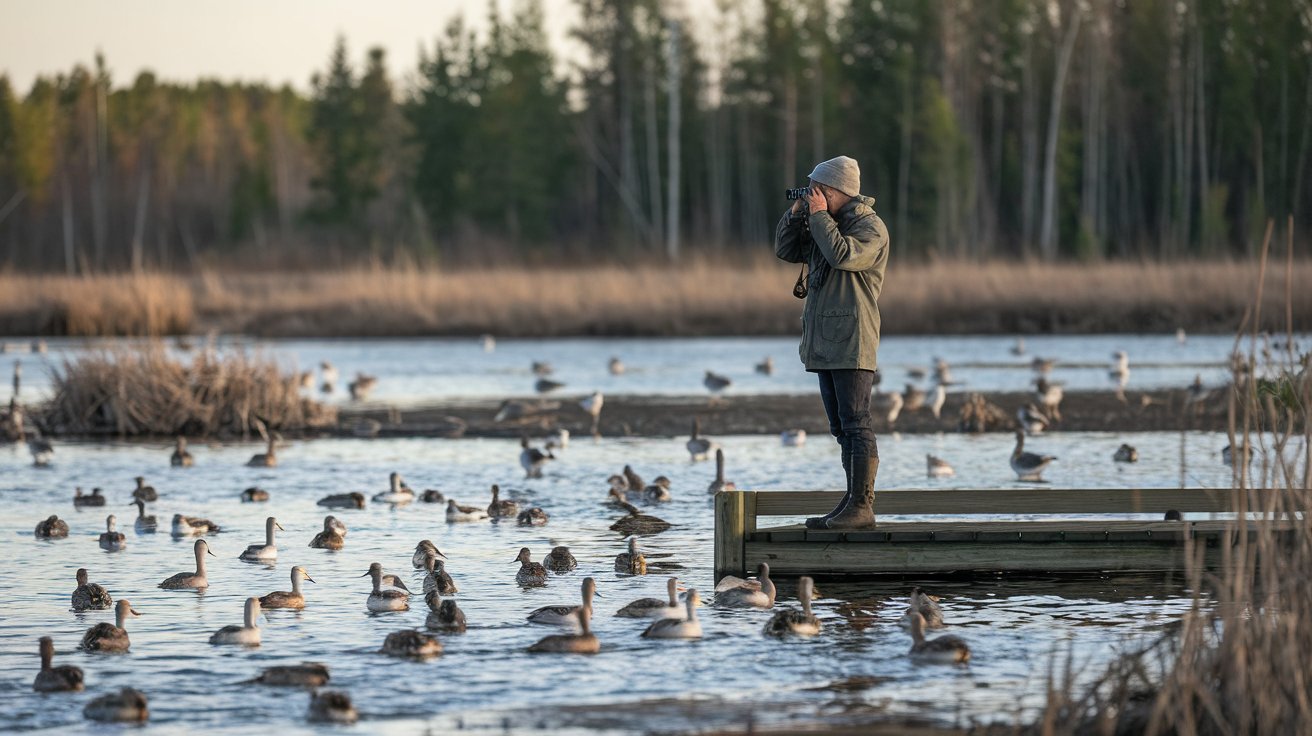
National Wildlife Refuges represent premier bird watching destinations, with over 568 refuges across America specifically managed for wildlife conservation. These protected areas offer exceptional birding experiences, from waterfowl concentrations during migration to rare species sightings. State parks, Audubon sanctuaries, and nature preserves also provide excellent opportunities for observing birds in natural habitats while supporting conservation efforts.
Urban Bird Watching Opportunities
Cities surprise many newcomers with abundant bird watching opportunities, supporting over 200 species in major metropolitan areas. Urban environments host adaptable birds like House Sparrows, Rock Pigeons, and American Robins year-round, while parks and green spaces attract seasonal visitors including warblers, thrushes, and raptors during migration periods.
Natural Areas and Wildlife Refuges
Natural areas provide the most rewarding birding experiences, offering diverse habitats that support specialized bird communities. Wetlands attract waterfowl, shorebirds, and wading birds, while forests host woodpeckers, songbirds, and raptors. Grasslands support different species including sparrows, meadowlarks, and birds of prey, creating varied bird watching opportunities within relatively small geographic areas.
Optimal Timing for Bird Watching
Understanding when to go bird watching dramatically improves observation success and species diversity encounters. Early morning hours, typically between sunrise and 10 AM, provide peak activity periods when birds actively feed, sing, and engage in territorial behaviors. During these hours, birding enthusiasts observe maximum species diversity and interesting behaviors that remain hidden during midday periods.
Seasonal timing profoundly impacts bird watching success, with spring and fall migrations offering spectacular opportunities to observe diverse species. Spring migration typically peaks from March through May across most United States regions, bringing colorful warblers, vireos, and flycatchers northward. Fall migration extends from August through October, featuring different plumages and often larger numbers of birds moving southward for winter survival.
Daily Activity Patterns
Most birds exhibit crepuscular activity patterns, meaning peak activity occurs during dawn and dusk hours when temperatures remain comfortable and insect prey becomes most active. Morning bird watching sessions typically yield higher species counts and more interesting behaviors, as birds actively forage after overnight fasting periods and engage in territorial singing to establish daily boundaries.
Seasonal Migration Windows
Spring migration creates exceptional birding opportunities as species return from southern wintering grounds, often in breeding plumage displaying vibrant colors. Fall migration typically offers larger numbers but more challenging identification due to duller plumages and mixed age groups. Weather fronts, particularly cold fronts in fall and warm fronts in spring, concentrate migrant birds and create remarkable bird watching days for dedicated enthusiasts.
Essential Equipment for Beginners
Starting bird watching requires minimal investment, making this hobby accessible to people across economic backgrounds. Quality binoculars represent the most important equipment investment, transforming distant bird observations into detailed viewing experiences. Entry-level binoculars in the 8×32 or 8×42 configuration provide excellent performance for beginners, offering bright images and comfortable handling during extended birding sessions.
Field guides remain invaluable resources despite smartphone app popularity, providing detailed illustrations, range maps, and behavioral information crucial for accurate bird identification. Regional field guides focus on local species, reducing confusion and improving identification success for beginners. Smartphone apps like Merlin Bird ID and eBird complement traditional guides, offering songs, calls, and real-time sighting data from local birding communities.
Backyard Bird Watching Setup
Creating attractive bird watching opportunities in home environments requires understanding basic bird needs: food, water, shelter, and nesting sites. Strategic feeder placement near windows allows comfortable indoor observation while providing reliable food sources that attract diverse species throughout seasons. Different feeder types attract specific bird groups, with tube feeders appealing to finches and chickadees, while platform feeders accommodate larger species like cardinals and jays.
Water features significantly enhance backyard birding success, as moving water sounds attract species that might otherwise bypass feeding stations. Simple dripping water systems, bird baths with fountains, or shallow pools create irresistible attractions for both resident and migrant birds. Native plant landscaping provides natural food sources, nesting materials, and shelter while reducing maintenance requirements and supporting local ecosystems that benefit bird populations long-term.
Feeder Types and Placement
Different bird species prefer specific feeder designs and food types, making strategic selection important for attracting diverse backyard visitors. Tube feeders with multiple perches accommodate small songbirds like goldfinches and nuthatches, while hopper feeders provide covered feeding areas preferred by cardinals and grosbeaks. Suet feeders attract woodpeckers and other insect-eating birds, particularly during winter months when natural insect sources become scarce.
Water Sources and Landscaping
Reliable water sources often prove more attractive than food offerings, drawing species that rarely visit feeders during bird watching sessions. Shallow water depths between one and three inches accommodate most songbirds safely, while gradually sloped edges allow different sized birds to access water comfortably. Native plants provide year-round benefits including seeds, berries, and nesting sites while requiring less maintenance than exotic landscaping options.
Bird Identification Tips for Beginners
Successful bird identification develops through systematic observation of key field marks including size, shape, behavior, and habitat preferences. Beginners should focus initially on obvious features like overall size relative to familiar species, bill shape indicating feeding preferences, and distinctive markings such as wing bars, eye rings, or tail patterns. Recording detailed observations in field notebooks improves retention and identification accuracy over time.
Behavioral observations often provide more reliable identification clues than physical features alone, particularly for distant sightings during bird watching sessions. Flight patterns, feeding behaviors, and social groupings offer valuable identification information that remains consistent across seasons and age groups. Understanding habitat preferences helps narrow identification possibilities significantly, as different species occupy specific environmental niches based on evolutionary adaptations and resource requirements.
Local Birding Communities and Resources
Joining local birding organizations accelerates learning while connecting enthusiasts with experienced mentors and regular group activities. Audubon chapters exist in most American communities, offering guided walks, educational programs, and conservation projects that benefit both beginners and experienced participants. These organizations maintain knowledge of prime local bird watching locations, seasonal timing, and rare species occurrences that individual observers might miss.
Online resources including eBird provide real-time sighting information from local areas, helping birders locate specific species and understand seasonal abundance patterns. Facebook groups, birding forums, and regional websites offer additional community connections and specialized information about local bird watching opportunities. Participating in citizen science projects like Christmas Bird Counts contributes valuable data while providing structured learning experiences for developing birders seeking to expand their skills and knowledge.
Safety and Ethics in Bird Watching
Responsible bird watching practices protect both wildlife and natural habitats while ensuring positive experiences for all participants. Maintaining appropriate distances prevents stress to birds, particularly during sensitive periods like nesting, feeding young, or roosting. Using recorded bird calls sparingly avoids disrupting natural behaviors and territorial boundaries that could affect breeding success or energy reserves needed for survival.
Respecting private property, following trail guidelines, and practicing Leave No Trace principles preserve birding access for future generations while protecting fragile ecosystems. Sharing sighting information responsibly through appropriate channels helps the broader birding community while avoiding overcrowding at sensitive locations. Supporting conservation organizations and habitat protection efforts ensures continued opportunities for bird watching while contributing to species preservation across changing environmental conditions.
Related video about bird watching near me
This video complements the article information with a practical visual demonstration.
Essential Q&A about bird watching near me
What is the difference between bird watching and birding?
Bird watching typically refers to casual observation of birds for enjoyment and relaxation, often in backyards or local parks. Birding represents a more dedicated pursuit involving systematic identification, species counting, life listing, and often participation in citizen science projects. Both approaches offer rewarding experiences, with many people naturally progressing from casual watching to dedicated birding as their interest develops.
Where is the best place to watch birds?
The best bird watching locations combine diverse habitats, reliable water sources, and seasonal food availability. Urban parks, National Wildlife Refuges, state parks, and Audubon sanctuaries offer excellent opportunities. Areas with mixed habitats like wetlands adjacent to forests provide the greatest species diversity. Local birding groups and eBird data help identify prime locations near specific areas.
What is the best time to go bird watching?
Early morning hours between sunrise and 10 AM provide optimal bird watching conditions when birds are most active, feeding, and singing. Spring migration (March-May) and fall migration (August-October) offer peak species diversity. Weather fronts, particularly cold fronts in fall and warm fronts in spring, create exceptional birding opportunities by concentrating migrant species.
How to birdwatch for beginners?
Beginners should start with quality binoculars (8×32 or 8×42), a regional field guide, and comfortable outdoor clothing. Focus on common backyard species first, then gradually explore local parks and nature areas. Join local Audubon chapters or birding groups for guided walks and mentorship. Start a life list and use apps like Merlin Bird ID for identification assistance and skill development.
What equipment do I need to start bird watching?
Essential bird watching equipment includes quality binoculars (8×32 or 8×42 recommended), a regional field guide, and comfortable outdoor clothing. Optional items include a notebook for recording observations, smartphone apps like Merlin Bird ID, and a camera with telephoto lens. Start with basic equipment and upgrade as interest and skill levels develop through regular birding experiences.
How can I attract more birds to my backyard?
Attract more birds by providing food through diverse feeder types, reliable water sources like bird baths or dripping features, and shelter through native plants. Different feeders attract specific species – tube feeders for finches, platform feeders for cardinals, suet feeders for woodpeckers. Native landscaping provides natural food sources, nesting sites, and shelter while supporting local ecosystems year-round.
| Bird Watching Aspect | Key Details | Benefits |
|---|---|---|
| Best Timing | Early morning (sunrise-10 AM), spring/fall migration | Maximum species diversity and activity |
| Essential Equipment | 8×32 binoculars, regional field guide, comfortable clothing | Enhanced observation and accurate identification |
| Prime Locations | Urban parks, wildlife refuges, diverse habitats | Access to varied species and skill development |
| Community Resources | Local Audubon chapters, eBird, birding groups | Mentorship, local knowledge, conservation support |