What is the Endangered Species Act? Complete 2025 Guide
The Endangered Species Act (ESA) is a landmark federal law enacted in 1973 that provides critical protection for plants and animals at risk of extinction. This comprehensive legislation serves as America’s safety net for wildlife, plants, and fish hovering on the brink of disappearing forever. The Act currently protects over 1,600 species in the United States and has successfully prevented the extinction of 99% of listed species since its implementation.
Understanding the Endangered Species Act of 1973
The Endangered Species Act of 1973 represents one of the most powerful environmental laws in the United States. Signed into law by President Nixon on December 28, 1973, this federal legislation replaced earlier, less comprehensive wildlife protection efforts. The Act recognizes that various species of fish, wildlife, and plants have been rendered extinct due to economic growth and development, making their conservation a national priority.
This groundbreaking law operates under the principle that endangered and threatened species are of aesthetic, ecological, educational, historical, recreational, and scientific value to the nation and its people. The Act’s authority extends across all federal agencies, requiring them to ensure their actions do not jeopardize listed species or destroy critical habitats.
What Does the Endangered Species Act Do?
The Endangered Species Act serves multiple critical functions in protecting biodiversity across the United States. Primarily, it provides a legal framework for identifying, listing, and protecting species at risk of extinction. The Act prohibits the taking, importing, exporting, or selling of endangered species and regulates activities that might harm these species or their habitats.
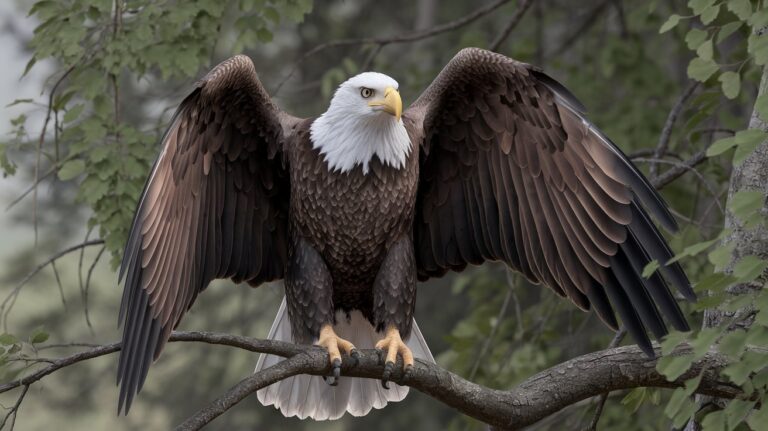
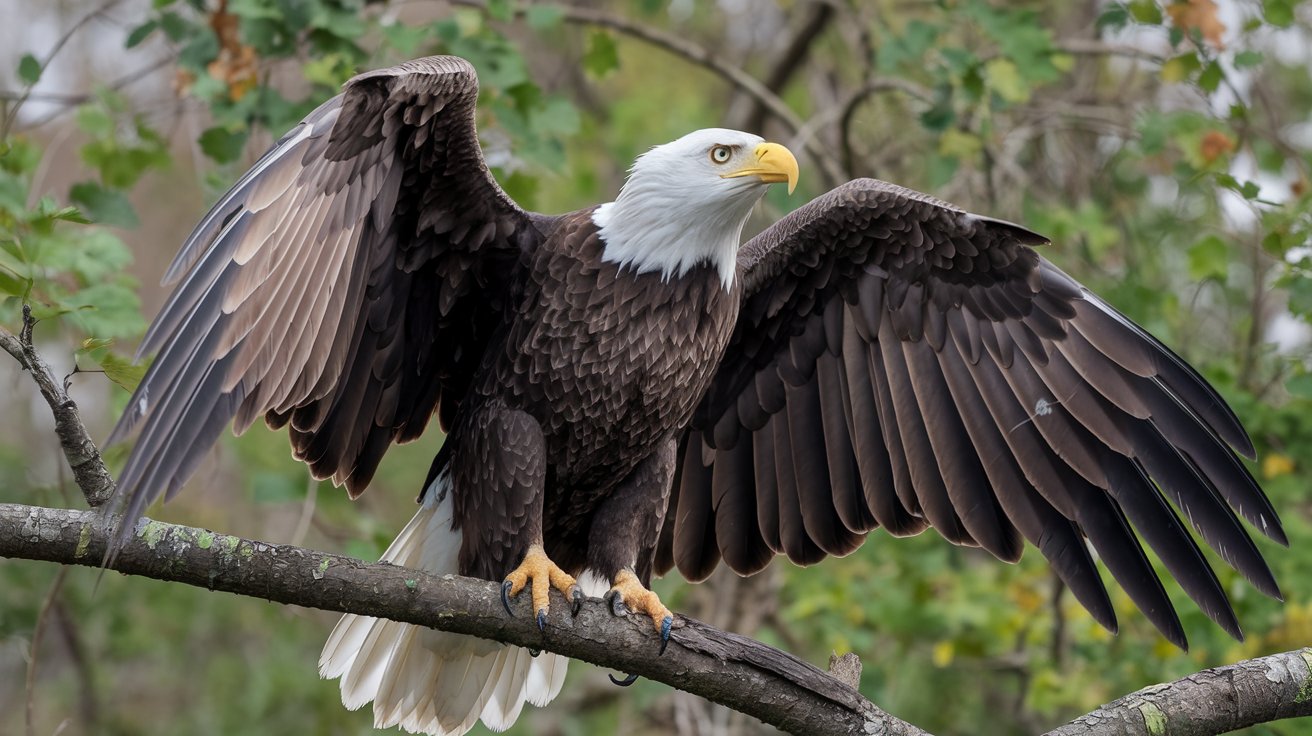
Beyond species protection, the ESA mandates the development of recovery plans for listed species, requiring federal agencies to outline specific steps for species recovery. The law also establishes critical habitat designations, protecting essential areas necessary for species survival and recovery. As of 2025, the Act has contributed to the recovery of iconic species including the bald eagle, gray whale, and American alligator.
Species Listing Process
The species listing process under the ESA involves rigorous scientific evaluation to determine if a species qualifies for protection. The U.S. Fish and Wildlife Service and National Marine Fisheries Service review petitions and conduct comprehensive biological assessments. Species are classified as either endangered (in danger of extinction) or threatened (likely to become endangered), with over 1,600 species currently receiving federal protection in 2025.
Habitat Protection Measures
Critical habitat designation forms a cornerstone of ESA protection, covering approximately 87 million acres across the United States as of 2025. These designations identify specific geographic areas containing features essential for species conservation. Federal agencies must consult with wildlife services before undertaking projects that might affect critical habitats, ensuring endangered species protection remains a priority in development decisions.
The Three Main Parts of the Endangered Species Act
The Endangered Species Act operates through three fundamental components that work together to protect vulnerable species. Understanding these three main parts provides insight into how the law functions comprehensively to prevent extinctions and promote species recovery across the United States.
Species Listing and Classification
The first main part focuses on species listing and classification processes that determine which plants and animals receive federal protection. This component establishes criteria for listing species as endangered or threatened based solely on scientific evidence. The process involves public comment periods, peer review, and economic impact considerations, ensuring thorough evaluation before species receive ESA protection.
Prohibition of Harmful Activities
The second component establishes comprehensive prohibitions against taking endangered species, which includes harassing, harming, pursuing, hunting, shooting, wounding, killing, trapping, capturing, or collecting listed species. These prohibitions extend to habitat modification that significantly impairs essential behavioral patterns. Violations can result in criminal penalties up to $50,000 and one year imprisonment for individuals.
Recovery Planning and Implementation
The third main part requires development of recovery plans that outline specific actions necessary for species conservation and recovery. These plans establish measurable criteria for determining when species can be removed from the endangered list. Federal agencies must allocate resources for recovery plan implementation, with Congress appropriating over $1.8 billion for ESA programs in fiscal year 2024.
Who Enforces the Endangered Species Act
The enforcement of the Endangered Species Act falls primarily under two federal agencies: the U.S. Fish and Wildlife Service (USFWS) and the National Marine Fisheries Service (NMFS). The USFWS handles most terrestrial and freshwater species, while NMFS manages marine species and anadromous fish. Both agencies operate under the Department of the Interior and Department of Commerce respectively.
These agencies work collaboratively with state wildlife agencies, tribal governments, and private landowners to implement ESA protection measures. Enforcement includes investigating violations, issuing permits for scientific research, developing recovery plans, and conducting consultations with other federal agencies. In 2024, USFWS employed over 8,000 personnel dedicated to wildlife conservation and ESA implementation across 560 national wildlife refuges.
Is the Endangered Species Act Still Enforced in 2025?
Yes, the Endangered Species Act remains fully enforced in 2025, continuing to serve as America’s primary tool for preventing species extinctions. Recent updates have strengthened enforcement mechanisms while streamlining consultation processes to reduce regulatory burdens on private landowners. The Biden administration has prioritized ESA implementation, reversing several Trump-era modifications and increasing funding for species recovery programs.
Current enforcement data shows robust activity, with federal agencies processing over 13,000 consultation requests annually and maintaining protection for 1,677 species as of 2025. The Act continues adapting to modern challenges including climate change impacts on species habitats and incorporating advanced scientific methods in species assessments. New initiatives focus on proactive conservation efforts to prevent species from requiring ESA listing.
Why Was the Endangered Species Act Created?
The Endangered Species Act was created in response to growing awareness of widespread species extinctions caused by human activities. By the early 1970s, scientists documented accelerating biodiversity loss, with species disappearing at rates far exceeding natural extinction patterns. High-profile cases like the near-extinction of bald eagles due to DDT pesticide use galvanized public support for comprehensive wildlife protection legislation.
Congress recognized that existing conservation laws were inadequate to address the extinction crisis threatening America’s natural heritage. The Act emerged from bipartisan concern about species conservation and ecosystem health, with legislators understanding that biodiversity loss posed long-term threats to ecological stability and human welfare. Environmental movements of the 1960s and 1970s provided political momentum for this landmark conservation legislation.
International Aspects of the ESA
While the Endangered Species Act primarily governs domestic species protection, it incorporates significant international components through trade regulations and cooperation agreements. The Act implements the Convention on International Trade in Endangered Species of Wild Fauna and Flora (CITES), regulating import and export of protected species and their products.
International cooperation extends to migratory species protection, recognizing that many endangered animals cross national boundaries during their life cycles. The ESA facilitates collaborative conservation efforts with Canada, Mexico, and other nations for species like monarch butterflies, polar bears, and various seabird populations. These international provisions ensure American conservation efforts complement global biodiversity protection initiatives.
CITES Implementation
The ESA serves as the primary mechanism for CITES implementation in the United States, regulating international trade in over 38,000 species listed in CITES appendices. This includes strict controls on ivory imports, exotic pet trade, and traditional medicine ingredients derived from endangered species. Violations can result in significant penalties, with the U.S. issuing over $2.3 million in wildlife trafficking fines in 2024.
Cross-Border Conservation
Cross-border conservation initiatives under the ESA address transboundary species requiring coordinated protection efforts. Programs include joint monitoring of polar bear populations with Canada, collaborative jaguar conservation with Mexico, and shared responsibility for Pacific salmon runs. These partnerships demonstrate how domestic endangered species legislation contributes to international conservation success.
Success Stories and Impact of the ESA
The Endangered Species Act boasts remarkable conservation achievements since its enactment, preventing extinctions of 99% of listed species. Notable success stories include the recovery of bald eagles from 417 breeding pairs in 1963 to over 316,000 individuals today, leading to their removal from the endangered species list in 2007. The gray whale population has similarly recovered, growing from approximately 13,000 individuals to over 27,000.
Economic benefits of species conservation extend far beyond environmental protection, generating billions in ecosystem services and supporting wildlife-related tourism industries. The Act has facilitated recovery of American alligators, brown pelicans, and peregrine falcons, demonstrating that dedicated conservation efforts can reverse species decline. Current recovery efforts focus on high-profile species including Florida panthers, California condors, and various freshwater mussel species.
Related video about what is the endangered species act
This video complements the article information with a practical visual demonstration.
Everything you need to know about what is the endangered species act
What does the Endangered Species Act do?
The Endangered Species Act provides comprehensive protection for plants and animals at risk of extinction by prohibiting harmful activities, requiring federal agencies to avoid jeopardizing listed species, designating critical habitats, and developing recovery plans. The Act currently protects over 1,600 species and has prevented 99% of listed species from going extinct since 1973.
What are the three main parts of the Endangered Species Act?
The three main parts are: (1) Species listing and classification process based on scientific evidence, (2) Prohibition of taking, harming, or trading endangered species, and (3) Recovery planning and implementation with measurable criteria for species delisting. These components work together to provide comprehensive species protection and recovery.
Who enforces the Endangered Species Act?
The U.S. Fish and Wildlife Service enforces the ESA for terrestrial and freshwater species, while the National Marine Fisheries Service handles marine species and anadromous fish. Both agencies work with state wildlife agencies, tribal governments, and private landowners to implement protection measures and investigate violations.
Is the Endangered Species Act still enforced in 2025?
Yes, the Endangered Species Act remains fully enforced in 2025 with strengthened implementation under current federal administration. Agencies process over 13,000 consultation requests annually, maintain protection for 1,677 species, and have increased funding for recovery programs while adapting to modern challenges like climate change.
Why was the Endangered Species Act created?
The ESA was created in 1973 to address accelerating species extinctions caused by human activities, including habitat destruction and pollution. High-profile cases like bald eagle decline from DDT pesticide use demonstrated the need for comprehensive federal legislation to protect America’s biodiversity and prevent irreversible ecological losses.
Is the Endangered Species Act international?
While primarily domestic legislation, the ESA incorporates international components by implementing CITES trade regulations and facilitating cross-border conservation for migratory species. The Act regulates import/export of protected species and supports collaborative conservation efforts with Canada, Mexico, and other nations for transboundary species protection.
| ESA Component | Key Function | Conservation Benefit |
|---|---|---|
| Species Listing | Scientific evaluation and classification | Legal protection for 1,600+ species |
| Habitat Protection | Critical habitat designation | 87 million acres protected |
| Recovery Planning | Systematic species recovery | 99% extinction prevention rate |
| Enforcement | Federal agency implementation | $1.8 billion annual funding |