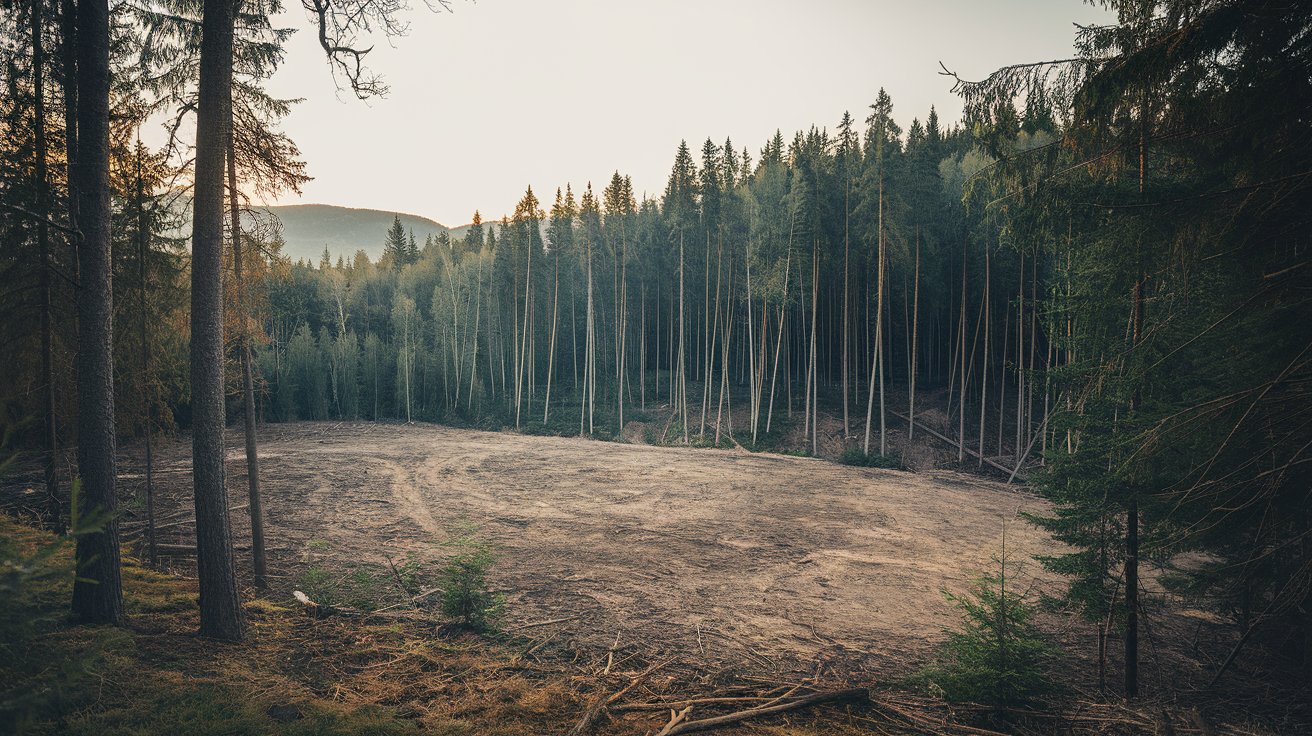
What Is Habitat Loss: Causes, Effects & Prevention 2025
Habitat loss refers to the destruction, degradation, or fragmentation of natural environments where wildlife species live and reproduce. This environmental crisis represents the primary threat to biodiversity worldwide, affecting over 85% of species listed under the Endangered Species Act in the United States. Understanding habitat loss is crucial for conservation efforts and environmental protection in 2025.
Understanding the Meaning of Habitat Loss
Habitat loss encompasses any process that renders natural environments unsuitable for the species that originally inhabited them. This environmental phenomenon occurs when ecosystems are completely destroyed, partially degraded, or fragmented into smaller, isolated patches. The meaning of habitat loss extends beyond simple destruction to include subtle changes that make areas uninhabitable for native species.
Scientists distinguish habitat loss from habitat degradation, though both processes often occur simultaneously. While habitat degradation involves the reduction in quality of existing habitats, complete habitat loss involves total elimination of suitable living spaces. In the United States, approximately 500 million acres of natural habitat have been lost since European colonization, representing nearly half of the country’s original ecosystems.
Three Types of Habitat Loss
Environmental scientists categorize habitat loss into three distinct types, each with unique characteristics and impacts on wildlife populations. Understanding these types of habitat loss helps conservationists develop targeted protection strategies for different ecosystems across America.
Habitat Destruction
Habitat destruction involves the complete elimination of natural environments, typically through human activities like urban development, mining, or intensive agriculture. This represents the most severe form of habitat loss, as it permanently removes ecosystems from the landscape. In the United States, urban sprawl destroys approximately 2.2 million acres of natural habitat annually, with California, Texas, and Florida experiencing the highest rates of destruction.
Habitat Fragmentation
Habitat fragmentation occurs when large, continuous habitats are broken into smaller, isolated patches separated by human-altered landscapes. This process creates edge effects, reduces population sizes, and limits species movement between habitat patches. The construction of highways, residential developments, and agricultural fields contributes to fragmentation, with over 60% of remaining forests in the continental United States now existing in fragments smaller than 500 acres.
Habitat Degradation
Habitat degradation involves the reduction in habitat quality without complete destruction, making environments less suitable for native species. Pollution, invasive species introduction, and altered water flow patterns contribute to degradation. Climate change intensifies this process, with rising temperatures and changing precipitation patterns affecting habitat quality across 40% of protected areas in the United States by 2024.
Major Causes of Habitat Loss
Multiple factors contribute to habitat loss across the United States, with human activities serving as the primary drivers of environmental destruction. Understanding what causes habitat loss enables policymakers and conservationists to address root causes rather than just symptoms of environmental degradation.
Agricultural expansion remains the leading cause of habitat loss globally and within the United States, accounting for approximately 80% of deforestation and habitat conversion. Urban development follows as the second major cause, with American cities expanding at rates three times faster than population growth, consuming natural habitats at unprecedented scales.
Urban Development and Sprawl
Urban development represents a permanent form of habitat conversion, transforming natural ecosystems into concrete landscapes that support few native species. The United States loses over 6,000 acres daily to urban and suburban development, with metropolitan areas expanding by 15% between 2010 and 2020. Cities like Phoenix, Atlanta, and Austin exemplify rapid urban growth consuming critical wildlife habitats, particularly affecting migratory bird corridors and pollinator pathways.
Agricultural Expansion and Intensification
Agricultural practices have converted over 470 million acres of natural habitat in the United States into cropland and pasture. Intensive farming methods eliminate native vegetation, alter soil composition, and introduce pesticides that affect non-target species. The Corn Belt region has experienced the most dramatic habitat conversion, with prairie ecosystems reduced to less than 1% of their original extent across states like Iowa, Illinois, and Indiana.
Real-World Examples of Habitat Loss
Examining specific examples of habitat loss across the United States provides concrete illustrations of how this environmental crisis manifests in different ecosystems. These habitat loss examples demonstrate the diverse ways human activities impact natural environments and wildlife populations throughout America.
Florida Everglades Degradation
The Florida Everglades exemplifies severe habitat loss through drainage, development, and agricultural conversion. Originally covering 11 million acres, the Everglades has shrunk to approximately 5 million acres, with water flow patterns fundamentally altered by canals and levees. This habitat degradation has contributed to the decline of 68% of wading bird populations and threatens the survival of the Florida panther, with fewer than 200 individuals remaining in the wild.
Great Plains Prairie Loss
The Great Plains represent one of America’s most dramatic examples of habitat loss, with over 99% of original tallgrass prairie converted to agriculture and development. States like Kansas retain less than 4% of their original prairie, while Illinois has lost 99.9% of its native grasslands. This massive habitat destruction has eliminated crucial nesting areas for grassland birds, with species like the greater prairie-chicken declining by 97% since 1900.
Effects of Habitat Loss on Wildlife
The effects of habitat loss extend far beyond simple displacement of wildlife species, creating cascading impacts throughout entire ecosystems. These consequences manifest in reduced biodiversity, altered ecosystem functions, and increased vulnerability of species to extinction.
Biodiversity decline represents the most visible effect of habitat loss, with the United States experiencing local extinctions across multiple taxonomic groups. Since 1970, North American bird populations have declined by 29%, representing a loss of nearly 3 billion individuals, largely attributed to habitat destruction and degradation.
Species Population Decline
Population decline occurs when reduced habitat availability cannot support historical numbers of individuals within species ranges. Monarch butterfly populations exemplify this effect, declining by 85% over the past two decades due to milkweed habitat loss across their migration route. Similarly, bumble bee species have experienced range contractions averaging 46%, with several species facing potential extinction due to habitat fragmentation and loss.
Ecosystem Service Disruption
Ecosystem services worth billions of dollars annually become compromised when habitat loss disrupts natural processes. Pollination services provided by native bees and other insects decline as wildflower habitats disappear, threatening agricultural productivity. Water purification, carbon sequestration, and flood control functions diminish as wetlands and forests are converted, creating economic costs that exceed $120 billion annually in the United States.
Why Habitat Loss Is a Critical Problem
Understanding why habitat loss is a problem requires recognizing its role as the primary driver of the current biodiversity crisis. This environmental issue threatens ecosystem stability, human well-being, and economic prosperity across local, national, and global scales.
Habitat loss accelerates the sixth mass extinction, with current species extinction rates 100 to 1,000 times higher than natural background rates. The United States has already lost 150 species to extinction since European colonization, with over 1,600 additional species currently listed as threatened or endangered, primarily due to habitat destruction and degradation.
How to Prevent and Stop Habitat Loss
Effective strategies for how to stop habitat loss require coordinated efforts involving government policies, conservation organizations, and individual actions. Successful prevention combines habitat protection, restoration, and sustainable land use practices across multiple scales and stakeholder groups.
Land acquisition and protection represent fundamental approaches to prevent habitat loss, with the United States protecting approximately 640 million acres through national parks, wildlife refuges, and other conservation designations. The America the Beautiful initiative aims to conserve 30% of U.S. lands and waters by 2030, requiring protection of an additional 440 million acres.
Conservation Legislation and Policies
Conservation policies provide legal frameworks for habitat protection, with the Endangered Species Act serving as the primary tool for preventing habitat destruction of critical ecosystems. State wildlife action plans identify priority habitats and species, guiding conservation investments across all 50 states. Recent infrastructure legislation includes $1.2 billion for ecosystem restoration and habitat connectivity projects, demonstrating governmental commitment to addressing habitat loss.
Habitat Restoration and Connectivity
Habitat restoration actively repairs degraded ecosystems, with successful projects demonstrating the possibility of reversing habitat loss impacts. The North American Wetlands Conservation Act has protected or restored over 30 million acres of wetland habitat since 1989. Wildlife corridors connecting fragmented habitats enable species movement and gene flow, with initiatives like the Yellowstone to Yukon Conservation Initiative spanning 500,000 square miles across international boundaries.
Related video about what is habitat loss
This video complements the article information with a practical visual demonstration.
Essential Q&A about what is habitat loss
What is the main cause of habitat loss in the United States?
Agricultural expansion represents the primary cause of habitat loss in the United States, accounting for approximately 80% of habitat conversion. Urban development follows as the second leading cause, with American cities consuming over 2 million acres of natural habitat annually through suburban sprawl and infrastructure development.
How much habitat has the United States lost historically?
The United States has lost approximately 500 million acres of natural habitat since European colonization, representing nearly half of the country’s original ecosystems. Specific habitats have experienced even more severe losses, with tallgrass prairies reduced by over 99% and wetlands decreased by more than 50% nationwide.
Which species are most affected by habitat loss in America?
Grassland birds have experienced the most severe population declines due to habitat loss, with species like bobolinks and meadowlarks declining by over 50% since 1970. Monarch butterflies, native pollinators, and amphibians also face critical threats from habitat destruction, with many species experiencing range contractions exceeding 40%.
Can habitat loss be reversed through conservation efforts?
Yes, habitat loss can be partially reversed through restoration and conservation efforts. Successful examples include wetland restoration projects that have recovered over 30 million acres and forest restoration initiatives that have increased forest cover in several eastern states. However, prevention remains more cost-effective than restoration, emphasizing the importance of protecting existing habitats.
What role does climate change play in habitat loss?
Climate change accelerates habitat loss by altering temperature and precipitation patterns that make existing habitats unsuitable for native species. Rising temperatures are shifting suitable habitat ranges northward and upward in elevation, effectively reducing available habitat for species unable to migrate. Sea level rise threatens coastal habitats, with projections indicating 20-30% of coastal wetlands may be lost by 2100.
How can individuals help prevent habitat loss?
Individuals can prevent habitat loss by supporting conservation organizations, choosing sustainable products, creating wildlife-friendly landscapes, and advocating for protective policies. Planting native species, reducing pesticide use, and participating in citizen science projects contribute to habitat conservation. Consumer choices favoring certified sustainable products reduce demand for goods produced through habitat-destroying practices.
| Habitat Loss Aspect | Current Status in US | Conservation Benefit |
|---|---|---|
| Total Habitat Lost | 500 million acres since colonization | Protection prevents further biodiversity loss |
| Species at Risk | 1,600+ threatened/endangered species | Habitat protection enables population recovery |
| Protected Areas | 640 million acres conserved | Provides refuge for wildlife populations |
| Annual Loss Rate | 2.2 million acres to development | Smart planning reduces conversion rates |
| Economic Impact | $120 billion in ecosystem service losses | Conservation maintains economic benefits |