Wildlife Photography Tips: Master Nature Photography in 2025
Capturing stunning wildlife photography requires mastering technical skills, understanding animal behavior, and choosing the right equipment. Whether you’re a beginner with a smartphone or an experienced photographer with professional gear, these wildlife photography tips will transform your nature images into breathtaking works of art that tell compelling stories of the natural world.
Essential Wildlife Photography Equipment and Camera Settings
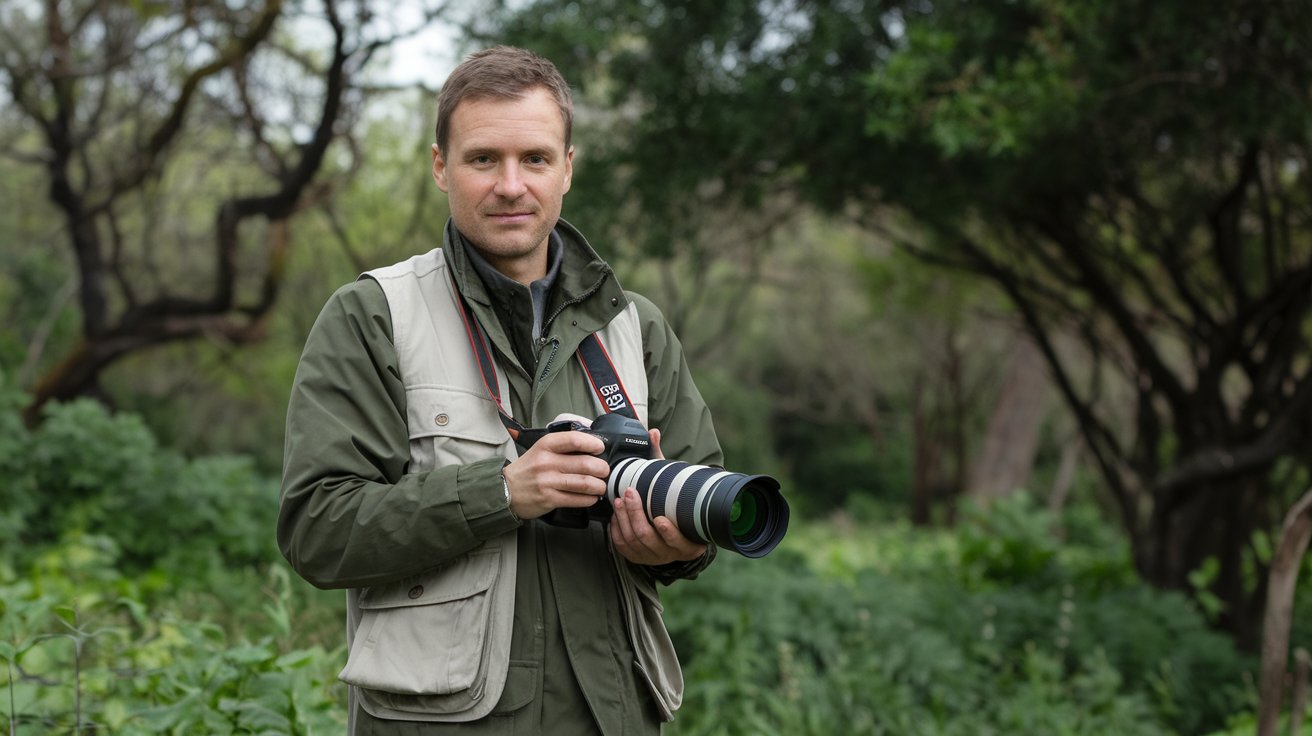
Professional wildlife photography begins with selecting appropriate gear that matches your skill level and budget. A quality DSLR or mirrorless camera paired with a telephoto lens forms the foundation of successful wildlife imaging. Canon’s EOS R5 and Nikon’s Z9 represent current industry standards for 2025, offering exceptional autofocus speed and image stabilization crucial for capturing moving subjects.
Understanding wildlife photography settings Canon users prefer includes Shutter Priority mode with speeds of 1/500s or faster for birds in flight, and 1/250s for stationary subjects. ISO performance has dramatically improved, allowing photographers to shoot at ISO 3200-6400 with minimal noise. Aperture settings between f/5.6 and f/8 provide optimal sharpness while maintaining reasonable depth of field for environmental context.
Camera Body Selection for Wildlife Photography
Modern wildlife photographers benefit from cameras featuring advanced autofocus systems with animal eye detection capabilities. The Canon EOS R6 Mark II and Sony A7R V excel in tracking fast-moving subjects across the frame. Full-frame sensors capture superior image quality in low-light conditions common during golden hour wildlife sessions. Crop sensor cameras like the Canon EOS 7D Mark II offer telephoto reach advantages, effectively multiplying lens focal length by 1.6x factor.
Telephoto Lens Recommendations and Techniques
Quality telephoto lenses ranging from 300mm to 600mm enable photographers to maintain safe distances while filling the frame with wildlife subjects. The Canon RF 100-500mm f/4.5-7.1L and Nikon Z 100-400mm f/4.5-5.6 VR S provide versatile focal ranges perfect for various wildlife photography scenarios. Image stabilization technology compensates for camera shake at slower shutter speeds, expanding shooting opportunities during overcast conditions.
Wildlife Photography Tips for Beginners Getting Started
Beginning wildlife photography tips for beginners emphasize patience, preparation, and practice over expensive equipment. Start by photographing accessible subjects like backyard birds, local park wildlife, or zoo animals to develop technical skills without the pressure of rare wildlife encounters. Understanding basic animal behavior patterns increases success rates significantly, as predictable movements allow photographers to anticipate perfect moments.
Smartphone users can achieve impressive results using nature photography tips with phone cameras equipped with telephoto capabilities. iPhone 15 Pro Max and Samsung Galaxy S24 Ultra feature advanced computational photography that enhances wildlife images through AI processing. External lens attachments and smartphone gimbals expand creative possibilities while maintaining portability advantages over traditional camera systems.
Building Wildlife Photography Skills Through Practice
Developing wildlife photography expertise requires consistent practice in diverse environments and lighting conditions. Local nature centers, wildlife refuges, and state parks provide excellent training grounds for honing technical skills. Practice manual focus techniques, experiment with different compositions, and study successful wildlife images to understand effective storytelling approaches that separate amateur snapshots from professional portfolio pieces.
Understanding Animal Behavior and Ethics
Successful wildlife photographers study animal behavior patterns, feeding schedules, and seasonal migrations to maximize encounter opportunities. Maintaining respectful distances prevents stress to wildlife while ensuring photographer safety. Following Leave No Trace principles and adhering to wildlife protection regulations demonstrates professional ethical wildlife photography practices that preserve natural habitats for future generations to enjoy and photograph.
Advanced Wildlife Photography Tips and Techniques
Professional wildlife photography tips and tricks involve mastering advanced techniques like back-button focus, custom function buttons, and rapid camera setting adjustments. Continuous autofocus modes with subject tracking ensure sharp images of moving animals across various backgrounds. Understanding exposure compensation helps maintain proper exposure when transitioning between bright and shadowed environments during extended photography sessions.
Composition techniques specific to wildlife include using natural frames, implementing rule of thirds with animal eye placement, and capturing environmental context that tells complete stories. Leading lines created by shorelines, fallen logs, or rock formations guide viewer attention toward main subjects while adding visual depth to wildlife photography compositions.
Mastering Exposure and Lighting Conditions
Golden hour lighting provides warm, soft illumination that enhances animal textures and creates appealing catchlights in subject eyes. Overcast conditions offer even lighting that eliminates harsh shadows while maintaining color saturation in bird plumage and mammal fur. Understanding exposure triangle relationships between aperture, shutter speed, and ISO enables creative control over depth of field and motion blur effects in various wildlife scenarios.
Focus Techniques and Autofocus Optimization
Modern cameras offer multiple autofocus modes specifically designed for wildlife subjects moving at different speeds and directions. Single-point autofocus provides precise control for stationary subjects, while zone autofocus tracks animals moving predictably within defined areas. Continuous autofocus with subject detection maintains sharp focus on moving wildlife subjects throughout burst shooting sequences, maximizing keeper rate percentages.
Top Wildlife Photography Locations in the United States
The United States offers diverse ecosystems supporting incredible wildlife photography opportunities across all seasons. Yellowstone National Park remains America’s premier wildlife destination, featuring iconic species including grizzly bears, wolves, elk, and bison against dramatic landscape backdrops. Peak wildlife activity occurs during spring calving season and autumn rutting periods when animals display natural behaviors.
Alaska’s Katmai National Park provides unparalleled brown bear photography experiences during salmon runs from June through September. Brooks Falls viewing platforms offer safe, predictable shooting positions for capturing fishing bears and dramatic waterfall compositions. Weather conditions can change rapidly, requiring waterproof gear and flexible shooting schedules.
Yellowstone National Park Wildlife Opportunities
Yellowstone’s Lamar and Hayden Valleys concentrate wildlife activity during early morning and evening hours when animals emerge to feed. Wolf packs, bear families, and massive elk herds create dynamic photography scenarios throughout changing seasons. Winter photography features snow-covered landscapes with wildlife adapted to harsh conditions, offering unique storytelling opportunities unavailable during warmer months.
Coastal and Marine Wildlife Photography Hotspots
California’s Monterey Peninsula combines marine mammals, seabirds, and dramatic coastal scenery in accessible locations. Point Reyes National Seashore features elephant seals during breeding season and diverse bird species year-round. Florida’s Everglades National Park offers unique opportunities for photographing wading birds, alligators, and endangered species in pristine wetland environments.
Planning and Research for Wildlife Photography Success
Successful wildlife photography planning begins with thorough research of target species, optimal shooting locations, and seasonal timing factors. Online resources including eBird, iNaturalist, and photography forums provide current wildlife sighting reports and behavioral information. Weather patterns, moon phases, and tide schedules significantly impact animal activity levels and photography opportunities.
Pre-visualization techniques help photographers anticipate compositions and technical requirements before arriving at shooting locations. Studying topographical maps, satellite imagery, and previous visitor photographs reveals optimal vantage points and potential challenges. Creating detailed shot lists and backup plans ensures productive sessions regardless of changing conditions or unexpected circumstances.
Post-Processing and Career Opportunities in Wildlife Photography
Professional wildlife photography extends beyond field capture to include skilled post-processing techniques that enhance natural beauty without compromising authenticity. Adobe Lightroom and Photoshop remain industry standards for RAW file processing, noise reduction, and selective adjustments. Understanding ethical editing boundaries maintains credibility within wildlife photography communities and potential commercial markets.
Wildlife photography salary potential varies significantly based on specialization, market positioning, and business development skills. Stock photography licensing, print sales, workshop instruction, and editorial assignments provide multiple revenue streams. Building strong online portfolios, social media presence, and professional networks opens opportunities with conservation organizations, outdoor publications, and eco-tourism companies seeking authentic wildlife imagery.
Related video about wildlife photography tips
This video complements the article information with a practical visual demonstration.
Your questions answered
What camera settings work best for wildlife photography?
Use Shutter Priority mode with speeds of 1/500s or faster for moving subjects, ISO 1600-6400 for low light conditions, and aperture f/5.6-f/8 for optimal lens sharpness. Enable continuous autofocus with animal eye detection, and shoot in RAW format for maximum post-processing flexibility. Back-button focus provides better control over focus tracking during extended wildlife encounters.
Can I take good wildlife photos with a smartphone?
Modern smartphones like iPhone 15 Pro Max and Samsung Galaxy S24 Ultra capture excellent wildlife images using telephoto lenses and computational photography. Use burst mode for moving subjects, tap to focus on animal eyes, and maintain steady grip or use smartphone gimbal for sharp results. External lens attachments extend zoom capabilities beyond built-in camera limitations.
What are the best locations for wildlife photography in the US?
Top US wildlife photography destinations include Yellowstone National Park for large mammals, Katmai National Park Alaska for brown bears, Everglades National Park for birds and reptiles, and Monterey Peninsula California for marine wildlife. Each location offers peak seasons and specific species opportunities requiring research and planning for optimal results.
How much money can wildlife photographers make?
Wildlife photography income ranges from $30,000-$100,000+ annually depending on specialization and business model. Revenue sources include stock photography licensing ($500-$5,000 per image), workshop instruction ($200-$500 per participant), print sales, and editorial assignments. Building diverse income streams and strong online presence increases earning potential significantly.
What equipment do I need to start wildlife photography?
Essential wildlife photography equipment includes a camera with good autofocus capabilities, telephoto lens 200-400mm minimum, sturdy tripod, and extra batteries. Budget-friendly options like Canon EOS Rebel series with 55-250mm lens provide excellent starting points. Invest in quality telephoto lens before upgrading camera body for best image quality improvements.
How do I approach wildlife safely while photographing?
Maintain safe distances using telephoto lenses rather than approaching animals closely. Follow park regulations and wildlife guidelines, never feed or harass subjects, and carry bear spray in appropriate habitats. Learn animal behavior signs indicating stress or aggression, and always prioritize wildlife welfare over getting photographs. Respect breeding areas and nesting sites during sensitive periods.
| Photography Aspect | Key Requirements | Success Benefit |
|---|---|---|
| Camera Equipment | Telephoto lens 300mm+, fast autofocus, image stabilization | Sharp images from safe distances |
| Technical Settings | Shutter priority 1/500s+, continuous AF, RAW format | Consistent exposure and focus accuracy |
| Field Preparation | Species research, location scouting, weather planning | Higher encounter success rates |
| Ethical Practices | Respectful distances, no harassment, habitat protection | Sustainable wildlife conservation |
| Post-Processing | Natural enhancement, noise reduction, authentic editing | Professional quality results |