Wildlife Conservation Society: Programs, Jobs & Impact 2025
The Wildlife Conservation Society stands as one of America’s premier conservation organizations, protecting wildlife and wild places worldwide since 1895. Operating the famous Bronx Zoo and three other New York wildlife parks, WCS combines cutting-edge science with on-ground conservation efforts across 60 countries, making it a legitimate and impactful force in global wildlife protection.
What is the Wildlife Conservation Society
The Wildlife Conservation Society is a nonprofit organization headquartered in the Bronx, New York, dedicated to saving wildlife and wild places through science, conservation action, education, and inspiring people to value nature. Founded in 1895, WCS manages four New York City wildlife parks including the world-famous Bronx Zoo, New York Aquarium, Central Park Zoo, and Prospect Park Zoo. The organization operates with an annual budget exceeding $250 million and employs over 4,000 staff members globally as of 2024.
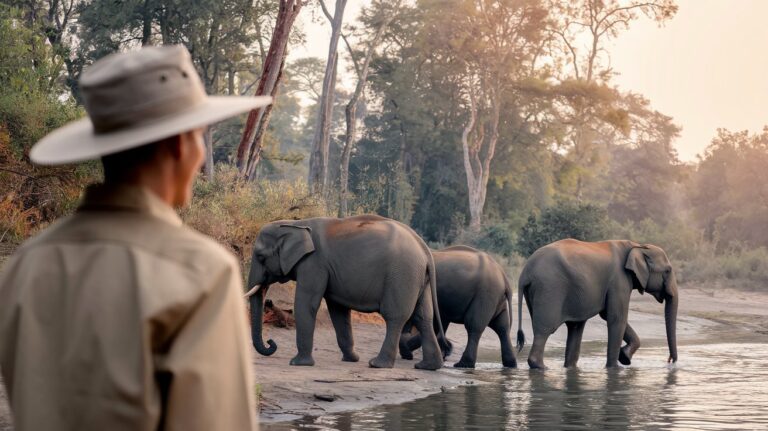
WCS runs field conservation programs in more than 60 countries, protecting over 200 million acres of critical habitat. The organization’s wildlife conservation efforts focus on saving endangered species including tigers, elephants, whales, and gorillas while addressing climate change impacts on biodiversity. Their scientific research contributes to peer-reviewed publications and informs conservation policy at local, national, and international levels.
Wildlife Conservation Society Programs and Impact
WCS operates comprehensive conservation programs spanning five key areas: protecting wildlife populations, preserving critical habitats, advancing conservation science, building local capacity, and inspiring conservation action. In 2024, the organization reported protecting over 15 million square kilometers of ocean and 4 million square kilometers of terrestrial habitat worldwide. Their flagship species programs focus on saving tigers in Asia, elephants in Africa, whales in global oceans, and great apes across tropical regions.
The Wildlife Conservation Society’s field programs employ over 1,500 local staff members in developing countries, generating significant economic impact in rural communities. Their conservation technology initiatives include advanced camera trapping, satellite monitoring, and DNA analysis techniques that revolutionize wildlife monitoring. WCS also operates the world’s largest urban zoo system, welcoming over 4 million visitors annually to their New York facilities.
Global Conservation Initiatives
WCS conservation initiatives span six continents with major programs in the Amazon Basin, Central African forests, and Southeast Asian archipelagos. The organization manages marine protected areas covering 1.2 million square miles of ocean, including critical whale migration corridors and coral reef ecosystems. Their climate adaptation programs help vulnerable species and ecosystems respond to changing environmental conditions through assisted migration and habitat restoration projects.
Scientific Research and Publications
The Wildlife Conservation Society’s scientists publish over 300 peer-reviewed research papers annually, contributing crucial data to conservation biology and ecology fields. Their research facilities include the Wildlife Health Program, which monitors disease transmission between wildlife, livestock, and humans. WCS operates field stations in 25 countries, conducting long-term ecological studies that inform adaptive management strategies for protected areas and wildlife populations.
Wildlife Conservation Society Jobs and Career Opportunities
Wildlife Conservation Society jobs span diverse fields including conservation biology, veterinary medicine, education, finance, and communications. The organization offers approximately 200 new positions annually across their New York headquarters, field stations, and zoo facilities. Entry-level positions start around $45,000 annually, while senior conservation scientists and program directors earn between $80,000-$150,000 depending on experience and location.
WCS career opportunities include field research positions, zoo keeper roles, education specialist positions, and conservation program management jobs. The organization prioritizes hiring local staff for international programs, with 85% of field positions filled by nationals from host countries. Remote work options expanded significantly in 2024, with over 30% of headquarters staff working in hybrid arrangements.
Wildlife Conservation Society Internships
Wildlife Conservation Society internships offer students and recent graduates hands-on experience in conservation work, zoo operations, and research projects. WCS provides approximately 150 internship positions annually across their facilities, including paid summer programs lasting 10-12 weeks. Internship programs cover animal care, conservation education, field research, and administrative support roles with stipends ranging from $3,000-$8,000 per summer session.
Remote Job Opportunities
Wildlife conservation society remote jobs expanded significantly post-2020, encompassing roles in data analysis, grant writing, communications, and project coordination. Remote positions typically require 2-5 years of relevant experience and offer competitive salaries with comprehensive benefits packages. The organization actively recruits for remote geographic information systems specialists, conservation policy analysts, and digital marketing coordinators to support their global operations.
Wildlife Conservation Society Membership and Support
Wildlife Conservation Society membership provides supporters with exclusive benefits while funding critical conservation work worldwide. Annual membership fees start at $50 for individuals and $85 for families, offering free admission to all four WCS parks plus discounts on programs and merchandise. Premium membership levels include behind-the-scenes tours, exclusive events, and direct updates from field conservation programs.
WCS membership revenue contributes approximately $15 million annually to conservation programs, representing 6% of the organization’s total budget. Members receive quarterly magazines, priority registration for educational programs, and invitations to scientist presentations. Corporate partnerships and major donor programs generate additional funding, with the organization maintaining a 4-star rating from Charity Navigator and an A+ rating from the American Institute of Philanthropy.
Bronx Zoo and WCS Facilities
The Bronx Zoo serves as WCS’s flagship facility, spanning 265 acres and housing over 6,000 animals representing 700 species. As one of America’s largest metropolitan zoos, it welcomes approximately 2.15 million visitors annually and operates year-round with seasonal programming. The zoo’s innovative exhibits include the Congo Gorilla Forest, Tiger Mountain, and World of Birds, featuring immersive habitats that prioritize animal welfare and visitor education.
WCS owns and operates the Bronx Zoo through a management agreement with New York City, maintaining full operational control while the city retains property ownership. The organization invested over $50 million in facility improvements between 2020-2024, including new veterinary facilities, updated animal habitats, and enhanced visitor amenities. Other WCS facilities include the New York Aquarium in Coney Island, Central Park Zoo in Manhattan, and Prospect Park Zoo in Brooklyn.
Zoo Operations and Animal Care
The Bronx Zoo’s animal care program employs over 300 zookeepers, veterinarians, and support staff maintaining the highest standards of animal welfare. The facility operates a state-of-the-art veterinary hospital, quarantine facilities, and specialized breeding programs for endangered species. WCS zoos participate in over 100 Species Survival Plan programs, contributing to genetic diversity and population management for threatened species worldwide.
Educational Programs and Outreach
WCS educational programs reach over 500,000 students annually through school visits, camp programs, and online learning resources. The organization’s education department develops curriculum materials aligned with national science standards, focusing on conservation biology and environmental stewardship. Their teacher professional development programs train over 2,000 educators annually in hands-on conservation education techniques.
Is Wildlife Conservation Society Legitimate
The Wildlife Conservation Society is legit and maintains excellent transparency and accountability ratings from major charity evaluation organizations. Charity Navigator awards WCS a 4-star rating based on financial health, accountability, and transparency metrics. The organization allocates 84% of expenses directly to programs and services, with only 16% going to fundraising and administrative costs, exceeding industry standards for nonprofit efficiency.
WCS holds accreditation from the Association of Zoos and Aquariums, Global Federation of Animal Sanctuaries, and American Alliance of Museums. The organization publishes detailed annual reports, financial statements, and impact assessments available on their website. WCS legitimacy is further validated by partnerships with major foundations including the Gordon and Betty Moore Foundation, Ford Foundation, and MacArthur Foundation, which have provided over $100 million in grants since 2020.
Wildlife Conservation Society Controversy and Challenges
WCS controversy primarily centers around historical indigenous rights issues and modern zoo ethics debates. Critics have raised concerns about the organization’s early 20th-century involvement in colonial conservation practices that displaced indigenous communities from traditional lands. In recent years, WCS has acknowledged these historical problems and implemented indigenous rights policies for all new conservation programs, requiring free, prior, and informed consent from local communities.
Animal rights activists occasionally protest WCS facilities, arguing that keeping wild animals in captivity contradicts conservation principles. However, WCS responds that their zoos serve as arks for endangered species, conduct crucial research, and inspire millions of visitors to support conservation efforts. The organization maintains that their breeding programs and species reintroduction efforts have prevented numerous extinctions and contributed significantly to global biodiversity preservation.
Wildlife Conservation Society Contact Information
The Wildlife Conservation Society address for their headquarters is 2300 Southern Boulevard, Bronx, NY 10460, located adjacent to the Bronx Zoo entrance. The main phone number is (718) 220-5100, with specialized departments available through their website contact forms. WCS maintains regional offices in over 25 countries, with major hubs in Nairobi, Kenya; Manaus, Brazil; and Jakarta, Indonesia.
The Wildlife Conservation Society logo features a stylized globe with wildlife silhouettes, symbolizing their global conservation mission. Official communication channels include their website, social media platforms with over 2 million combined followers, and monthly newsletters reaching 150,000 subscribers. For employment inquiries, the organization maintains a dedicated careers portal with current job listings and application instructions.
Related video about wildlife conservation society
This video complements the article information with a practical visual demonstration.
Everything you need to know about wildlife conservation society
Is Wildlife Conservation Society legit?
Yes, the Wildlife Conservation Society is completely legitimate with a 4-star Charity Navigator rating and AZA accreditation. WCS allocates 84% of expenses directly to conservation programs, maintains transparent financial reporting, and has operated for over 125 years with consistent conservation impact worldwide.
What does the Wildlife Conservation Society do?
WCS saves wildlife through field conservation programs in 60+ countries, operates four NYC wildlife parks including the Bronx Zoo, conducts scientific research, and educates millions annually. They protect over 200 million acres of habitat and work with endangered species including tigers, elephants, and whales.
What is the WCS controversy?
WCS faces criticism for historical colonial conservation practices that displaced indigenous communities and modern debates about zoo animal captivity. The organization has since implemented indigenous rights policies requiring community consent and emphasizes that their zoos prevent extinctions through breeding programs.
Who owns the Bronx Zoo now?
The Wildlife Conservation Society owns and operates the Bronx Zoo through a management agreement with New York City. While NYC retains property ownership, WCS maintains full operational control, funding, and programming authority over the 265-acre facility and its 6,000+ animals.
How can I get a job with Wildlife Conservation Society?
WCS offers approximately 200 new positions annually in conservation, zoo operations, education, and administration. Visit their careers portal for current openings, which range from entry-level ($45,000) to senior positions ($150,000+), including internships and remote opportunities.
What are Wildlife Conservation Society membership benefits?
WCS membership starting at $50 annually includes free admission to all four NYC wildlife parks, exclusive behind-the-scenes tours, quarterly magazines, priority program registration, and direct conservation program updates. Premium levels offer additional exclusive events and experiences.
| Key Aspect | Important Details | Benefit |
|---|---|---|
| Organization Status | 4-star Charity Navigator, 125+ years operation | Trusted, legitimate conservation leader |
| Global Impact | 60+ countries, 200M+ acres protected | Worldwide biodiversity preservation |
| Career Opportunities | 200+ annual positions, $45K-$150K+ salaries | Diverse conservation career paths |
| NYC Facilities | 4 parks, 4M+ annual visitors, Bronx Zoo flagship | World-class wildlife experiences |
| Membership Program | Starting $50/year, free park admission | Support conservation while saving money |