Critically Endangered Species 2025: Top 12 Animals at Risk
As of 2025, over 41,000 critically endangered species face imminent extinction according to the IUCN Red List. These animals represent the most urgent conservation priorities worldwide, with populations so small that immediate action is required to prevent their disappearance forever. Understanding which species are most at risk helps guide global conservation efforts and funding decisions.
What Are Critically Endangered Species
The critically endangered species classification represents the highest risk category before extinction in the wild. According to the International Union for Conservation of Nature (IUCN), species earn this designation when they face an extremely high risk of extinction in their natural habitat. The IUCN criteria include population size reductions of 90% over the last 10 years, extremely small population sizes under 50 mature individuals, or quantitative analysis showing extinction probability exceeding 50% within 10 years.
Currently, endangered animals across all risk categories number over 150,000 species globally. The United States alone hosts approximately 1,662 species listed under the Endangered Species Act as of 2024, with 408 classified as critically endangered. These numbers continue rising as habitat destruction, climate change, and human activities accelerate species decline rates worldwide.
Most Critically Endangered Species in 2025
The most critically endangered species face populations so small that each individual matters for species survival. Leading conservation organizations track these animals through advanced monitoring systems and genetic studies to understand their exact status and immediate needs.
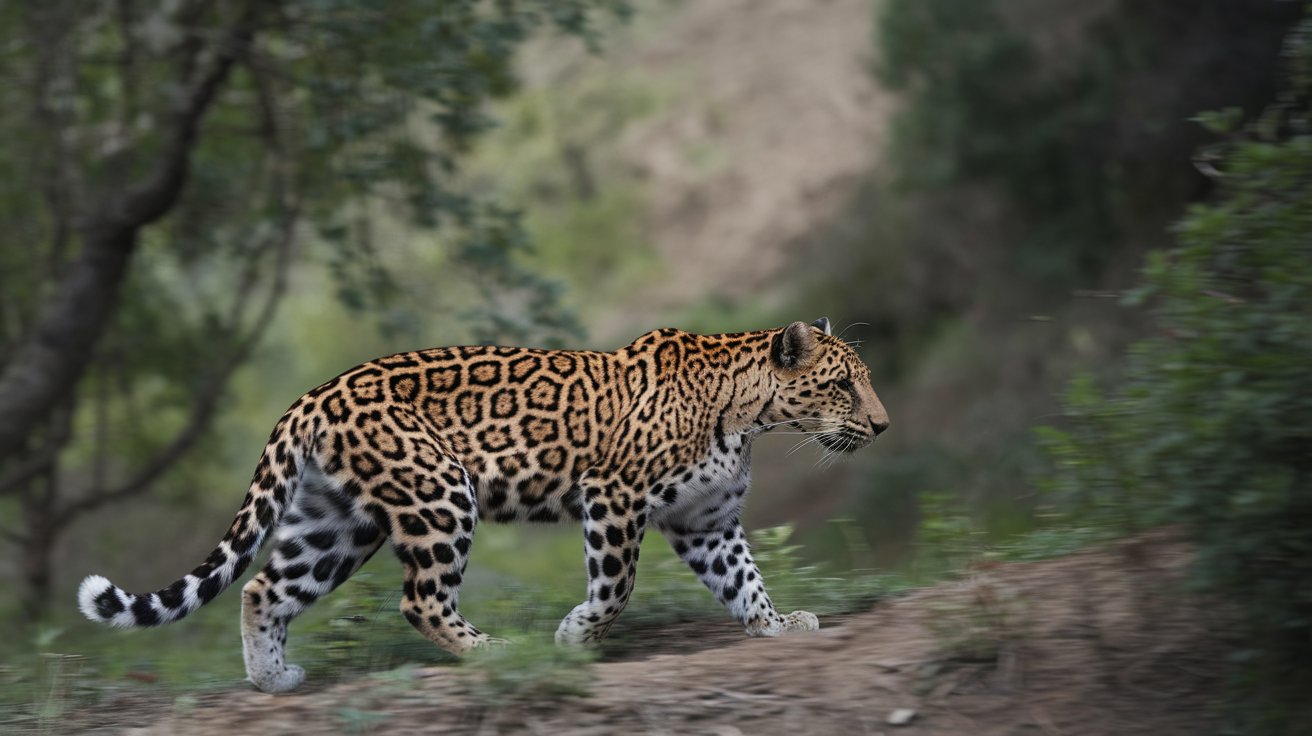
Amur Leopard – Only 200 Left
The Amur leopard represents one of the world’s rarest big cats, with approximately 200-250 individuals remaining in the wild as of 2025. These magnificent cats inhabit the temperate forests of eastern Russia and northeastern China, facing threats from habitat fragmentation, poaching for their distinctive spotted coats, and prey depletion. Recent camera trap studies show slight population increases due to intensive conservation efforts, including anti-poaching patrols and habitat corridor creation.
Vaquita Porpoise – Under 10 Remaining
The vaquita porpoise holds the unfortunate distinction of being the world’s most endangered marine mammal, with fewer than 10 individuals surviving in Mexico’s Gulf of California. This small cetacean faces extinction primarily from gillnet fishing, which accidentally captures and drowns these air-breathing mammals. Despite international efforts and fishing bans, illegal fishing continues threatening the last remaining vaquitas in 2025.
Top 10 Endangered Animals by Region
The top 10 endangered animals vary by geographic region, reflecting different threats and conservation challenges. Understanding regional patterns helps target conservation resources effectively and addresses specific local threats driving species toward extinction.
Asian Critically Endangered Species
Asia hosts several of the world’s most critically endangered species, including the Sunda tiger with approximately 400 individuals, the Bornean orangutan declining to under 104,000, and the Sumatran orangutan with roughly 14,000 remaining. The Yangtze finless porpoise represents China’s most endangered aquatic mammal, with around 1,000 individuals surviving in the Yangtze River system despite extensive conservation efforts.
African Conservation Priorities
Africa’s endangered animals include the black rhinoceros with approximately 6,195 individuals as of 2024, representing a remarkable recovery from near-extinction in the 1990s. The African forest elephant faces severe population decline, with recent surveys indicating fewer than 415,000 individuals remain. Mountain gorillas show conservation success stories, with populations reaching around 1,000 individuals across Rwanda, Uganda, and the Democratic Republic of Congo.
How Many Critically Endangered Species Exist
Current data indicates that how many critically endangered species exist worldwide reaches approximately 8,500 animal species according to the latest IUCN Red List assessments in 2024-2025. This number includes 1,223 mammal species, 1,492 bird species, 2,418 fish species, and thousands of invertebrates facing imminent extinction risk. The actual number likely exceeds these figures significantly, as many species remain scientifically undescribed or inadequately assessed.
In the United States, federal agencies track critically endangered species through comprehensive monitoring programs. The U.S. Fish and Wildlife Service oversees 408 critically endangered species domestically, while NOAA Fisheries manages marine species protection. State-level programs add hundreds more species to conservation watch lists, creating a comprehensive network for tracking America’s most vulnerable wildlife.
Primary Threats to Endangered Species
The leading threats to critically endangered species in 2025 include habitat destruction affecting 85% of listed species, climate change impacting 19% of species, overexploitation threatening 17% of species, and invasive species affecting 16% of threatened animals. These percentages often overlap, as most endangered species face multiple simultaneous threats that compound their extinction risk.
Habitat fragmentation particularly impacts large mammals and specialized species requiring extensive territories or specific environmental conditions. Endangered animals in the United States face additional pressures from urbanization, with suburban development eliminating crucial wildlife corridors and breeding grounds. Agricultural expansion continues converting natural habitats, while pollution degrades remaining wilderness areas.
Conservation Success Stories
Several critically endangered species demonstrate that intensive conservation efforts can reverse extinction trends. The California condor population grew from 27 individuals in 1987 to over 500 birds by 2024, including more than 300 flying free in California, Arizona, and Utah. The black-footed ferret recovered from 18 individuals to approximately 340 in the wild across eight western states.
Marine conservation successes include humpback whale populations recovering from severe depletion, with most populations removed from endangered species lists. The endangered animals recovery demonstrates how coordinated international efforts, habitat protection, and breeding programs can achieve remarkable results when adequately funded and implemented consistently over decades.
Technology in Species Conservation
Modern technology revolutionizes critically endangered species monitoring and protection efforts in 2025. Camera traps, satellite tracking, and environmental DNA sampling provide unprecedented insights into animal populations and behavior. Artificial intelligence analyzes thousands of wildlife photos automatically, identifying individual animals and tracking population trends in real-time.
Genetic rescue techniques help maintain genetic diversity in small populations of endangered animals. Cryopreservation of genetic material creates insurance populations for species facing imminent extinction. Advanced breeding programs use genetic analysis to optimize mating decisions, ensuring maximum genetic diversity in captive populations prepared for eventual wild release.
Climate Change Impact on Endangered Species
Climate change accelerates extinction risks for critically endangered species through habitat shifts, extreme weather events, and ecosystem disruption. Arctic species face particular challenges as ice habitats disappear, while mountain species encounter shrinking suitable elevation ranges. Coral reef ecosystems supporting numerous endangered marine species experience widespread bleaching and acidification.
Sea level rise threatens coastal endangered animals including nesting sea turtles and shorebirds. Changing precipitation patterns affect freshwater species, while shifting temperature zones force terrestrial animals to migrate to new areas often fragmented by human development. Species with limited mobility or specialized habitat requirements face the greatest climate-related extinction risks.
How to Help Protect Endangered Species
Individual actions significantly impact critically endangered species conservation when multiplied across millions of people. Supporting reputable conservation organizations financially enables field research, habitat protection, and anti-poaching efforts worldwide. Choosing sustainable products reduces demand for goods contributing to habitat destruction, particularly palm oil, timber, and seafood from unsustainable sources.
Citizen science programs allow ordinary people to contribute valuable data about endangered animals through wildlife observation apps and reporting systems. Reducing carbon footprints helps address climate change impacts on species survival. Political advocacy for strong environmental protection laws and international conservation agreements creates the policy framework necessary for large-scale species protection efforts.
Related video about critically endangered species
This video complements the article information with a practical visual demonstration.
Most asked questions about critically endangered species
What is the most critically endangered species in 2025?
The vaquita porpoise is considered the most critically endangered species, with fewer than 10 individuals remaining in Mexico’s Gulf of California. This small marine mammal faces extinction primarily from illegal fishing activities using gillnets that accidentally capture and drown these air-breathing cetaceans despite international protection efforts.
What animal has only two left in the world in 2025?
While no confirmed species has exactly two individuals remaining, the northern white rhinoceros functionally extinct with only two females (Najin and Fatu) surviving. Scientists are attempting to save the subspecies through advanced reproductive technologies and stored genetic material from deceased males, representing cutting-edge conservation science.
How many critically endangered species exist worldwide?
Approximately 8,500 animal species are classified as critically endangered according to the 2024-2025 IUCN Red List assessments. This includes over 1,200 mammals, 1,400 birds, 2,400 fish species, and thousands of invertebrates. The actual number is likely higher as many species remain scientifically undescribed or inadequately assessed.
What are the main threats to critically endangered species?
The primary threats include habitat destruction affecting 85% of endangered species, climate change impacting 19%, overexploitation threatening 17%, and invasive species affecting 16%. Most critically endangered species face multiple simultaneous threats, with habitat fragmentation and human development being the most widespread causes of population decline.
Can critically endangered species be saved from extinction?
Yes, many critically endangered species have recovered through intensive conservation efforts. Success stories include the California condor growing from 27 to over 500 individuals, black-footed ferrets recovering from 18 to 340 in the wild, and humpback whales being removed from endangered species lists after population recovery.
What defines a critically endangered species according to IUCN?
IUCN classifies species as critically endangered when they face extremely high extinction risk, including 90% population reduction over 10 years, fewer than 50 mature breeding individuals, restricted geographic range under 100 square kilometers, or quantitative analysis showing over 50% extinction probability within 10 years or three generations.
| Conservation Status | Population Numbers | Primary Action Needed |
|---|---|---|
| Vaquita Porpoise | Under 10 individuals | Eliminate illegal fishing |
| Amur Leopard | 200-250 individuals | Habitat corridor protection |
| Black Rhinoceros | 6,195 individuals | Anti-poaching enforcement |
| Mountain Gorilla | 1,000 individuals | Habitat preservation |