Best Bird Feeders with Cameras 2025 | Smart Outdoor Feeders
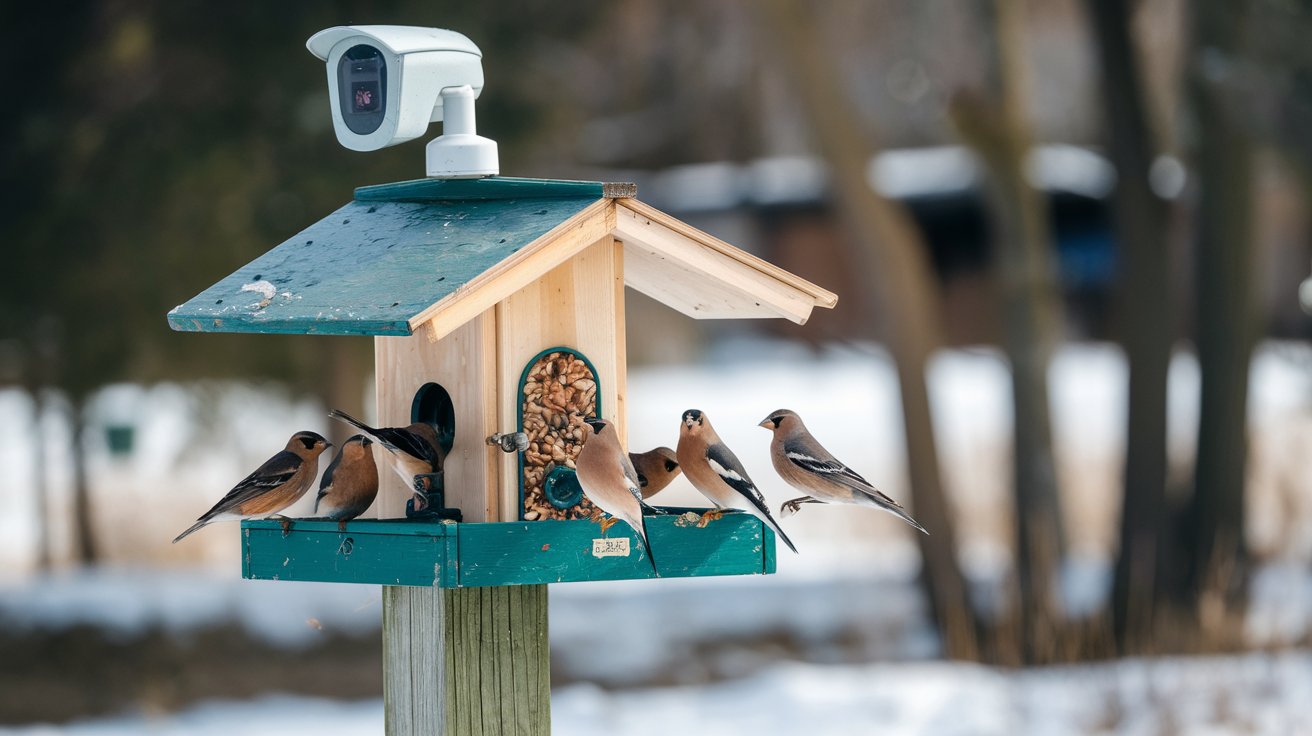
Bird feeders with cameras revolutionize backyard birdwatching by combining feeding stations with high-definition video recording capabilities. These innovative devices capture stunning footage of visiting birds while providing detailed species identification and behavioral insights. Smart outdoor bird feeders feature solar power, motion detection, and AI-powered bird recognition to enhance your wildlife observation experience.
Top Bird Feeders with Cameras for 2025
The best bird feeder cameras combine advanced technology with weatherproof design to deliver exceptional outdoor performance. Leading models feature 4K video recording, real-time notifications, and comprehensive species databases covering over 1,000 North American bird species. These smart devices integrate seamlessly with mobile apps, enabling remote monitoring and instant alerts when birds visit your feeder.
Premium outdoor bird feeders with cameras offer superior build quality with UV-resistant materials and IP65 weatherproofing ratings. Solar-powered options eliminate battery replacement concerns while providing continuous operation throughout varying weather conditions. Professional-grade models include advanced features like dual-camera systems, night vision capabilities, and expandable storage options for extended recording periods.
Birdfy Smart Bird Feeder Camera Systems
Birdfy represents the premium tier of smart bird feeders with their bamboo and plastic model variations. The Birdfy Bamboo Smart Bird Feeder combines sustainable materials with cutting-edge technology, featuring 1080p HD recording and AI-powered bird identification. This eco-friendly option appeals to environmentally conscious bird enthusiasts while maintaining professional-grade video quality and species recognition accuracy rates exceeding 95 percent.
Bird Buddy Camera Feeder Features
Bird Buddy has established itself as a leader in the smart bird feeder market with their innovative subscription-free model. Unlike competitors requiring monthly fees, Bird Buddy provides full functionality without ongoing costs, making it an attractive long-term investment. The device captures professional-quality images and videos while maintaining a comprehensive species database updated regularly through free software upgrades.
Solar Powered Bird Feeder Cameras
Solar-powered bird feeders with cameras represent the most sustainable and maintenance-free option for outdoor wildlife monitoring. These systems feature high-efficiency solar panels that maintain battery levels even during limited sunlight conditions. Advanced power management ensures continuous operation for up to seven days without direct sunlight, making them reliable choices for year-round birdwatching across all United States climate zones.
The Pro Smart Solar Hummingbird Feeder specifically targets nectar-feeding species with specialized design elements. This model incorporates red accents and flower-shaped feeding ports to attract hummingbirds while maintaining professional-grade recording capabilities. Solar charging systems eliminate the need for frequent battery replacements while reducing environmental impact through renewable energy utilization.
Cost Analysis and Monthly Fee Considerations
Many potential buyers wonder about ongoing costs associated with bird feeder cameras, particularly regarding monthly subscription requirements. Leading brands like Bird Buddy operate without mandatory monthly fees, providing full access to species identification, video storage, and mobile app functionality. This approach contrasts significantly with security camera systems that often require expensive cloud storage subscriptions.
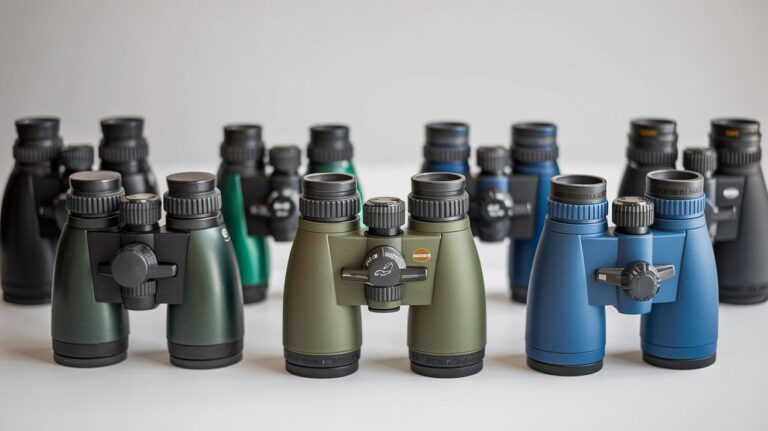
Initial investment costs for quality smart bird feeders typically range from 150 to 400 dollars, depending on features and build quality. Premium models with 4K recording capabilities and advanced weatherproofing command higher prices but deliver superior longevity and performance. When compared to traditional birdwatching equipment like binoculars and field guides, camera feeders provide exceptional value through automated monitoring and educational content generation.
Value Comparison with Traditional Birdwatching
Smart bird feeders with cameras offer compelling advantages over traditional birdwatching methods through automated species identification and continuous monitoring capabilities. These devices capture behavior patterns and feeding habits that would require hundreds of hours of manual observation to document thoroughly. The educational value extends beyond individual use, with many families using recorded content for homeschooling nature studies and wildlife education programs.
Long-term Investment Benefits
Quality outdoor bird feeders with cameras provide years of reliable service when properly maintained, making them cost-effective compared to recurring expenses associated with traditional birdwatching activities. Professional models withstand extreme weather conditions and continue functioning through temperature ranges from minus 20 to 120 degrees Fahrenheit. This durability ensures consistent performance across diverse United States climate zones from Alaska to Florida.
Optimal Placement and Setup Guidelines
Proper placement significantly impacts the effectiveness of bird feeder cameras in attracting diverse species and capturing high-quality footage. Optimal positioning requires careful consideration of sunlight exposure, wind protection, and predator deterrence factors. Professional installation guidelines recommend mounting feeders between six and eight feet from ground level while ensuring clear flight paths from multiple directions.
The 5-7-9 rule provides essential guidance for smart bird feeder placement, referring to optimal distances and heights for maximum bird attraction. This principle suggests positioning feeders five feet from dense cover, seven feet from potential predator hiding spots, and nine feet from windows to prevent collision injuries. Following these guidelines increases bird visitation rates while ensuring their safety and comfort around feeding stations.
Advanced Features and Technology Integration
Modern bird feeders with cameras incorporate sophisticated technology including artificial intelligence, motion sensors, and weather monitoring capabilities. Advanced models feature dual-camera systems with wide-angle and telephoto lenses for comprehensive coverage and detailed close-up shots. Night vision functionality extends monitoring capabilities into twilight hours when many species exhibit unique feeding behaviors.
Integration with smart home systems enables voice control through Amazon Alexa and Google Assistant platforms. These smart bird feeders can automatically adjust notification settings, share interesting captures on social media, and coordinate with other outdoor monitoring devices. Professional-grade models support multiple user access levels, making them suitable for educational institutions and research applications requiring collaborative observation capabilities.
AI-Powered Species Recognition
Cutting-edge bird feeder cameras utilize machine learning algorithms trained on millions of bird images to provide accurate species identification. These systems recognize over 1,000 North American bird species with confidence levels exceeding 95 percent accuracy. Real-time identification enables instant notifications when rare or targeted species visit feeding stations, creating opportunities for immediate observation and photography.
Weather Monitoring and Environmental Data
Premium smart bird feeders include environmental sensors that monitor temperature, humidity, and barometric pressure changes. This data correlates with bird behavior patterns, providing insights into feeding preferences during different weather conditions. Integrated weather monitoring helps predict peak activity periods and optimizes food replenishment schedules for maximum bird attraction and camera capture opportunities.
Maintenance and Troubleshooting Guide
Regular maintenance ensures optimal performance and longevity of outdoor bird feeders with cameras throughout diverse weather conditions. Weekly cleaning schedules prevent seed spoilage and maintain hygiene standards that protect bird health. Professional maintenance protocols include lens cleaning, seed compartment sanitization, and weather seal inspection to prevent moisture infiltration and equipment damage.
Common troubleshooting issues with bird feeder cameras include connectivity problems, battery drain, and image quality degradation. Most technical issues resolve through simple procedures like device resets, app updates, or solar panel cleaning. Manufacturer support systems provide comprehensive guides and video tutorials addressing specific model requirements and regional climate considerations affecting device performance.
Attracting Specific Bird Species
Different smart bird feeder designs and seed types attract varying species, enabling targeted birdwatching experiences. Specialized feeders for cardinals, finches, and woodpeckers incorporate species-specific features like perch designs, feeding port sizes, and protective covers. Understanding regional bird populations helps select appropriate models and food combinations for maximum species diversity and camera capture opportunities.
The strategic use of coffee grounds around bird feeders with cameras serves multiple purposes including pest deterrence and soil enrichment. Coffee grounds repel ants and other insects while providing organic nutrients that benefit surrounding vegetation. This natural approach creates more attractive environments for ground-foraging species like thrushes and sparrows while maintaining chemical-free feeding areas safe for all wildlife visitors.
Related video about bird feeders with cameras
This video complements the article information with a practical visual demonstration.
Questions & Answers
Are bird feeders with cameras worth the investment?
Bird feeders with cameras provide exceptional value through automated wildlife monitoring, species identification, and educational content generation. These devices capture behavior patterns requiring hundreds of manual observation hours while operating continuously without monthly fees. Quality models deliver years of reliable service, making them cost-effective investments for serious birdwatchers and families seeking nature education opportunities.
Do you have to pay monthly fees for Bird Buddy feeders?
Bird Buddy operates without mandatory monthly subscription fees, providing full access to species identification, video storage, and mobile app functionality. This subscription-free model contrasts with many competing smart devices requiring ongoing payments for cloud storage and premium features. Users receive complete functionality through the initial purchase price without recurring costs.
What is the 5-7-9 rule for bird feeder placement?
The 5-7-9 rule guides optimal bird feeder positioning for maximum safety and attraction. Place feeders five feet from dense cover for quick escape routes, seven feet from potential predator hiding spots for safety, and nine feet from windows to prevent collision injuries. This placement strategy increases bird visitation rates while ensuring their protection around feeding stations.
Why should you sprinkle coffee grounds around bird feeders?
Coffee grounds around bird feeders serve as natural pest deterrents while enriching surrounding soil with organic nutrients. Used grounds repel ants, slugs, and other insects without harmful chemicals, creating cleaner feeding environments. Additionally, coffee grounds benefit plants near feeding stations, creating more attractive landscapes that appeal to diverse bird species including ground-foraging varieties.
Which bird feeder cameras work best in harsh weather?
Premium outdoor bird feeder cameras with IP65 weatherproofing ratings withstand extreme conditions from minus 20 to 120 degrees Fahrenheit. Models featuring UV-resistant materials and reinforced mounting systems perform reliably across diverse United States climate zones. Solar-powered options with advanced power management maintain operation during extended periods without direct sunlight, ensuring continuous monitoring capabilities.
How do smart bird feeders identify different species accurately?
Smart bird feeders utilize artificial intelligence algorithms trained on millions of bird images to achieve species identification accuracy rates exceeding 95 percent. These systems recognize over 1,000 North American bird species through advanced pattern recognition and machine learning capabilities. Real-time processing enables instant notifications and automated cataloging of visiting species with detailed behavioral observations and timestamp data.
| Key Feature | Technical Specifications | User Benefits |
|---|---|---|
| AI Species Recognition | 1000+ species database, 95% accuracy | Instant identification and learning |
| Solar Power System | 7-day backup, weather resistant | Maintenance-free operation |
| HD Video Recording | 1080p-4K resolution, night vision | Professional wildlife footage |
| Weather Protection | IP65 rating, -20°F to 120°F | Year-round reliability |
| No Monthly Fees | Complete functionality included | Long-term cost savings |