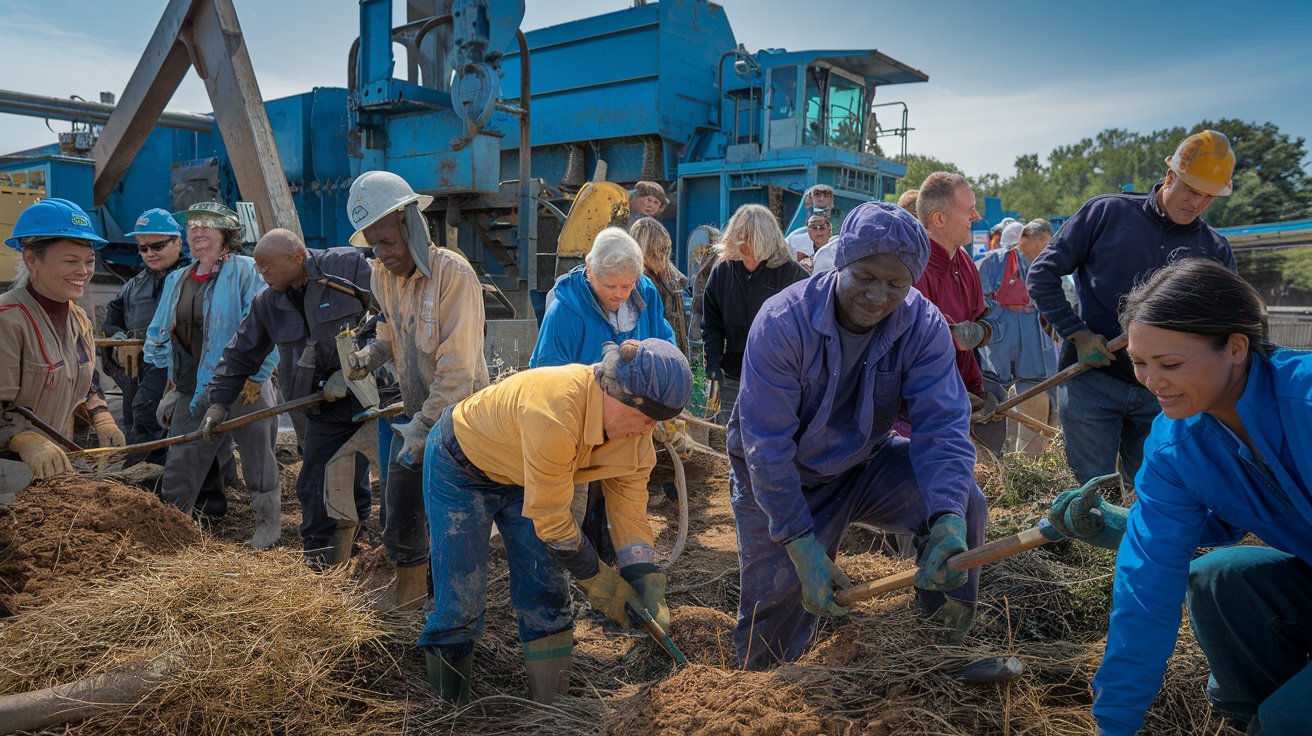
Natural Resources Definition: Complete Guide to Types & Uses
Natural resources are materials and substances that occur naturally in the environment and can be used for economic production or consumption. These include everything from water, air, and soil to minerals, forests, and fossil fuels. Understanding the natural resources definition is crucial as these materials form the foundation of human civilization and economic development.
What Are Natural Resources?
The natural resources definition encompasses all materials, energy sources, and environmental features that exist in nature without human intervention. These resources are essential for human survival and economic activities. In the United States, natural resources contribute approximately $2.3 trillion to the annual GDP as of 2024, highlighting their tremendous economic significance.
Natural resources include both living and non-living components of our environment. Living resources, also called biotic resources, include forests, wildlife, and marine ecosystems. Non-living resources, or abiotic resources, encompass minerals, fossil fuels, water bodies, and atmospheric gases. The geography definition of natural resources emphasizes their spatial distribution and availability across different regions.
Types of Natural Resources
Understanding the different types of natural resources helps classify them based on various characteristics such as renewability, origin, and development stage. This classification system is fundamental to resource management and sustainable development policies in the United States.
Renewable Natural Resources
Renewable resources are natural resources that can replenish themselves over time through natural processes. These include solar energy, wind power, hydroelectric energy, forests, and wildlife populations. The United States generated 21% of its electricity from renewable sources in 2024, demonstrating the growing importance of these sustainable natural resources. Examples include timber that regrows, fish populations that reproduce, and freshwater that cycles through the hydrological system.
Non-Renewable Natural Resources
Non-renewable resources are finite natural resources that cannot be replaced once consumed within human timescales. These primarily include fossil fuels like coal, oil, and natural gas, as well as minerals and metals. The United States holds approximately 36.7 billion barrels of proven oil reserves and 473.6 trillion cubic feet of natural gas reserves as of 2024, making these critical non-renewable resources for the national economy.
Natural Resources Definition in Different Fields
The natural resources definition varies across academic disciplines and professional fields, each emphasizing different aspects based on their specific focus and applications.
Natural Resources Definition in Geography
In geography, the natural resources definition geography focuses on the spatial distribution, accessibility, and environmental context of resources. Geographers study how natural resources are distributed across landscapes, their relationship with climate and topography, and their impact on human settlement patterns. This perspective emphasizes the location-based characteristics of resources and their influence on regional development.
Natural Resources Definition in Biology
The natural resources definition biology emphasizes the ecological functions and biological processes that create and maintain resources. Biologists focus on living resources, ecosystem services, and the complex relationships between organisms and their environment. This definition includes biodiversity as a natural resource and considers the genetic, species, and ecosystem levels of biological resources.
Natural Resources Definition in Economics
Economics defines natural resources as factors of production provided by nature that contribute to economic output. The natural resources definition economics perspective focuses on resource valuation, extraction costs, market dynamics, and economic efficiency. Economists analyze resource scarcity, pricing mechanisms, and the role of natural capital in sustainable economic development.
Examples of Natural Resources
Common natural resources examples found in the United States include vast forests covering 766 million acres, extensive mineral deposits, fertile agricultural soils, and abundant freshwater supplies. The country possesses significant coal reserves, particularly in Wyoming and West Virginia, along with substantial oil and natural gas deposits in Texas, North Dakota, and Alaska.
Other important examples include renewable energy resources such as solar radiation, wind patterns, and hydroelectric potential from major river systems like the Colorado and Mississippi. Marine resources along the extensive coastlines provide fish, shellfish, and other seafood. Additionally, the United States has substantial reserves of metals including copper, gold, iron ore, and rare earth elements essential for modern technology.
Importance of Natural Resources
The importance of natural resources extends far beyond their economic value, encompassing environmental, social, and cultural dimensions. Natural resources provide essential ecosystem services worth an estimated $125 trillion globally, with the United States benefiting from approximately $15 trillion in ecosystem services annually as of 2024.
These resources support human health by providing clean air, water filtration, climate regulation, and food production systems. They also serve as the foundation for numerous industries including agriculture, manufacturing, energy production, and tourism. The strategic importance of natural resources influences national security policies, international trade relationships, and geopolitical dynamics.
Uses of Natural Resources
The uses of natural resources span virtually every aspect of human activity and modern society. In the United States, natural resources support multiple sectors simultaneously, creating complex interdependencies in the national economy.
Energy Production and Consumption
Natural resources provide primary energy sources for electricity generation, transportation, and heating systems. Fossil fuels supply approximately 79% of U.S. energy consumption in 2024, while renewable resources contribute the remaining 21%. Coal, natural gas, and petroleum serve as major energy sources, while solar, wind, and hydroelectric resources represent growing alternatives for sustainable energy production.
Manufacturing and Industrial Applications
Industrial sectors utilize raw natural resources as inputs for manufacturing processes. Metal ores become steel, aluminum, and copper products used in construction and technology. Timber resources supply the lumber, paper, and pulp industries. Petroleum serves as feedstock for plastics, chemicals, and synthetic materials. These applications demonstrate how natural resources support industrial production throughout the supply chain.
Natural Resources Definition for Kids
The natural resources definition for kids can be simplified as gifts from nature that people use to live and create things they need. These include the water we drink, the air we breathe, the trees that give us wood for houses, and the soil where we grow food. A natural resources definition simple explanation helps children understand that these are materials that come from the Earth naturally, without people making them.
Children can easily identify natural resources examples in their daily lives, such as the cotton in their clothes, the metal in their bicycles, the petroleum in plastic toys, and the wind that powers some electricity. Teaching kids about natural resources helps them understand the connection between nature and the products they use every day, fostering environmental awareness and responsible resource use from an early age.
How Humans Depend on Natural Resources
Human civilization fundamentally depends on natural resources for survival and development. Every aspect of modern life relies on materials and energy derived from nature. The average American consumes approximately 2,000 pounds of natural resources daily, including water, food, minerals, and energy sources, highlighting the extent of this dependence.
This dependency creates both opportunities and challenges for sustainable development. While natural resources enable technological advancement, economic growth, and improved living standards, overconsumption and poor management can lead to resource depletion and environmental degradation. Understanding this relationship is crucial for developing policies that balance human needs with environmental conservation.
Characteristics of Natural Resources
Natural resources possess several key characteristics that influence their availability, extraction, and use. These characteristics include renewability, accessibility, quality, quantity, and economic viability. Understanding these features helps in resource planning, conservation strategies, and sustainable management practices.
Important characteristics include geographic distribution, which affects transportation costs and accessibility; resource quality, which determines processing requirements and end-use applications; and regeneration rates for renewable resources. Additionally, natural resources characteristics encompass environmental impacts of extraction, social implications for local communities, and technological requirements for development and utilization.
Related video about natural resources definition
This video complements the article information with a practical visual demonstration.
Important things to know about natural resources definition
What is the meaning of natural resources?
Natural resources are materials, energy sources, and environmental features that occur naturally without human intervention. They include everything from water, air, and minerals to forests, fossil fuels, and wildlife. These resources serve as the foundation for human survival, economic activities, and industrial production.
What are the 4 types of natural resources?
The four main types are renewable resources (solar, wind, forests), non-renewable resources (fossil fuels, minerals), biotic resources (living organisms, ecosystems), and abiotic resources (water, air, rocks). This classification helps understand resource sustainability and management strategies.
Which is the best definition of natural resources?
The best definition describes natural resources as naturally occurring materials and energy sources that can be used for economic production or consumption. This includes both renewable resources that replenish naturally and non-renewable resources that are finite in supply.
What are natural resources for kids?
For children, natural resources are gifts from nature that people use daily. Examples include water for drinking, trees for building houses, soil for growing food, and oil for making plastic toys. These are materials that come from Earth naturally without people creating them.
How do humans depend on natural resources?
Humans depend on natural resources for basic survival needs like air, water, and food, as well as for shelter, energy, transportation, and manufacturing. The average American uses about 2,000 pounds of natural resources daily, demonstrating our complete reliance on these materials.
What are the uses of natural resources?
Natural resources are used for energy production (oil, gas, solar, wind), manufacturing (metals, timber), agriculture (soil, water), construction (stone, sand), and technology (rare earth elements). They support virtually every economic sector and daily human activity.
| Resource Category | Key Examples | Primary Benefits |
|---|---|---|
| Renewable Resources | Solar, wind, forests, water | Sustainable energy, climate stability |
| Non-Renewable Resources | Oil, coal, minerals, metals | Economic value, industrial production |
| Biotic Resources | Forests, wildlife, marine life | Ecosystem services, biodiversity |
| Abiotic Resources | Water, air, soil, rocks | Life support, agriculture, construction |